Health Conditions | Nemours Blog | Pediatric News and Guidance From Our Experts

ARTICLES RELATED TO:
Health Conditions

Student seated at a classroom desk working in a notebook during class.

ADHD Signs in Kids: What to Look For and What Comes Next

An estimated 7 million children in the United States have an ADHD diagnosis, according to the latest data collected in 2024 from HRSA’s National Survey of Children’s Health and reported by the Centers for Disease Control and Prevention (CDC). If your child has been referred for an ADHD evaluation — or you’ve wondered whether some of their behaviors might be explained by ADHD — you probably have questions. This guide walks parents through what ADHD is, how it’s diagnosed, what treatment options look like, and how pediatricians, families, and schools can work together to support your child. What is ADHD?    ADHD stands for attention-deficit / hyperactivity disorder. ADHD affects how the brain manages attention, impulse control, and activity level. ADHD symptoms usually appear in early childhood (before age 12), though they may be recognized much later, especially in bright or quiet kids who learn to mask their struggles with attention, self-control, […]

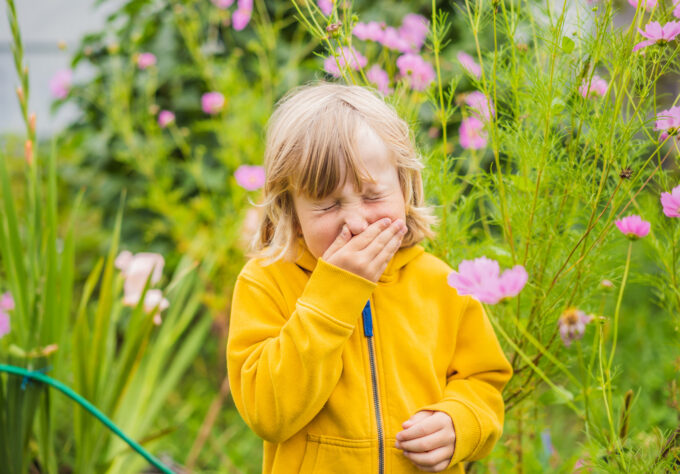
Child sneezing while standing among flowering plants outdoors during fall allergy season.

Helping Your Child Through Fall Allergy Season

Fall 2026 is shaping up to be a tough allergy season. Warmer temperatures and a later first frost are giving ragweed and other weeds a longer window to grow and release pollen, while damp autumn conditions and fallen leaves keep mold spores in the air. With weed pollen arriving right on schedule in August and counts predicted to spike through September and October, parents need to plan ahead to minimize seasonal allergy suffering. By taking action before the pollen hits, your child can enjoy autumn’s colors instead of its allergens. The best way to care for allergies in kids is to track what’s happening outside, get ready for pollen season inside, and see the doctor (if needed) to manage allergies early. Can you get allergies in the fall? Yes. Seasonal allergies — also called “hay fever” — can flare up any time of year, but fall has its own set […]

Medical professional using a brain model to explain brain anatomy to a child and caregiver during an office visit.

Understanding a Chiari Malformation Diagnosis

A Chiari malformation is a condition in which the lower part of the brain — called the cerebellum — extends into the spinal canal, where it doesn’t belong. Chiari (kee-AH-ree) malformations are more common than previously known, affecting approximately 1 in every 1,000 people. Due to advances in MRI technology, they’re being identified more frequently and earlier than ever. Here’s what families should know. What is Chiari malformation?  Chiari malformations are congenital (present at birth) in nearly all cases. The issue typically develops while a fetus is growing but, depending on the Chiari type, a person may not experience symptoms until later in childhood, adulthood, or possibly never. The condition is named for German pathologist Professor Hans Chiari, who described it in the 1890s and established the Chiari Types I through IV classification still used today. One important distinction is that Chiari Type II (Arnold-Chiari malformation) is always associated with […]

Adult sitting with a child on a couch, offering comfort and support at home

Navigating Pediatric Lupus: Essential Resources, Support, and Tips

A diagnosis of childhood lupus can feel overwhelming at first, for both children and the people who love and care for them. Because lupus can affect many parts of the body, and its symptoms may change over time, families often find themselves learning to navigate not only medical care, but also school, emotions, daily routines, and long-term uncertainty. The good news is that families do not have to face this journey alone. Whether you’re managing lupus symptoms, seeking lupus treatment, or still early in your child’s diagnosis and simply trying to understand what it means going forward, you need guidance. Along with support from their medical team, there are many organizations and communities that can offer practical help, trustworthy information, and meaningful connection. Connect With Support Groups Living with lupus can sometimes feel lonely, but families should know they are not alone. There’s a strong lupus community with many opportunities […]

Mother and daughter sit together on a bed holding hands as they have a supportive conversation.

PCOS Is Now Called PMOS: What You Need to Know

Parents with teen daughters often describe the same experience: their daughter receives a diagnosis of polycystic ovary syndrome (PCOS), and suddenly a constellation of symptoms — irregular periods, persistent acne, unexpected weight changes — finally has a name. There’s relief in that moment, but still some confusion. And now, you may start hearing a new name: polyendocrine metabolic ovarian syndrome (PMOS). This new name is far more than a simple rebranding, however. It signals a profound evolution in how clinicians understand what’s actually happening in the bodies of millions of girls and women living with this condition. For parents especially, the new name can help make sense of symptoms that may have felt disconnected from one another. Whether your daughter has already received a PCOS diagnosis or you’re still searching for answers, here’s what this change means, and what you need to know. Why is PCOS now called PMOS? For […]

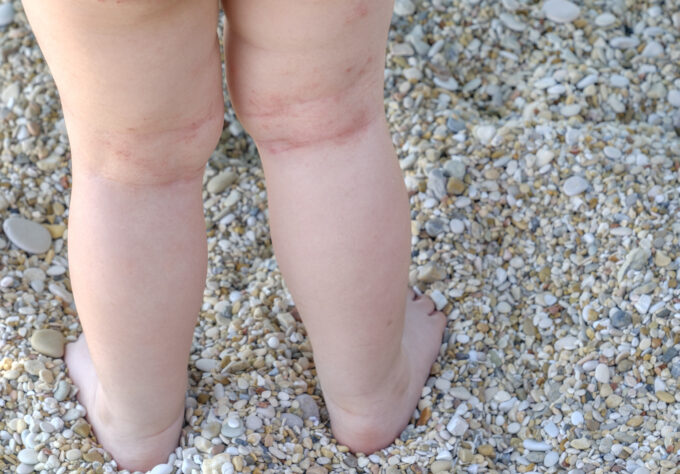
Eczema rash on the back of baby's knees

Eczema in Kids: A Parent’s Guide to Symptoms, Triggers, and Care

Eczema (EG-zeh-muh), also known as atopic dermatitis, is a common skin condition that affects babies and young children, often improving naturally as children grow. However, it can sometimes persist into adolescence and adulthood. Eczema symptoms typically begin before a child reaches 1 year old, and up to 25% of children are affected. For parents, eczema often shows up as dry, itchy, or irritated skin that can be uncomfortable — and sometimes frustrating — to manage. The good news is that with the right care, most children’s symptoms can be well controlled. The American Academy of Pediatrics (AAP) released updated guidance for managing eczema in 2025, emphasizing proactive care, mental health impacts, and emerging therapies. Below, we answer common questions parents have about caring for a child with eczema and what these new recommendations mean for families. What causes eczema in children? Atopic dermatitis, also known as eczema, is a chronic, […]

Happy little girl blowing pollen from a flower outside in spring.

Spring Allergy Season Is Starting Early

Spring 2026 is shaping up to be a tough allergy season based on January and February’s roller coaster temperature shifts from early warmth to sudden cold snaps, which set the stage for intense pollen production in some areas. And with tree pollen arriving weeks ahead of schedule and pollen counts predicted to spike rapidly across the East Coast, parents need to plan ahead to minimize seasonal allergy suffering. The good news? You don’t have to wait for the sniffles and sneezes to start. The best way to care for allergies in kids is to track what’s happening outside, get ready for pollen season inside, and see the doctor (if needed) to manage allergies early. By taking action before the pollen bomb hits in March and April, you can help your children breathe easier and enjoy spring the way it’s meant to be enjoyed. When is spring allergy season? In the […]

pregnant women holding stomach with either morning sickness or hyperemesis gravidarum

Morning Sickness vs. Hyperemesis: Guidance for Expecting Moms

Pregnancy nausea is a common symptom and it’s usually called morning sickness. But when is it something more serious? An “hg pregnancy” refers to hyperemesis gravidarum, a pregnancy complication characterized by severe nausea, vomiting, and dehydration. This condition is more intense than typical morning sickness. The difference between morning sickness and hyperemesis gravidarum (often just called “hyperemesis”) mainly comes down to severity and impact, but it can have an impact — on both mother and baby. It’s rare, but your doctor can help. What is morning sickness? Morning sickness is extremely common in that it affects up to 70–80% of pregnancies. It usually starts at around 4–6 weeks and eases by about 12–14 weeks. The symptoms are mild to moderate nausea, sometimes with occasional vomiting. It may be uncomfortable, but most people can still eat, drink, and maintain hydration. Most expectant parents treat it at home with diet adjustments (small […]

Little boy with food allergies is admiring cakes and other sweets on the showcase in cafe or supermarket.

Life with Food Allergies: How to Adapt as Your Child Grows

You’ve just taken your 6-month-old baby to the pediatrician, and they recommended you start to introduce common allergenic (something that has the potential to trigger an allergic reaction) foods like dairy, eggs, and peanuts. But what if your baby has a reaction? What does life look like with food allergies? Food Allergies in Babies and Toddlers My brother was diagnosed with an egg allergy when he was about a year old after taking a bite of my dad’s breakfast sandwich. This triggered a series of testing that eventually led him to be diagnosed with allergies to peanuts and cottonseed oil as well. Sometimes kids will grow out of their food allergies, but others will have them for life. At the time of a new diagnosis, it is really hard to predict whether or not your child will grow out of the allergy. The priority at this time is keeping them […]

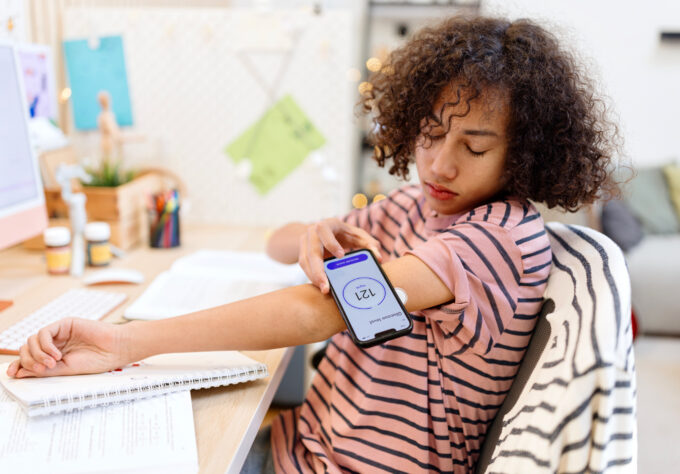
Teenager with type 1 diabetes using an app to check his sugar level at home while working on homework

Managing Depression in Children with Type 1 Diabetes

Managing a chronic condition like Type 1 Diabetes (T1D) is never easy, especially for children and adolescents. It requires constant attention to blood sugar levels, insulin administration, and carbohydrate intake, among many other factors. But there is a lesser known obstacle to this condition that often goes overlooked: mental health struggles, specifically, depression. Alexandra Monzon, PhD, a clinical pediatric psychologist with Nemours Children’s Hospital, Florida, is working to provide targeted mental health interventions for children with T1D. Why Depression is More Common in Kids with Type 1 Diabetes Dr. Monzon explained that T1D is stressful for young patients due to its demanding and constant nature — it requires patients to “be their own pancreas.” The continuous effort to regulate blood sugar through diet and insulin shots can lead to patients being overwhelmed, anxious, and depressed. Dr. Monzon noted that symptoms can overlap and intensify in patients with Type 1 diabetes […]

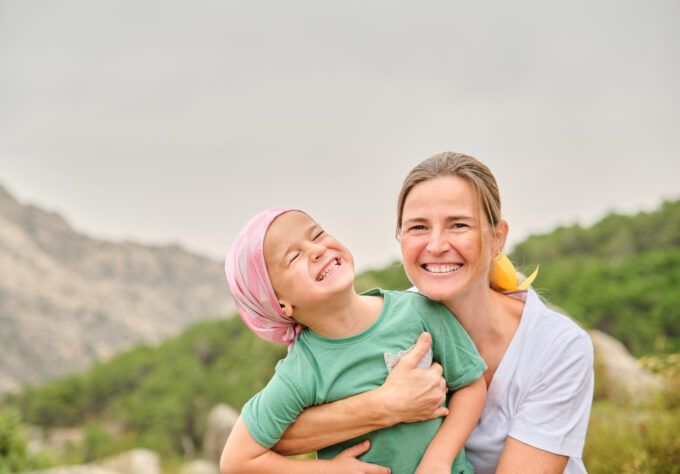
Pediatric cancer patient bonding with family in nature showcasing the importance of emotional support during care.

Emotional Support Matters for Families Facing a Pediatric Cancer Diagnosis

Nemours Children’s Health cancer research shows parents and providers may disagree on how to prioritize support The Emotional Side of Childhood Cancer Care When a child is diagnosed with cancer, parents and care teams share the same goal: making sure the child gets the best care possible. But pediatric cancer care goes beyond treatment. Children and families facing a cancer diagnosis often need psychosocial resources like mental and emotional support. New cancer research from Nemours Children’s Health shows that while both parents and healthcare providers agree that these resources are important, they don’t always agree on which ones should come first. Inside the Research: Exploring Priorities in Family Support In 2015, experts and cancer advocates, including Nemours Children’s researchers, published the first Standards for the Psychosocial Care of Children with Cancer and their Families. These guidelines define best practices for this area of pediatric oncology care and how to best […]

A young boy with a bandana and an IV drip beside him draws with crayons. He in indoors, sitting at a desk in a treatment centre.

How to Support a Child or Family with Cancer: Expert Q&A

September is Childhood Cancer Awareness Month — a time to honor the strength of children and their families navigating the challenges of a cancer diagnosis. Alongside doctors and nurses, Child Life Specialists play a vital role in supporting young patients and their families cope with the emotional and developmental impacts of cancer, guiding them through what can be an overwhelming journey. In this Q&A, we had the opportunity to speak with Joli Craver, one of our Child Life Specialists at Nemours Children’s Health, who works in the PLAYERS Center for Cancer and Blood Disorders. Joli provided valuable insights for friends, classmates, neighbors, and extended family who are looking to offer meaningful support. Whether it’s knowing what to say, how to help, or simply how to be present, her perspective can help you feel more confident in showing up for children with cancer and their families during their most challenging moments. […]

Page 1 of 6

Page 1 of 6

Page 1 of 6