Sleep Health | Nemours Blog | Answers From Pediatric Health Experts

ARTICLES RELATED TO:
Sleep Health

Melatonin: 5 Safety Tips for Kids and Teens

Melatonin: 5 Safety Tips for Kids and Teens

We all know that terrible feeling of not being able to sleep and drudging through the next day in a fog. If your child is having trouble sleeping, of course you want to help. You have probably heard of using melatonin for sleep problems. Its use has skyrocketed in the past few years. Melatonin is a hormone (or chemical messenger) made by the brain. It helps us fall asleep. Melatonin is also made as a dietary supplement and can be bought in the U.S. without a prescription. But is melatonin safe for kids and teens? Does it work? If melatonin is used with guidance from a health care provider, it is probably safe for short-term use in kids over 5 years. It can help kids and teens get some rest while they work through certain types of sleep problems. But it is still being studied so we don’t know for sure what […]

8 Must-Know Tips to Ensure Safe Sleep for Your Baby

8 Must-Know Tips to Ensure Safe Sleep for Your Baby

Much of a baby’s early life is spent sleeping. In fact, many newborns snooze 16 to 17 hours a day! It’s important that sleeping hours be just as safe as those spent awake. Sudden infant death syndrome (SIDS) is a leading cause of death in infants 1 month to 1-year-old. Most of these SIDS deaths occur in the first six months of life. Here are the top tips to keep in mind to ensure that your baby’s sleep environment is as safe as possible. 1. Keep your baby in your bedroom – but not your bed. The American Academy of Pediatrics (AAP) recommends room-sharing (as in bedroom-sharing). This is when an infant sleeps in the same bedroom as their parents (but not the same bed) for at least their first six months. The reason sharing a bed (also called “bed-sharing”) is not recommended is that parents can accidentally roll onto […]

Expert Question and Answer

Expert Q&A: Sleep Apnea

During this Q&A session, pediatric otolaryngologists, sometimes called ENTs (ear, nose, and throat specialists), Nicole Aaronson, MD, and Steven Andreoli, MD, discuss sleep apnea. Q: Are there any connections between sleep apnea and heart conditions? A: Some of the rare complications of long-term sleep apnea can impact the heart. Children with congenital heart diseases are monitored very closely for sleep apnea symptoms to avoid extra strain on the heart during sleep. A child that is showing signs of heavy breathing, disordered or irregular breathing, should have a sleep study.  Q: How do I know if my child needs a sleep study? A: If your child is younger than 2 years old and shows signs of sleep apnea symptoms, they should have a sleep study. Also, obese kids might need a sleep study.  Q: Are there any differences between adult and children’s sleep apnea? A: There is some crossover there, but […]

The Pandemic Can Disrupt a Good Night’s Sleep Too

The Pandemic Can Disrupt a Good Night’s Sleep Too

Sleep quality is central to our physical and emotional well-being. Not getting enough sleep negatively influences physical health and performance, learning, development, and emotional regulation.  During quarantine, many kids – especially those with developmental concerns – have been thrown off their routines, and sleep has been impacted. If children are not sleeping well, they don’t think as well, learn as well, or behave as well. Further, poor sleep quality makes children more vulnerable to anxiety and depression.  And anxiety is a major cause of sleeplessness. So it can become a vicious cycle. The bottom line is that the body needs to rest, rejuvenate and restore its physical and chemical properties in order to function well. Prioritizing sleep quality is essential to health. It’s just as important as diet and exercise. Give your family the opportunity to sleep by providing an environment and a bedtime routine that is sleep-promoting. Keep the […]

Kids and Sleep, Powered by Nemours Children's Health System

Kids and Sleep: Why They Need Their Zzzzz’s

How many hours of sleep did you get last night? Can you remember the last time you or your child slept at least seven hours? In this fast-paced and work-driven society, sleep often takes a backseat to other priorities. But research shows that sleep is one of the pillars that allows people to thrive emotionally, mentally, and physically. Without enough sleep, our health can decline. What Is Sleep? Sleep is defined as a time for physical and mental rest. During sleep, consciousness and ability to make decisions takes a partial or total break and bodily functions slow down. The body uses this time to physically restore and allow the brain to “clean up” and carry out important functions. Because sleep is so important for good health, not getting enough has been shown to increase the risk and incidence of: cardiovascular disease high blood pressure elevated cholesterol inflammation emotional reactivity Lack […]

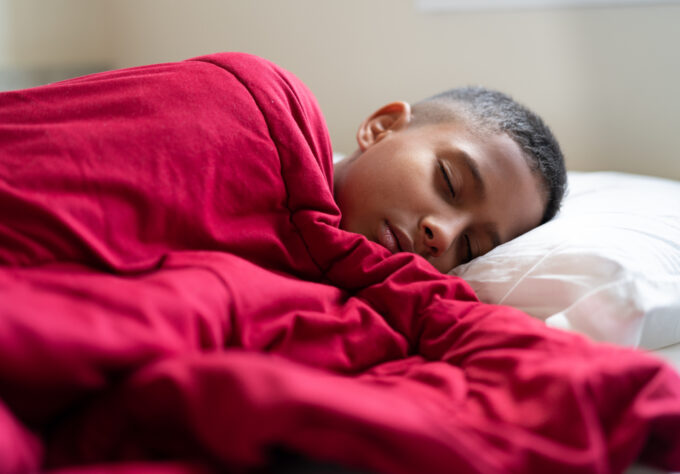
Boy sleeping in class needs back-to-school sleep schedule

Wake Up to a Back-to-School Sleep Schedule

It may be hard for kids everywhere to think about, but there aren’t many lazy days of summer vacation left — and some students are already back in the classroom. No doubt, with all the summer activities and getaways, your kids’ sleep schedules may have gone a bit haywire. But there’s still time to help get them on a back-to-school sleep schedule and practice some healthy sleep habits if you start, well, now. How to Make the Dreaded Transition to a Back-to-School Sleep Schedule The best way to prepare your children for a back-to-school sleep schedule is by beginning early — 10 days to two weeks early, to be exact. If you don’t have that much time left between now and your kids’ first day, don’t fret — just start as soon as you can. Progressively wake your kids 15 minutes earlier each morning and put them to bed 15 […]

For Little Kids, Sleep is a Big Deal | Christopher M. Makris, MD | Promise, powered by Nemours Children's Health

For Little Kids, Sleep is a Big Deal

It can seem like a simple thing, but how (and how much) a child sleeps can have an enormous impact on their mental and physical health, behavior and learning abilities. A lack of healthy sleep in children can lead to trouble focusing, a decline in grades, irritability, daytime sleepiness, sleep-related injuries and hyperactivity. For some children and their families, getting proper sleep can be as easy as sticking to an evening routine or setting an early bedtime. But for others, sleep disorders are a very real and serious issue, and deserve proper and thorough diagnosis, management and care. Common sleep disorders in children and teenagers include: insomnia (difficulty getting to and staying asleep) delayed sleep phase syndrome (DSPS) (inability to fall asleep at bedtime and difficulty waking up) restless leg syndrome (irresistible need for movement) narcolepsy (uncontrollable urge to sleep) breathing-disordered sleep (snoring, sleep apnea) parasomnias (night terrors, nightmares or sleepwalking) rhythmic […]

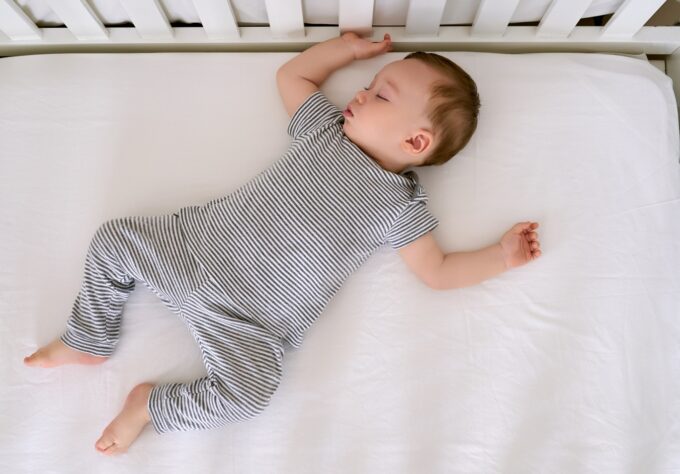
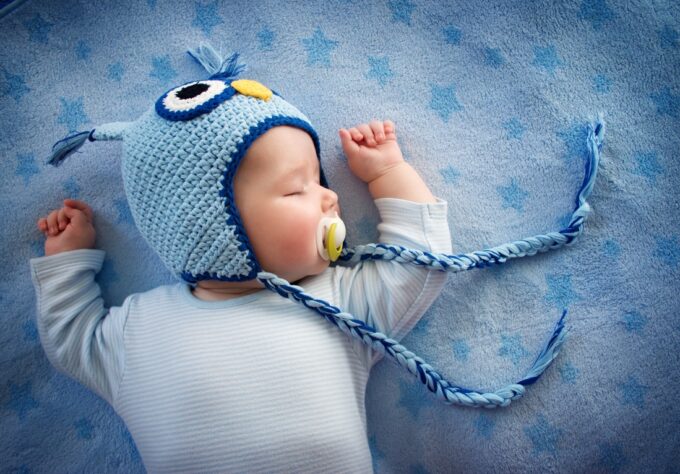
Baby sleeping shows importance of sleep in children

Children Need Sleep: The Effects of Too Few ZZZs

After a 10-month study reviewing published papers and sleep expert advice, the American Association of Sleep Medicine recently released recommendations for the amount of sleep needed by children and teens to achieve optimal physical health, mental health and cognitive functioning. This marks the first time the organization has set official guidelines for pediatric sleep. How Much Is Enough? If you’re wondering how much sleep your child should get — it depends on their age and individual sleep needs. Each age group has a range of optimal time and your child may fall anywhere on the spectrum. These are the new recommendations: Infants 4–12 months should sleep 12–16 hours per 24 hours. Children 1–3 years should sleep 11–14 hours per 24 hours. Children 3–5 years should sleep 10–13 hours per 24 hours. Children 6–12 years should sleep 9–12 hours per 24 hours. Teenagers 13–18 years should sleep 8–10 hours per 24 […]

Page 1 of 1

Page 1 of 1

Page 1 of 1