Dietary Guidance | Nemours Blog | Pediatric News and Guidance From Our Experts

ARTICLES RELATED TO:
Dietary Guidance

Close up of a girl holding her stomach indicating indigestion.

The Benefits of a Low FODMAP Diet: A Guide to Better Digestive Health

Does this story sound familiar? Your child just ate lunch and is going about their day when symptoms suddenly hit. They feel bloated and gassy, their stomach starts to cramp, and they may even experience diarrhea or constipation. You see how these symptoms disrupt their day, but nothing you’ve tried seems to help. For many children and teens with irritable bowel syndrome (IBS) or other dietary sensitivities, certain carbohydrates can cause more trouble than they’re worth. The low FODMAP diet for beginners can help calm this digestive discomfort by identifying which foods may trigger symptoms. Learn how to help your child feel more comfortable and confident around food. What are FODMAPs? In 2005, researchers in the Department of Gastroenterology at Monash University in Melbourne, Australia identified a group of short-chain carbohydrates found in food that are either poorly absorbed in the small intestine or impossible to digest. The team named […]


Cute child with a basket of organic vegetables

Are Vegan and Vegetarian Diets Safe for Kids?

If you’ve been following the conversation around plant-based diets for children, you may have noticed something significant happened in 2025. The Academy of Nutrition and Dietetics — one of the world’s largest and most respected organizations of nutrition professionals — updated their position on vegetarian and vegan diets, and the change has sparked considerable discussion in the plant-based community. What does this change actually mean for families raising plant-based kids? Has the science changed, or just the messaging? And most importantly, what should parents take away from this shift? Let’s break down what happened and explore what this means for your family’s plant-based journey. Why do people choose to follow plant-based diets? There are several reasons why someone may choose to follow a vegetarian or vegan diet, including religious reasons, health reasons, preferences or tolerances, environmental reasons and sustainability, and animal rights. There are also health benefits associated with plant-based […]

Child taking piece of sugar substitute with tongs in restaurant

Are Artificial Sweeteners Safe for Kids?

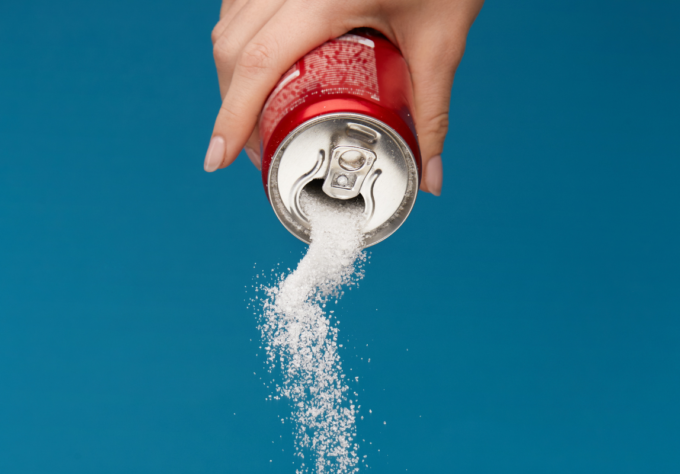
The American Academy of Pediatrics recommends kids ages 2–18 consume about six teaspoons of sugar per day. According to most sources, kids in America are consuming at least three times that amount. Added sugar — the kind that’s put in sweetened drinks, flavored yogurts, and even healthy low-fat packaged foods to make them taste better — is also upping kids’ consumption, and there are more than 60 terms for added sugar approved for use by the Food and Drug Administration (FDA). One way many consumers try to lower their use of sugar, both regular and added, is to use artificial sweeteners (also called sugar substitutes). Regardless of intent, most Americans consume some form of an artificial sweeter daily. That’s because sugar substitutes are used in a variety of packaged products from pudding and candy to desserts and syrups. Reducing added sugar is a benefit of artificial sweeteners, but parents need […]

Two little girls are having a water break on the running track at athletics club. One girl is standing with her hands on hips, the other is taking a big gulp of water from bottle.

Nutrition, Hydration, and Recovery Tips for Young Athletes

Supporting a growing athlete starts with understanding one key principle: performance nutrition isn’t about exotic supplements or complicated meal plans. The good news for parents of young athletes is that fueling your competitor is simply about eating the right balance of quality foods for the right activity — from training to post workout recovery to the big game. While athletes do need strategic nutrition to support their performance, the foundation is the same balanced, wholesome eating that benefits everyone in your family. Sports nutrition is really just smart, consistent healthy eating — with a few key timing adjustments. Building Blocks of Sports Nutrition Carbohydrates: The Primary Energy Source for Young Athletes Carbohydrates are found in foods like pasta, rice, bread, cereal, fruits, vegetables, and dairy. They are the body’s preferred source of energy during a workout. During digestion, carbohydrates are broken down into sugar and used immediately for energy, while […]

Preventing Iron-Deficiency Anemia

What is Iron-Deficiency Anemia? Iron-deficiency anemia is a condition that happens when there isn’t enough iron in the body. An infant or child with anemia has a lower number of red blood cells (RBCs), and RBCs contain hemoglobin (HEE-muh-glow-bin), a protein that carries oxygen throughout the body. The body needs iron to make hemoglobin. Without enough iron, less hemoglobin and fewer red blood cells are produced, which leads to anemia. Unlike some types of anemia, iron-deficiency anemia (also called “IDA”) can be prevented. It’s also relatively easy to treat with things like iron supplements and dietary changes. Preventing IDA Symptoms and Screenings for IDA As part of routine wellness, you should have your child screened for anemia at the 12-month and 24-month well-child visits. If your child is showing signs of iron-deficiency anemia, ask your pediatrician to screen your child for anemia. Common symptoms a child may exhibit include would be things like: […]

Energy Drinks & Kids: Know the Risks

Discover the risks associated with energy drinks for kids and learn about healthier alternatives. This article explores the ingredients in energy drinks, their potential dangers, and the importance of open communication with children. Help your kids make informed choices and adopt healthier habits.

Nutrition in Sickle Cell Disease

Keeping your child healthy and strong. Children with sickle cell disease (SCD) have lower levels of certain vitamins, minerals, proteins and other nutrients. That’s because their bodies turn over red blood cells so fast that nutrients are broken down faster than normal. When the body doesn’t get the nutrients it needs, it leads to malnourishment, anemia (low iron), frequent infections, poor growth and development, and other complications. At the Nemours Children’s Center for Cancer and Blood Disorders, our team incorporates nutrition into the overall treatment plan for kids with SCD. We know that good nutrition helps to support growth, restore energy, improve immunity and strengthen muscles and bones. Good nutrition can also reduce pain crisis and the side effects of certain treatments. This can help decrease the number of hospital visits and improve overall health as your child grows. Essential Vitamins and Minerals for SCD A child with SCD takes […]

Keto Diet: Ending Common Misconceptions

The Ketogenic “keto” Diet has become popular over the last few years, growing in its popularity as a weight loss diet. The keto diet works by switching the body’s primary energy source from carbohydrates to fat. When enough fat is used for energy in the body, our bodies enter what is known as “ketosis.” There are many misconceptions about the ketogenic diet that we hope to debunk! Myth 1: The Keto Diet is for Weight Loss The keto diet has been used for weight loss in recent years. The common understanding of why this works is through increased satiety from eating a higher fat diet (and less simple carbohydrates) and the breakdown of stored fats in the body from lower calorie intake. While weight loss is possible when following a keto diet, it should be monitored by a knowledgeable registered dietitian and physician to make sure you stay healthy while […]

teenage girl refusing sandwich

Is Gluten to Blame for Your Teen’s Gastrointestinal Problems?

Diarrhea. Abdominal pain. Bloating. Ugh!!! These annoying symptoms can occur in many gastrointestinal problems that teenagers experience. On social media, on the bleachers a school sports events, at doctors’ appointments, it seems like everywhere people are talking about gluten. What is gluten? Gluten is a group of proteins commonly found in wheat, barley, oats, and rye. It affects the dough quality of breads and is added to processed foods to improve texture, moisture, and flavor. When should a teenager go gluten-free?   When they are diagnosed with a problem caused by gluten. Celiac disease, wheat allergy, and gluten intolerance involve gluten, but are not one and the same. Celiac Disease Celiac disease is an autoimmune disease where gluten triggers the body’s immune system, which normally makes antibodies to fight off harmful invaders like viruses or bacteria, to make antibodies against itself. These “autoantibodies” damage villi, finger-like projections lining the small […]

Let's Rethink How We Talk to Teens about Their Weight

Let’s Rethink How We Talk to Teens about Their Weight

Perhaps we need to rethink how we talk to our teenagers who have a weight issue. At the Nemours Eating Disorders Evaluation and Management Program, we see teenagers who pinpoint the onset of their eating disorder to comments made by well-intentioned doctors, coaches, or health teachers.

Should You Talk to Teens About weight Gain?

Should You Talk to Teens About Weight Gain?

America, we have a problem. One in five American children and adolescents are obese. Obesity is highest among adolescents 12-19 years-old compared to younger children. How do you know if your teenager is obese? Your teen’s Primary Care Provider (PCP) measures Body Mass Index (BMI). BMI is weight in kilograms divided by the square of the height in meters – yay for BMI calculators! Teenagers’ BMIs are expressed as percentiles: Related reading: How to Know if Your Teen Is at a Healthy Weight Why do parents need to worry? Because facts are facts: obese children are more likely to become obese adults, and obesity increases the risk of problems including diabetes, heart disease, and cancer. Also, we live in a society where weight bias and discrimination, or “ fat shaming,” is rampant.  Fat shaming triggers physical and emotional and physiological changes and is linked to depression, anxiety, low self-esteem, eating […]

Page 1 of 3

Page 1 of 3

Page 1 of 3