Emergency Care | Nemours Blog | Pediatric News and Guidance From Our Experts

ARTICLES RELATED TO:
Emergency Care

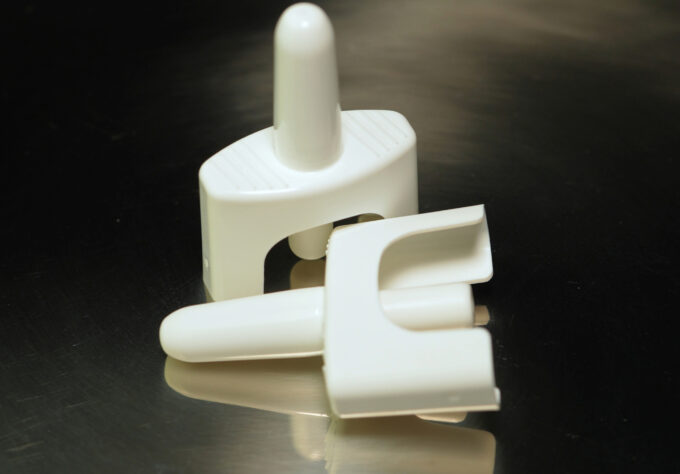
Naloxone (Narcan): A Lifesaving Tool for Families

Naloxone, also known as Narcan, is a powerful and life-saving medication used to reverse opioid overdoses. Opioids are a type of medicine often prescribed to manage pain, but they can be dangerous if misused. Millions of families in the United States have lost a loved one due to an overdose, but in the case of opioid overdoses, we have a tool that can help. The American Academy of Pediatrics called on pediatricians to help reduce these tragic losses by educating families about overdose prevention. By learning about naloxone, you can be better prepared to protect your loved ones and save a life. What is Naloxone? Naloxone is a medication designed to quickly reverse the effects of opioids, such as fentanyl, heroin, and prescription pain medications like oxycodone. Narcan is simply a brand name for naloxone, which is why you may hear it used interchangeably. It works by blocking the opioids […]

A Fever, Racing Heart Rate, and Altered Mental State: Why Was This Teen Athlete So Sick? 

This blog was originally published by The Philadelphia Inquirer  A 15-year-old girl was brought to the emergency department because she was not acting like herself at lacrosse practice. The coach called her mother to pick her up early from practice because she was having trouble walking and could not answer such simple questions as “What is your name?” and “Where are you?”  When they arrived at the emergency department, the teen’s skin was red, hot, and dry. She was leaning on her mother for support. She looked so ill that the nurse brought her into the triage room before other waiting patients. She had an extremely high fever of 104.6 degrees and a fast heart rate (tachycardia) of 130 beats per minute, and appeared to be going in and out of consciousness. She was rushed to a treatment room, where doctors and nurses began resuscitation.  Our patient exhibited altered mental […]

When Your Child Complains of Chest Pain by Thomas Craig Edwards, MD | Promise, powered by Nemours Children's Health

When Your Child Has Chest Pain

When your child complains of chest pain, it’s natural to jump to heart-related conclusions. But most cases of chest pain in children aren’t caused by cardiac conditions. It can sometimes be hard to get a clear description of your child’s chest pain, but symptoms usually include: Tightness. Discomfort. Burning sensation. Pain when taking deep breaths. Coughing. Wheezing. So what should you do? Make an appointment with your child’s primary care physician, and keep in mind that chest pain in children is usually not heart-related. Chest pain can often be attributed to one or more of the following: Gastroesophogeal reflux disease, or ongoing heartburn Pain or inflammation in the chest wall Asthma Pneumonia Stress or anxiety Injury Viral illness Heading to the hospital is absolutely necessary in some situations. Seek emergency care if: Exercise brings about chest pain, or makes it worse. Chest pain occurs with rapid or irregular heartbeat. Fainting or […]

PICU Basics and Preventing Post Intensive Care Syndrome

PICU Basics and Preventing Post Intensive Care Syndrome

If your child is seriously ill and needs a very high level of medical care, they may be sent to the pediatric intensive care unit (PICU). The PICU is different from other parts of the hospital; it is designed for intensive nursing care and helps for constant monitoring of things like your child’s heart rate, breathing, and blood pressure. PICU Basics Your child may be put into the PICU for the following reasons:  Severe breathing problems from asthma Serious infections Certain types of heart conditions Complications of diabetes Post care for major surgery Experienced a serious accident While in the PICU, you and your child will meet many different members of their medical team. This care team includes: Doctors (often called Attending Physicians), Residents, Fellows and Medical students Nurses Respiratory, Occupational, Physical,  and Speech Therapists Pharmacists Nutritionists Social Workers, Child Life Specialists, Psychologists and Psychiatrists Children in the PICU will […]

Chest Pain in Teens: When to Worry

Chest Pain in Teens: When to Worry

Few things can cause a parent’s heart to stand still like having a teenage child complain of chest pain. Unfortunately, it’s a common complaint. According to national data from 2016, people aged 15 to 24 years comprise 14.2% of all emergency room visits and chest pain is one of the top diagnoses. Causes of Chest Pain Many people have experienced chest pain, and a variety of words are used to describe it, ranging from dull to squeezing. There are equally as many causes, the most serious of which usually involve the heart or lungs. Luckily, in teenagers, the most serious are not the most likely. Frequently, the cause of chest pain in teens is chest wall pain. The chest wall includes the skin, fat, muscles, and bones that form a protective structure around the heart, major blood vessels, lungs, and esophagus. The bones in the chest wall include the ribs, sternum (breastbone), […]

How to identify and treat eye emergencies in children, powered by Nemours Children's Health System

How to Identify and Treat Eye Emergencies in Children

Sports, toys and everyday household items have one thing in common: they can cause eye injuries in children. And in some cases, these injuries can become eye emergencies — situations that require immediate medical attention. The best way to treat eye emergencies is by preventing them in the first place. Be sure your kids use protective eyewear when engaging in sports, play only with age-appropriate toys and don’t have access to household chemicals and utensils. Still, even after you’ve taken these precautions, eye emergencies can happen. Here’s what to look for and what to do if your child experiences trauma to one or both eyes. Chemical exposure Dangerous chemicals are in nearly every area of our home, and if they’re not kept out of a child’s reach, they can cause permanent eye damage. One particularly dangerous culprit: detergent pods, whose bright colors are appealing to kids. “Children may try to […]

A Guide to Objects in Ears, Nostrils and Mouths by Robert Sprecher, MD | Promise: Powered by Nemours Children's Health System

You Got What Stuck Where?! A Guide to Objects in Ears, Nostrils and Mouths

It seems like everyone has a story that involves a child, a small object, and an orifice: a bean in a nostril, a pebble in an ear—maybe even a swallowed Barbie shoe or penny. It’s no wonder these instances are so common. Kids are naturally curious, and their worlds contain so many things that fit just so in the body parts they’re learning to explore. So what do you do when your child becomes one of these stories? It all depends on two things: what’s the object, and which opening is it stuck in? First things first: If you know or suspect that your child has swallowed a button battery, get to the emergency department immediately. Swallowed batteries can cause esophageal perforation (a hole in the tube that carries food from the mouth to the stomach), and other life-threatening injuries—sometimes within hours. It’s also time to head to the ER […]

Is It an Emergency or Just Urgent? by Kate Cronan, MD | Promise, Powered by Nemours Children's Health System

Is It an Emergency or Just Urgent?

It’s a Saturday afternoon, and you’ve just watched your 8-year-old take a terrifying flip over the handlebars of his bicycle. Or, it’s dinner time on a Tuesday night, and your 2-year-old has put his peas into his nose — instead of his mouth — and now they’re stuck. Should you call your child’s regular doctor? Should you pack up and head to the Emergency Department, or seek out your nearest urgent care center? It can be a tough decision, and it doesn’t help when you’re tired, stressed, and concerned for your child’s health. In some cases, you’ll know instantly if your child requires immediate medical attention. But in other cases, it might be hard to determine whether an injury or illness needs the attention of a medical professional or can be treated at home. The first call can always be to your child’s primary care physician. Your doctor — or […]

Sudden cardiac arrest and teenage athletes | Steven Fishberger, MD | Promise: Powered by Nemours Children's Health System

Sudden Cardiac Arrest and Teenage Athletes: What’s the Risk?

Sudden cardiac arrest is nothing new, but it still gets plenty of attention when it affects a young athlete—usually because it’s so rare, unexpected and tragic. We’re all familiar with the stories of seemingly healthy teenagers collapsing on the field or court and succumbing to cardiac arrest. It’s estimated that between 6,000 and 8,000 young people experience sudden cardiac arrest (or SCA) each year, and only about one in 10 survive. The exact causes of SCA vary widely. Abnormalities in the heart or genetic conditions are often to blame, though there are times in which a definite cause is never found. In all cases, something causes the heart to unexpectedly beat out of control or stop beating altogether. Sudden cardiac arrest is so dangerous because it’s so hard to predict. But if the symptoms are recognized immediately, lives can be saved. Symptoms of SCA include: Collapse Lack of pulse No […]

Page 1 of 1

Page 1 of 1

Page 1 of 1