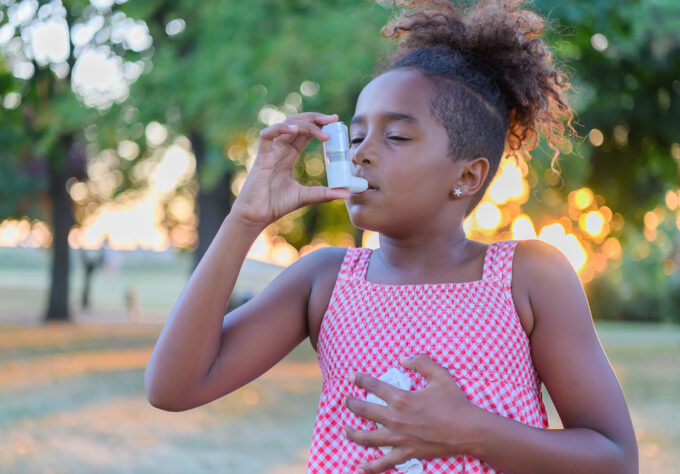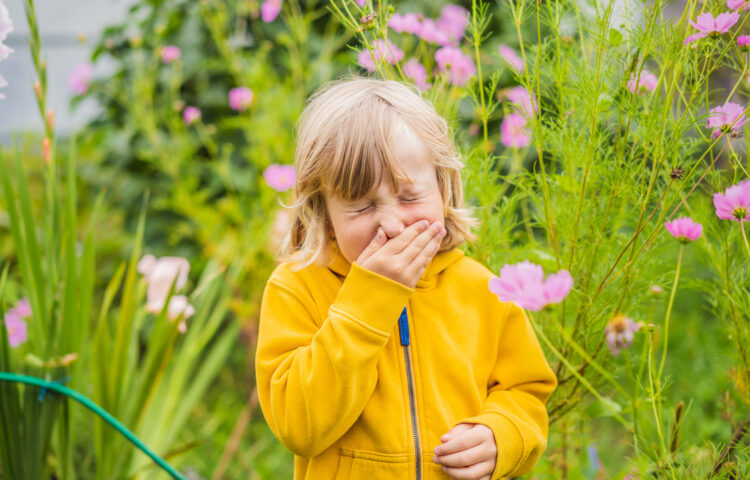
Fall 2026 is shaping up to be a tough allergy season. Warmer temperatures and a later first frost are giving ragweed and other weeds a longer window to grow and release pollen, while damp autumn conditions and fallen leaves keep mold spores in the air. With weed pollen arriving right on schedule in August and counts predicted to spike through September and October, parents need to plan ahead to minimize seasonal allergy suffering. By taking action before the pollen hits, your child can enjoy autumn’s colors instead of its allergens.
The best way to care for allergies in kids is to track what’s happening outside, get ready for pollen season inside, and see the doctor (if needed) to manage allergies early.
Can you get allergies in the fall?
Yes. Seasonal allergies — also called “hay fever” — can flare up any time of year, but fall has its own set of triggers. In fall, the main culprits are ragweed and other weed pollen, plus mold spores from damp fallen leaves. Because ragweed drives so much of the season, you’ll often hear the fall allergy season referred to as “ragweed season.” The term “hay fever” is confusing these days since it rarely involves hay exposure and doesn’t cause fever; its origin actually dates back to the late-summer hay harvesting season. These seasonal allergies do, however, cause inflammation of the nasal passages when children breathe in and react to pollen, and that leads to runny nose, stuffy nose, sneezing, and itching inside the nose. Plus, if a child has asthma, fall allergy symptoms can aggravate the condition, and they’re also sometimes mistaken for the onset of a common cold — which can be especially unclear during back-to-school season when both are circulating.
The return to classrooms also exposes kids to a mix of indoor allergens alongside outdoor ragweed and mold — and mid-September marks “Asthma Peak Week,” when asthma-related hospitalizations spike.
When does ragweed season start?
In the United States, fall allergy season is tied less to the calendar than to the weather. The autumnal equinox falls around September 22, but for allergy purposes the season often starts in August — when ragweed begins releasing pollen — and runs until the first hard frost stops the weeds from pollinating. If you’re trying to identify possible triggers, sites like The Weather Channel and your local meteorological team offer tools to help you track the main offenders when you’re tracking allergies this fall.
Fall allergies and their arrival vary based on region and climate. Each year, the Asthma and Allergy Foundation of America (AAFA) tracks weed pollen season and notes that the Allergy Capitals report identifies the most challenging areas and metrics for living with seasonal allergies. More than 100 million people in the United States live with various types of seasonal allergies, and about 1 in 7 people are allergic to ragweed pollen alone.
How long do fall allergies last?
Once summer starts to wind down, ragweed and other weeds begin to release pollen and the fall season begins in earnest. Ragweed typically starts pollinating in early to mid-August, peaks around mid-September, and continues until the first hard frost — a window of roughly 6 to 10 weeks in most regions. In warmer parts of the country, a mild autumn can push weed season, and common fall allergies, into November.
In 2026, the highest grass pollen levels are forecast in some of the most populated areas, including New York City, Philadelphia, Detroit, and Chicago. Although grass pollen usually winds down by early September, the Eastern part of the country may stay higher this year due to moisture and warm overnight temperatures, according to AccuWeather Senior Meteorologist Alan Reppert. Rainfall tied in part to El Niño will play a role in some of the higher weed pollen this fall, he adds, with weed pollen being the bigger concern for fall allergens. This is predicted to affect areas across the Southeast and southern Rockies, and possibly remain high into October.
Is it fall allergy symptoms or a cold?
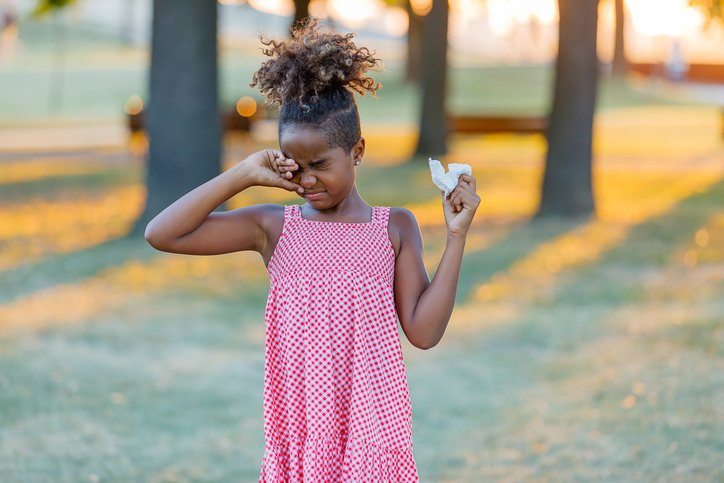
If your child is having symptoms during the fall allergy season, a few things can help you tell the conditions apart. Seasonal allergies follow a pattern, meaning children will get similar symptoms each year. If the symptoms happen in early fall, then they’re likely demonstrating a pattern of fall allergies. In addition, sometimes allergies are associated with more itching — itchy eyes and an itchy nose. On the other hand, colds usually last about one week, cause less itching, and may lead to fever or fatigue.
What helps fall allergies at home?
Simple steps to reduce your child’s allergen exposure:
- Seal your home: Keep windows and doors closed during pollen season; use your home’s climate control (air conditioning or heat) to stay comfortable.
- Filter the air: Use a HEPA air purifier in bedrooms and common areas.
- Clean more often: Vacuum and wash bedding weekly during peak season to remove trapped pollen.
- Wash hands frequently: This prevents pollen transfers from hands to eyes and nose.
- Monitor pollen counts: Check daily forecasts and limit outdoor time when levels spike. (Ragweed counts are typically highest between 10 a.m. and 3 p.m.)
- Drive with windows up: Prevents pollen from entering the car.
- Manage leaves and gutters: Clear wet leaves away from the house and clean gutters to reduce mold spore buildup.
- Change clothes after outdoor play: Have your child change out of outdoor clothes and shower before bed to remove pollen and spores from hair and skin.
- Choose certified products: The AAFA’s Asthma & Allergy Friendly® Certification program can give you ideas for reducing allergens.
When to Consider Allergy Medication for Kids
Every child’s allergy experience is different. While some children have mild symptoms that can be managed without medication, others may need treatment when congestion, sneezing, or itching begins to interfere with sleep, school, or everyday activities. A doctor can help determine the most appropriate approach based on your child’s symptoms, which may include nasal sprays, oral antihistamines, or other treatment options. Saline rinses can also provide relief for mild congestion. If nasal sprays are part of the treatment plan, they are often most effective when started at the beginning of allergy season, even before symptoms develop.
Learn More About Seasonal Allergies in Children
Preparing early can make a big difference during fall allergy season. Because pollen counts and mold levels can fluctuate throughout the season, keeping an eye on local allergy forecasts can help families anticipate symptoms and plan ahead. If your child experiences seasonal allergies year after year, connect with a pediatrician or allergist early to discuss prevention and treatment strategies.
For more expert guidance and trusted resources, explore the Allergies Topic Center from Nemours KidsHealth®.