Illnesses & Infections | Nemours Blog | Pediatric News and Guidance From Our Experts

ARTICLES RELATED TO:
Illnesses & Infections

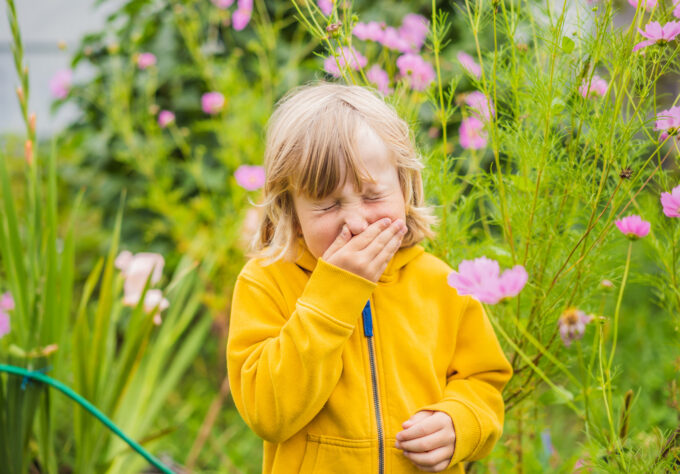
Child sneezing while standing among flowering plants outdoors during fall allergy season.

Helping Your Child Through Fall Allergy Season

Fall 2026 is shaping up to be a tough allergy season. Warmer temperatures and a later first frost are giving ragweed and other weeds a longer window to grow and release pollen, while damp autumn conditions and fallen leaves keep mold spores in the air. With weed pollen arriving right on schedule in August and counts predicted to spike through September and October, parents need to plan ahead to minimize seasonal allergy suffering. By taking action before the pollen hits, your child can enjoy autumn’s colors instead of its allergens. The best way to care for allergies in kids is to track what’s happening outside, get ready for pollen season inside, and see the doctor (if needed) to manage allergies early. Can you get allergies in the fall? Yes. Seasonal allergies — also called “hay fever” — can flare up any time of year, but fall has its own set […]

Child sits at a table in front of fresh vegetables with a thinking expression wondering if she should eat it.

Your Salad Made the News. Now What?

Fresh fruits and vegetables usually have good publicity. They’re the foods pediatricians, dietitians and public health experts have spent decades encouraging families to eat more often. Parents are told to fill lunchboxes with berries, add vegetables to dinner plates, and keep healthy snacks within reach. That’s why produce-related outbreaks can feel especially unsettling. Over the past several weeks, headlines about a cyclosporiasis outbreak linked to fresh produce have left many families wondering whether the foods they’re trying to eat more of are suddenly the foods they should avoid. If you’ve found yourself looking at a salad a little differently lately, you’re not alone. But before you swear off fresh produce for the rest of the summer, it helps to understand why outbreaks like this happen — and why the answer isn’t as simple as “stop eating vegetables.” Why Produce Outbreaks Feel Different When a frozen food product is recalled, most […]

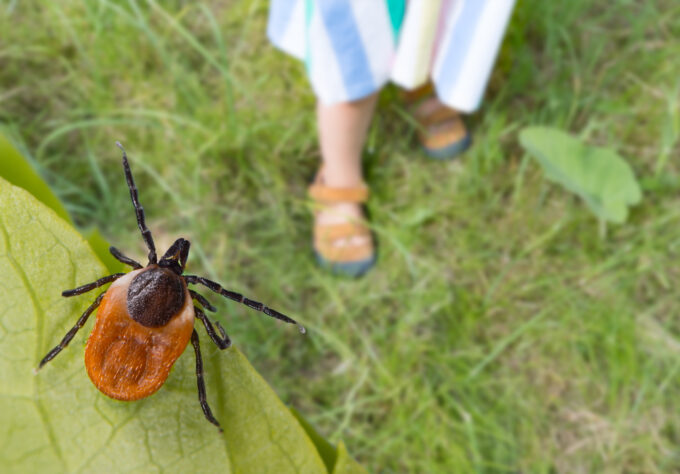
Tick hidden on a green leaf detail and little girl foots in sandals on a lawn outdoors.

Tick Bites and Lyme Disease: What to Know This Season

Warm-weather play brings more time outside — and more chances for tick bites. While most bites are harmless, some can transmit Lyme disease, the most common tickborne illness in the United States. With tick activity starting earlier and rising in 2026, it’s especially important for parents to stay alert. The good news: simple prevention habits, early detection, and prompt care can make a big difference in protecting your child’s health this season.

Happy little girl blowing pollen from a flower outside in spring.

Spring Allergy Season Is Starting Early

Spring 2026 is shaping up to be a tough allergy season based on January and February’s roller coaster temperature shifts from early warmth to sudden cold snaps, which set the stage for intense pollen production in some areas. And with tree pollen arriving weeks ahead of schedule and pollen counts predicted to spike rapidly across the East Coast, parents need to plan ahead to minimize seasonal allergy suffering. The good news? You don’t have to wait for the sniffles and sneezes to start. The best way to care for allergies in kids is to track what’s happening outside, get ready for pollen season inside, and see the doctor (if needed) to manage allergies early. By taking action before the pollen bomb hits in March and April, you can help your children breathe easier and enjoy spring the way it’s meant to be enjoyed. When is spring allergy season? In the […]

Measles disease. Health concept, Infectious, viral diseases. Vaccination of children against measles.

Measles: What Parents Need to Know About Recent Outbreaks

You’ve probably heard the news lately about measles outbreaks in the U.S. Although the disease was declared eliminated here in 2000, there have been increasing outbreaks across the country since 2024. In fact, 2025 saw more confirmed cases of measles in the U.S. than in any year since 1991. Additionally, the Centers for Disease Control and Prevention (CDC) have already reported more than 982 confirmed cases in just the first two months of 2026, with the most occurring in South Carolina and Utah. With cases on the rise, parents must understand measles and know what they need to do to prevent and spot it in their children. Vaccinations: The Best Protection Against Measles Measles is a highly contagious virus and it’s not just a rash and a fever. It can cause serious health complications, especially in children younger than 5. The large majority of people who get measles are unvaccinated (so […]

Pregnant woman catching cold, flu, virus, sitting at home on a couch, blowing nose and being sick.

Navigating Cold and Flu Season While Pregnant

Flu season is hitting hard this year, with flu‑related hospitalizations already ranking among the highest seen at this point in the season in more than a decade. For anyone, that’s concerning — but for women who are pregnant, even a mild fever or sore throat can raise understandable worry. Pregnancy changes the way the body responds to infections, and questions like “What can I safely take for a fever while pregnant?” become part of everyday decision‑making. Fortunately, there are proven, safe ways to reduce the risk of severe illness. The American College of Obstetricians and Gynecologists (ACOG) recommends the inactivated flu vaccine at any stage of pregnancy, and Nemours maternal‑fetal medicine experts emphasize that receiving the flu shot is far safer than experiencing the flu itself while expecting. With clear guidance and evidence‑based recommendations, health care teams aim to help expecting parents feel informed, supported, and confident as they navigate […]

Doctor applies an adhesive bandage to preteen girl's arm after the girl receives a flu shot at an outdoor free clinic.

Protect Your Family This Season With a Flu Vaccine

The 2024-25 flu season was the deadliest flu season for U.S. children in more than a decade, according to September 2025 reports from the Centers for Disease Control and Prevention (CDC). One report included data on the 280 U.S. children who died, and while the authors say that it’s unclear why there were more pediatric deaths than in previous seasons, the best way to protect children from flu is to get them vaccinated. Based on their findings, of the 208 children with vaccine information available, 89% had not been fully vaccinated against flu. Overall, only about half of children in the U.S. got their flu shot last year. Here are some things to know about flu shots and how this year’s flu vaccines are more convenient — and important — for families than ever. When is flu season? The official flu season in the United States typically runs from October […]

Father checking on his sick daughter at home who might have COVID, RSV, or the flu.

Comparing Flu, COVID-19, and RSV: A Guide for Parents

Does your child keep getting colds? Runny noses? A cough that just won’t go away? How can you tell if it’s COVID-19, the flu, or RSV? According to the American Academy of Pediatrics, even healthy kids get about 6–10 colds each year.  There are a number of different viruses that make the rounds, especially during fall and winter months, and here are some things to watch for when it comes to making decisions about diagnosis, home care, and potential visits to the doctor. What are flu symptoms, COVID symptoms, and RSV symptoms? There is a lot of overlap between symptoms. This means some of the symptoms of flu, COVID, and RSV can appear similar to other respiratory illnesses, up to and including the common cold. It would require a test to confirm a diagnosis for flu, COVID, or RSV. Plus, it’s also possible to have more than one of the […]

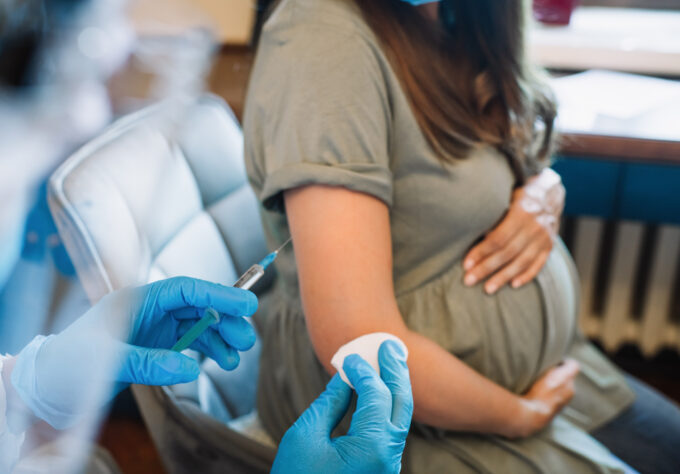
Pregnant woman getting RSV immunization

Protecting Your Baby from RSV: Immunization Options

Respiratory syncytial (sin-SISH-ul) virus (or “RSV”) is the leading cause of infant hospitalization in the United States. Is RSV contagious? Yes, it’s considered highly contagious because it spreads similarly to the common cold. For example, RSV can spread when someone with the virus coughs or sneezes near you or your baby. It can also spread when you or your baby touch surfaces contaminated with RSV droplets from an infected person’s cough or sneeze, and then touch your eyes, nose, or mouth without washing your hands. According to the Centers for Disease Control and Prevention, anyone can get RSV, but most people are infected for the first time as infants or toddlers. Protecting children from RSV involves exploring new immunization options for moms and babies. What Is RSV? RSV is a common and widespread virus. In most regions of the United States, RSV season starts during fall and peaks in the […]

5 Tips to Keep Your Family Healthy This Flu Season

It’s that time of year again: flu season. Thankfully, there are some steps you can take to help you and your kids avoid spending the winter feeling terrible and curled up with a box of tissues. Just ask your child to follow these five tips from our medical experts: Wash Your Hands Washing your hands is the single most effective method of preventing respiratory illnesses, including the flu. Keep in mind, when washing your hands, make sure to scrub for at least 20 seconds. (Just tell your kids that’s about the time it takes to sing Happy Birthday twice.) Always make sure to wash your hands before and after eating food, after contact with frequently touched surfaces, and after blowing your nose, coughing or sneezing. If you don’t have access to soap and water, make sure to use hand sanitizer. Cover Your Coughs (and Sneezes) When you cough or sneeze, […]

All About Walking Pneumonia in Kids

Between colds, the flu, and other viruses, lots of kids get sick in the fall. This year it could be due to a lung infection called walking pneumonia that’s becoming more common, especially in young children. It’s also known as mycoplasma pneumonia since it’s often caused by the bacteria mycoplasma pneumoniae. While usually mild, it can still make kids uncomfortable and cause breathing problems. Here’s what you need to know about this rising health issue. What is walking pneumonia? Walking pneumonia is a kind of bacterial infection that affects the lungs. It tends to cause milder symptoms than other forms of pneumonia, so children who have it feel well enough to walk around instead of staying in bed. This is why it’s called “walking pneumonia.” How common is walking pneumonia in kids? Each year, about 2 million people get walking pneumonia. Since spring, the infection has been more common than […]

A Fever, Racing Heart Rate, and Altered Mental State: Why Was This Teen Athlete So Sick? 

This blog was originally published by The Philadelphia Inquirer  A 15-year-old girl was brought to the emergency department because she was not acting like herself at lacrosse practice. The coach called her mother to pick her up early from practice because she was having trouble walking and could not answer such simple questions as “What is your name?” and “Where are you?”  When they arrived at the emergency department, the teen’s skin was red, hot, and dry. She was leaning on her mother for support. She looked so ill that the nurse brought her into the triage room before other waiting patients. She had an extremely high fever of 104.6 degrees and a fast heart rate (tachycardia) of 130 beats per minute, and appeared to be going in and out of consciousness. She was rushed to a treatment room, where doctors and nurses began resuscitation.  Our patient exhibited altered mental […]

Page 1 of 4

Page 1 of 4

Page 1 of 4