
Parents with teen daughters often describe the same experience: their daughter receives a diagnosis of polycystic ovary syndrome (PCOS), and suddenly a constellation of symptoms — irregular periods, persistent acne, unexpected weight changes — finally has a name. There’s relief in that moment, but still some confusion. And now, you may start hearing a new name: polyendocrine metabolic ovarian syndrome (PMOS).
This new name is far more than a simple rebranding, however. It signals a profound evolution in how clinicians understand what’s actually happening in the bodies of millions of girls and women living with this condition. For parents especially, the new name can help make sense of symptoms that may have felt disconnected from one another.
Whether your daughter has already received a PCOS diagnosis or you’re still searching for answers, here’s what this change means, and what you need to know.
Why is PCOS now called PMOS?
For years, the term polycystic ovary syndrome (PCOS) has been misleading. That’s because, despite the name, most girls don’t actually have ovarian cysts; the condition isn’t limited to the ovaries; and “PCOS symptoms” often affect the entire body, not just the reproductive system.
The new name — polyendocrine metabolic ovarian syndrome, or PMOS — is designed to reflect what’s really going on. Here’s a breakdown of what’s represented:
- Polyendocrine: Multiple hormone systems are involved.
- Metabolic: The condition is closely tied to how the body processes energy and insulin.
- Ovarian: The ovaries are affected, but they’re only part of the picture.
For families, this shift can be helpful. It reframes PMOS as a whole-body condition, not just a reproductive issue. This can lead to better diagnosis and more complete care.
What does this mean for my daughter?
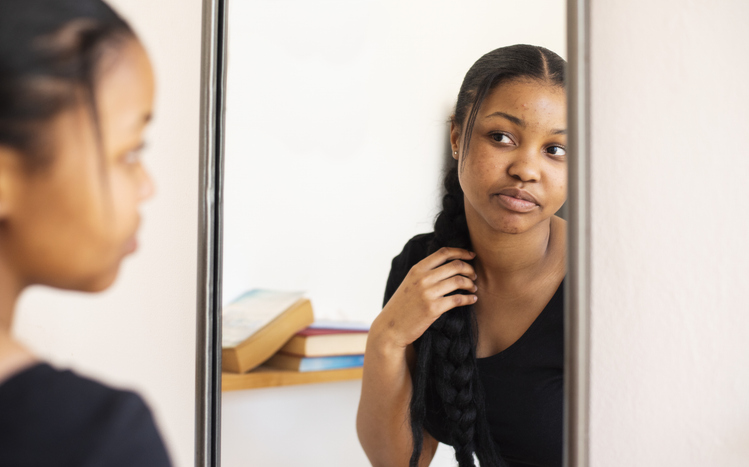
If your daughter has been diagnosed with PCOS, or has been evaluated under the new PMOS criteria, her care likely won’t change overnight. But the way healthcare teams think about her symptoms may improve. Instead of focusing only on periods or fertility, doctors and other providers are more likely to consider hormone balance, metabolic health (including insulin levels), skin and hair changes, and emotional well-being. This broader view can be especially important during the teen years, when symptoms may not follow a clear pattern.
Why is this condition often missed in teens?
PMOS can be challenging to recognize in adolescents because many of its signs overlap with normal puberty. For example, periods can be irregular for a few years after they first start, acne is common in teens, and weight changes can happen during growth and development.
Because of this, it’s not unusual for concerns to be dismissed or attributed to “typical teen changes.” The updated name helps highlight that these symptoms may be connected — and possibly part of a larger hormonal and metabolic condition — rather than isolated issues.
What signs might parents notice first?
You don’t need to look for every possible symptom. Often, it’s patterns over time that matter most. Parents might notice:
- Periods that remain irregular beyond the first couple of years
- Acne that’s severe or doesn’t respond to typical treatments
- Changes in hair growth (including thinning, excess hair on face, chest, or abdomen)
- Weight gain that seems difficult to manage despite healthy habits
If something doesn’t feel right, trust your instincts. Bringing these patterns up with your child’s pediatrician is an important first step.
How is PMOS treated in teens today?
Treatment for PMOS focuses on managing symptoms and supporting long-term health. What’s important for parents to understand is that these recommendations aren’t about appearance or “fixing” your child. The treatment does not make PMOS go away. Rather, they’re based on how the condition works in the body. For example, in many girls with PMOS, higher levels of insulin can signal the ovaries to produce more androgens (hormones like testosterone). As a result, for many teens, PMOS care may include:
- Supporting healthy sleep, nutrition, and physical activity
- Medications that help regulate periods
- Discussion about lifestyle changes and possible medication to improve insulin function
- Treatments for specific concerns like acne or excess hair

How can I support my daughter?
A diagnosis like PMOS can affect more than just physical health. Many teens feel frustrated by symptoms they can’t control, uncertain about what the diagnosis means, and self-conscious about visible changes like acne or hair growth. As a parent, your support can make a meaningful difference.
Here’s how you can help:
Start With Listening
Give your daughter space to talk about what she’s experiencing — without minimizing or trying to immediately “fix” it.
Validate What She’s Feeling
Let her know that her symptoms are real and that many other teens go through similar challenges.
Focus on Health, Not Appearance
When talking about lifestyle changes, emphasize feeling stronger and more energized, supporting her body’s systems, and preventing future health issues.
Help Her Build a Care Team
This may include a pediatrician, pediatric endocrinologist, dermatologist (for skin concerns), adolescent gynecologist, registered dietitian, and a behavioral health professional if needed.
When should I talk to a doctor?
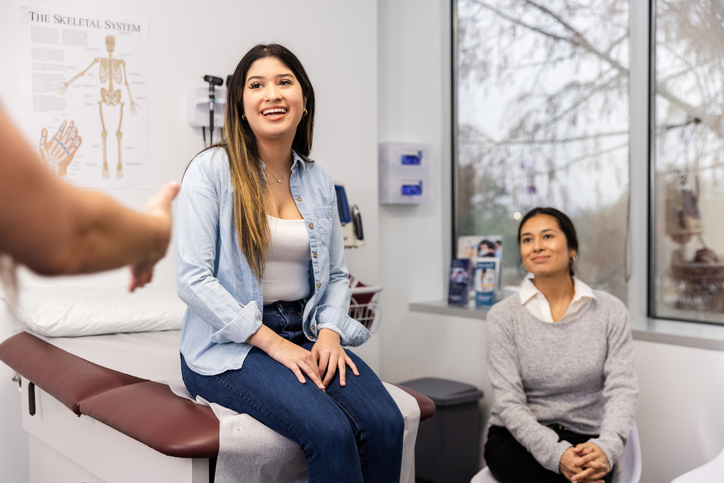
Early evaluation can help rule out other conditions and provide clarity. Consider reaching out to your child’s pediatrician if:
- Periods are still very irregular a few years after they begin
- Symptoms like acne or hair growth seem severe or worsening
- You notice multiple changes that don’t seem connected but persist over time
- Your daughter is feeling distressed about her symptoms
Looking Ahead With PMOS
While PMOS is a long-term condition, it is manageable. Most teens go on to lead healthy, full lives. However, the shift from PCOS to PMOS is more than just a name change. It’s a step toward better understanding, earlier diagnosis, and more comprehensive care. For parents, it’s also an opportunity to see the bigger picture — and to support your daughter with confidence as she learns about her health.
If your teen daughter has a PCOS diagnosis or you want to learn more about PMOS care and what’s changing, Nemours Children’s is here with pediatric specialists in endocrinology, pediatrics, adolescent medicine, and more.