Seasonal Safety | Nemours Blog | Pediatric News and Guidance From Our Experts

ARTICLES RELATED TO:
Seasonal Safety

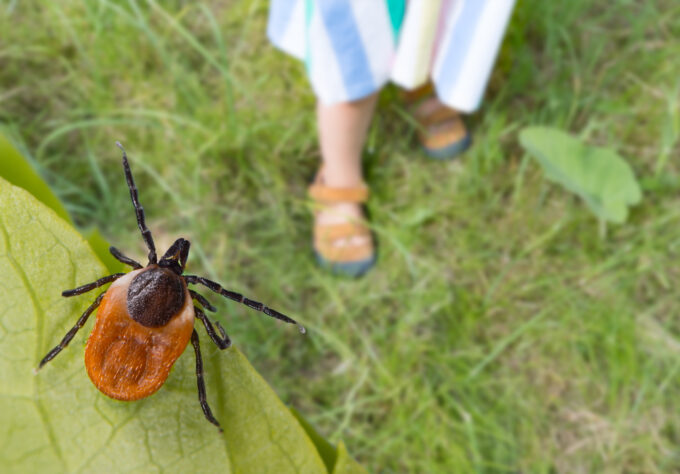
Tick hidden on a green leaf detail and little girl foots in sandals on a lawn outdoors.

Tick Bites and Lyme Disease: What to Know This Season

Warm-weather play brings more time outside — and more chances for tick bites. While most bites are harmless, some can transmit Lyme disease, the most common tickborne illness in the United States. With tick activity starting earlier and rising in 2026, it’s especially important for parents to stay alert. The good news: simple prevention habits, early detection, and prompt care can make a big difference in protecting your child’s health this season.

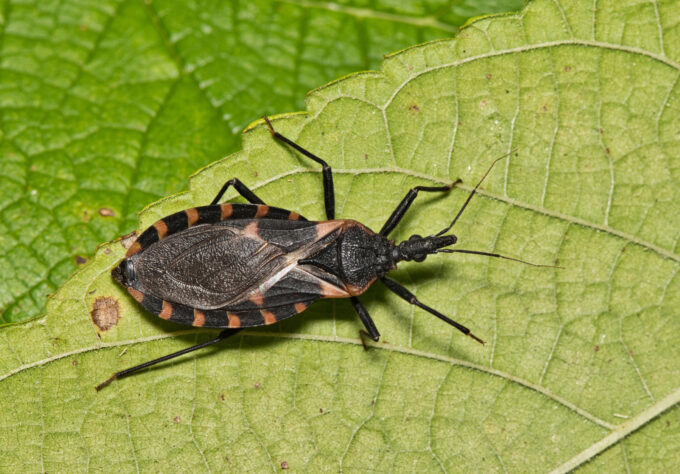
Kissing bug on a leaf that carries Chagas disease

Chagas Disease: What Parents Should Know

More than 7 million people worldwide are estimated to be infected with Trypanosoma cruzi (or T. cruzi), the parasite that causes Chagas disease. In the United States, the number of cases is relatively low but appears to be growing, especially in certain regions. According to experts at UCLA Health, approximately 45,000 people in Los Angeles County are infected, among more than 300,000 in the United States, and fewer than 2% of them are aware they carry the parasite. However, these reports are not as current as the clinical community would like, given the calculated risk of exposure. This has led the Centers for Disease Control and Prevention (CDC) to advocate for reclassifying certain states as endemic (en-DEM-ik) areas where infected parasites live and potentially transmit the disease. What is Chagas disease? Chagas (SHAH-gus) disease is caused by the T. cruzi parasite, which is harbored by approximately a dozen species of bloodsucking triatomine bugs, commonly referred […]
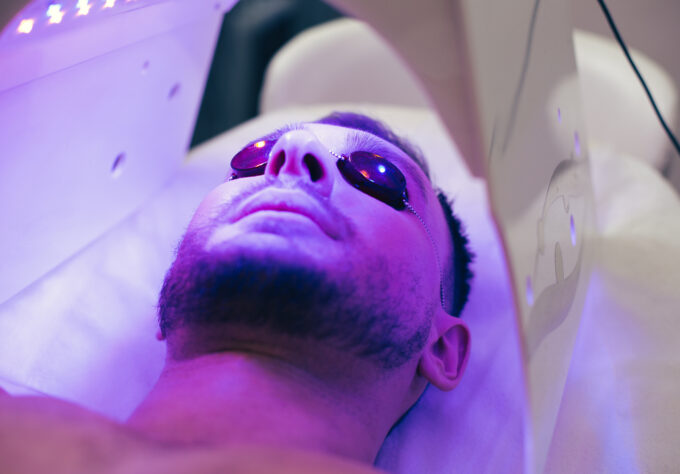
Close up of a calm young man lying in a tanning bed and having protective glasses on his eyes to protect them from UV light

Skip the Bed, Save Your Skin: A Guide to Safer Sun Choices

Many teens enjoy how they look with a fresh tan. To keep that glow year-round, some turn to tanning beds believing it’s a safer or easier option than sunbathing. But here’s the truth: research shows that tanning beds are actually more harmful than natural sun exposure. How Tanning Beds Work and Their Risks Tanning beds use florescent lights to emit ultraviolet (UV) radiation that darkens the skin. The UV exposure stimulates melanocytes — cells in the skin that produce melanin, the pigment responsible for tanning. While it may seem like a simple process, tanning beds expose the skin to high levels of UVA and UVB radiation. While early detection is important, prevention is key. Just 10 minutes in a tanning bed exposes your teen’s skin to concentrated UVA and UVB rays that are often much stronger than natural sunlight — these rays penetrate deep, damaging the DNA in skin cells. […]

Overheated little child is sitting in front of electric fan trying to cool down.

Summer Safety: Protecting Kids from Sun, Heat and Poison Ivy

As the sun shines brighter and outdoor adventures continue to beckon, summer’s extreme heat can turn into a health hazard if we’re not careful. While the season offers endless opportunities for fun in the sun, it’s not just the sunburns we need to watch out for — hidden dangers like poison ivy lurking in the underbrush can also put an itchy damper on our plans. By recognizing these risks and taking a few simple precautions, we can make the most of the warm days still ahead. Learn to identify, prevent, and treat summer ailments like sunburn, heat illness, dehydration, and poison ivy to keep your family healthy this summer. Common Summer Health Risks for Kids Sunburn: Protecting Your Child’s Skin When kids are outdoors, it’s important to protect their skin from too much exposure to the sun’s ultraviolet rays (UV rays), which can put an immediate stop to summer (and […]

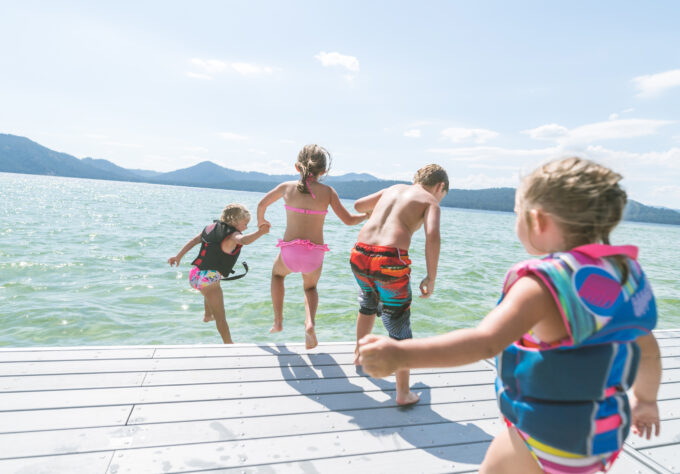
Four kids jumping into a lake on a summer day with two of the younger children wearing life vests to demonstrate proper water safety

Water Safety Tips for Kids: How to Prevent Drowning This Summer

As summer heats up, many of us flock to pools, lakes, and beaches to cool off. But beneath the fun and relaxation lies a serious risk: accidental drowning is a leading cause of injury-related death in children, especially among toddlers and adolescents. Drowning is the number one cause of death for children ages 1 to 4 years and for children and adults with autism, according to the American Red Cross. Learn how to prevent drowning and stay safe in the water with your family this summer. Preparation is Key Before you get to the pool, lake, pond, or ocean: Safety in the Water While you’re in the water: From Avoiding Risks to Understanding “Dry Drowning” Water safety matters everywhere and keeping it top of mind helps you manage the risks. Drowning Statistics and Why They Matter Drowning deaths are on the rise in the United States, following decades of decline, […]

What’s New in Sunscreen, Powered by Nemours Children's Health System

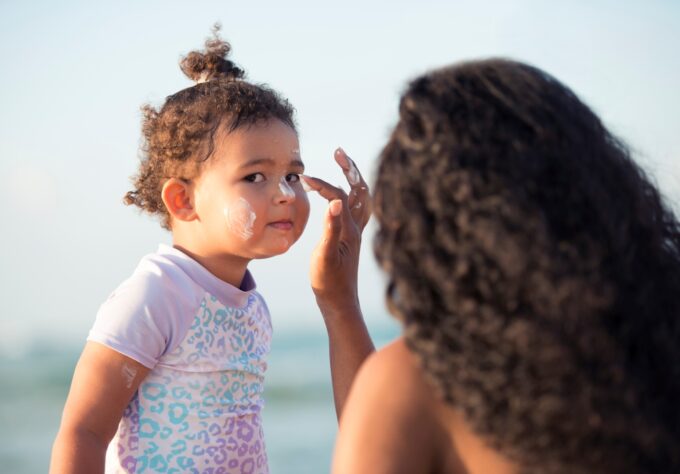
What’s New in Sunscreen

With summer well underway, it’s important we remember to lather on sunscreen and cover up with brimmed hats, long sleeves, and sunglasses before heading out in the sun. But when picking a sunscreen, you may not be thinking about what type of ingredients in that sunscreen protect you from the sun. You may have heard about physical and chemical sunscreens. Both types have their own benefits and drawbacks, and it’s important to learn the difference between the two. No matter which kind of sunscreen you choose, it’s always important to protect yourself from the sun’s harmful rays. Physical Sunscreen Physical sunscreen (also known as mineral sunscreen) sits on top of your skin, so it’s not absorbed into the bloodstream. It acts as a barrier that blocks the sun’s rays. The active ingredients that are found in this type of sunscreen are zinc oxide and titanium oxide, both of which are […]

The dangers of leaving kids in a hot car, powered by Nemours Children's Health System

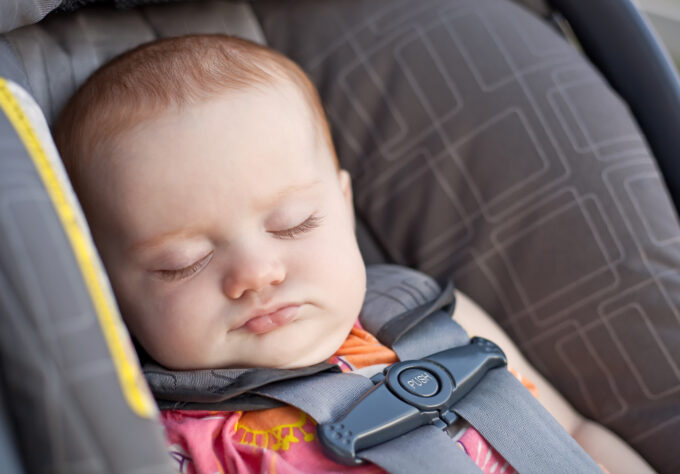
Preventing Hot Car Death in Children

In 2018, a disturbing record was set in the U.S. – 52 children died as a result of being left inside a hot car. You may think a hot car death could never happen to you or your family. But most parents or caregivers who left a sleeping baby or child in a car did it unintentionally and unknowingly. You can ensure that a tragedy like this doesn’t happen by creating a plan to help you avoid distraction. The Dangers of Leaving Children in the Car The first thing to remember is that never, at any time, should you leave infants, children or someone who has special needs in a parked car. Even if you’ll only be gone a few minutes; even if the windows are cracked open; even if it’s not that hot outside. Conditions inside a hot, parked car form a type of greenhouse effect where the temperature […]

Halloween Safety Tips, Powered by Nemours Children's Health System

Halloween Safety Tips

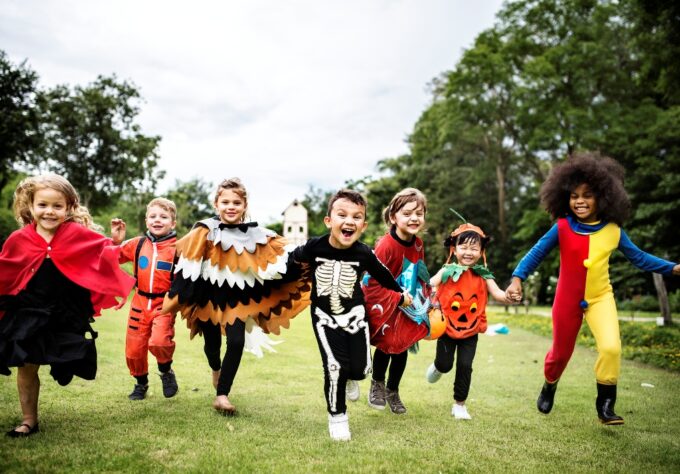
Halloween is such a fun time–for kids and grownups! Before you send your little monsters out trick-or-treating, here are some quick and easy Halloween safety tips to make sure your kiddos enjoy all Halloween treats this year. Dressing Your Little Ghouls & Goblins Choose a light-colored costume that’s easily seen at night. Add reflective tape or glow-in-the-dark tape to the costume and to the trick-or-treat bag. Only buy costumes labeled “flame-retardant.” This means the material won’t burn. If you make your own costume, use nylon or polyester materials, which are flame-retardant. Make sure wigs and beards don’t cover your kids’ eyes, noses, or mouths. Masks can make it hard for kids to see and breathe. Instead, try using non-toxic face paint or makeup. Don’t use colored or decorative contact lenses, unless they’re prescribed by a licensed eye doctor. Put a nametag – with your phone number – on your children’s […]

6 Sun Safety Tips: How Kids Can Have Fun in the Sun and Be Sun-Safe, Powered by Nemours Children's Health System

6 Sun Safety Tips: How Kids Can Have Fun in the Sun and Be Sun-Safe

All kids need time outside. It’s good for them to play and exercise, get fresh air, and spend a bit of time in the sun, so their bodies can make vitamin D, which helps all of us absorb calcium for strong and healthy bones. But too much sun exposure can be dangerous, especially to children. Damage from exposure to the sun builds up over time, so knowing about sun safety and how to protect your child from the sun should start early. No Tan is a Healthy Tan The sun’s ultraviolet (UV) rays can damage your skin in as little as 15 minutes. When your kids spend too much time exposed to UV rays without protection, they can also damage their eyes and immune systems. And just one blistering sunburn in childhood could double the risk of getting melanoma (the most serious skin cancer) later in life. The intensity of […]

Kids and ATVs: Ten Dos and Don'ts, Powered by Nemours Children's Health System

Kids and ATVs: Ten Dos and Don’ts

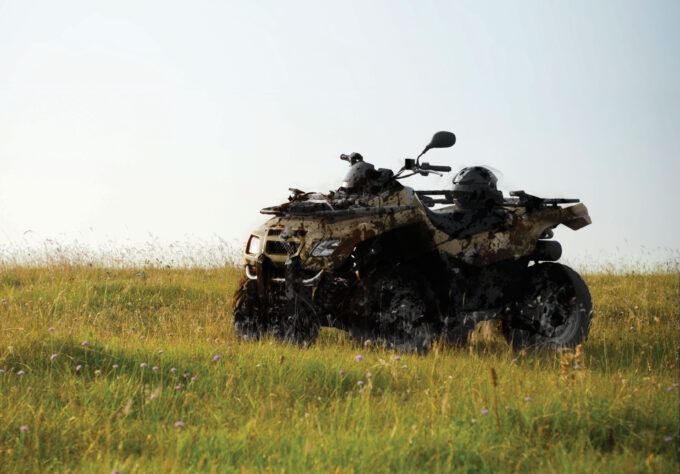
This article was written by Nemours Health & Prevention Services Intern Juliana Russo. All-terrain vehicles (ATVs) are NOT toys. Inez Tenenbaum, Chairman of the Consumer Product Safety Commission, stated that “every year 700 people die and 136,000 go to the emergency room because of ATV related injuries.” She also says, “ATVs are the fifth deadliest product that we oversee.” Nemours Children’s Health System supports the American Academy of Pediatrics policy statement, which strongly recommends that children under the age of 16 not ride ATVs. But, if you do allow your children to ride, we urge you to understand the risks: ATVs can weigh up to 850 pounds ATVs have a high center of gravity so they have a higher chance of flipping over Most ATVs can sustain high speeds over 60 mph, risking a child’s loss of control of the vehicle There are no seat belts, roll bars, air bags […]

Lawn Mower Safety - Powered by Nemours Children's Health System

Kids and Lawn Mowers: Tips to Stay Safe

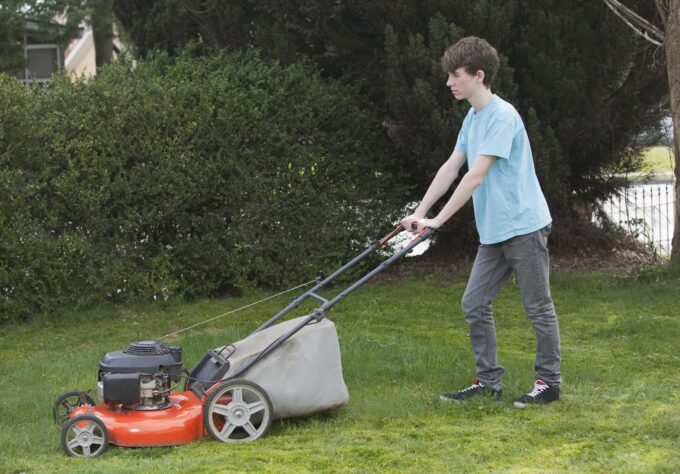
Each year you know it’s coming. The transition from a crisp wind to a warm breeze, green overtaking barren trees, longer days, and kids riding bikes and scooters. Winter takes its exit as spring reawakens the outside world. And with the change of seasons, the familiar growl of lawnmowers everywhere! Each year, up to 4,800 children are injured in lawn mower accidents. And 75 children die each year from lawn mower accidents. The most common injuries from lawn mowers are cuts, usually to the hands or fingers. Lawn mowers can also kick up rocks and sticks that act as projectiles, which can cause eye injuries or cuts. Kids under five years can get burned by coming in contact with the mower. In fact, passengers and bystanders are more likely to be admitted to the hospital than the person operating the mower. Lawn mower-related injuries are the most common reason for traumatic amputations […]

For an Allergy Safe Halloween, Go Teal | Powered by Nemours Children’s Health System

For an Allergy-Friendly Halloween, Go Teal

As Halloween approaches, many families are preparing to have a safe trick-or-treating experience. For families dealing with food allergies, though, trick-or-treating can cause a great deal of anxiety. Until recently, food allergy has not been an issue that many families have experienced personally. Today, however, 1 in 13 families has a child with food allergies. For those children, eating the wrong treat can cause severe reactions, and in some cases a life-threatening reaction called anaphylaxis. As an allergist and parent of a 4-year-old with a peanut allergy, my wife and I have found ourselves fighting a constant battle to ensure that our son doesn’t come into contact with products that may contain peanuts while he’s at school or eating in public places. Halloween is especially challenging for us. We want our son to have fun and not feel different from his friends just because he can’t enjoy certain types of candy. […]

Page 1 of 2

Page 1 of 2

Page 1 of 2