Home Safety | Nemours Blog | Pediatric News and Guidance From Our Experts

ARTICLES RELATED TO:
Home Safety

Melatonin: 5 Safety Tips for Kids and Teens

Melatonin: 5 Safety Tips for Kids and Teens

We all know that terrible feeling of not being able to sleep and drudging through the next day in a fog. If your child is having trouble sleeping, of course you want to help. You have probably heard of using melatonin for sleep problems. Its use has skyrocketed in the past few years. Melatonin is a hormone (or chemical messenger) made by the brain. It helps us fall asleep. Melatonin is also made as a dietary supplement and can be bought in the U.S. without a prescription. But is melatonin safe for kids and teens? Does it work? If melatonin is used with guidance from a health care provider, it is probably safe for short-term use in kids over 5 years. It can help kids and teens get some rest while they work through certain types of sleep problems. But it is still being studied so we don’t know for sure what […]

Fire Safety: What to Know in Case of Fire

Fire Safety: What to Know in Case of Fire

Did you know that winter months are peak time for fire-related deaths? In the event of a fire, you may have as little as two minutes to escape. Home and apartment fires can start and spread quickly. It is important to create a fire escape plan and practice it regularly with your family. Create a Fire Escape Plan The best way to start planning a fire escape plan according to the National Fire Protection Association (NFPA) is to draw a map of your home or apartment showing all doors and windows. The NFPA says families should: Plan two ways to escape from each room. Make sure all doors and windows leading outside open easily. Identify secondary routes: a window onto an adjacent roof or a collapsible ladder from a second-floor window. If you live in a multi-story building, plan to use the stairs – never the elevator. Designate an outside meeting […]

Button Batteries

Button Batteries: Small in Size, Big in Dangers to Children

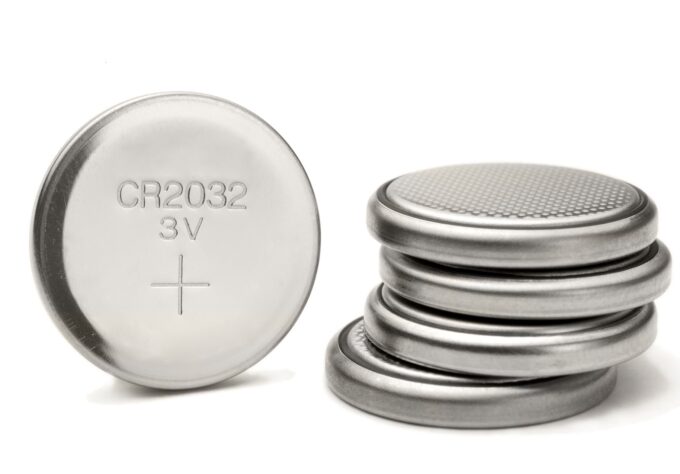
The child ingestion rate of button batteries is on the rise. More than 3,500 incidents of button battery ingestion are reported to U.S. poison control centers each year. The most serious injuries are usually associated with 20 mm diameter batteries, about the size of a nickel. They are dangerous to toddlers and kids because they are easy to swallow or be inserted into their nose or ears. Serious injuries and even death can result if the button battery is not removed in time. What Are Button Batteries? Button batteries are small, round, and shiny batteries that are found in numerous household items like: Hearing aids Remotes controls Toys Holiday decorations Watches Flameless candles Bathroom scales What Can Happen If Ingested? If swallowed, chemicals in the batteries can cause serious burns when swallowed or get stuck in the body. According to HealthyChildren.org, when the battery makes contact with bodily fluids, it generates […]

Doctors, Including This One, Push for Baby Walker Ban, Powered by Nemours Children's Health System

Doctors, Including This One, Push for Baby Walker Ban

We’ve all seen them, maybe even used them at some point. The infant walker. Usually a round or square structure with a seat in the middle, the baby walker has “legs” with wheels, so baby can move around and also play with the many activities on the attached tray. They seem innocent, even helpful to baby’s development. But from 1990 to 2014, nearly 230,676 babies under 15 months old were treated in emergency departments for walker-related injuries. Risks of Baby Walker Use The number one risk from baby walkers is falling down stairs, followed by falling out of the walker. The majority of injuries are to the head and neck. But there are also other risks because while in the walker babies can reach for things that are normally too high—things like pot handles on stove tops or a tablecloth where there is hot coffee on a table. The concern […]

Car Seat Safety, Powered by Nemours Children's Health System

Car Seat Safety

As a parent, you want the very best for your children. One of the most important things you can do is make sure your kids are as safe and secure as possible while riding in your car. Keep Your Kids Buckled Up Every Time Parents and caregivers can keep children safer every time they ride in the car by doing the following: Know the proper way to use car seats, booster seats and seat belts. Use appropriate seats and seat belts with your children on every trip in the car, no matter how short. Set a good example by always using a seat belt yourself. A Car Seat Safety Guide There are many car seat and booster options available to parents and caregivers to use in protecting children while driving. Use this guide to help determine the best way to keep children safe in the car. Rear Facing Car Seat […]

Kids and ATVs: Ten Dos and Don'ts, Powered by Nemours Children's Health System

Kids and ATVs: Ten Dos and Don’ts

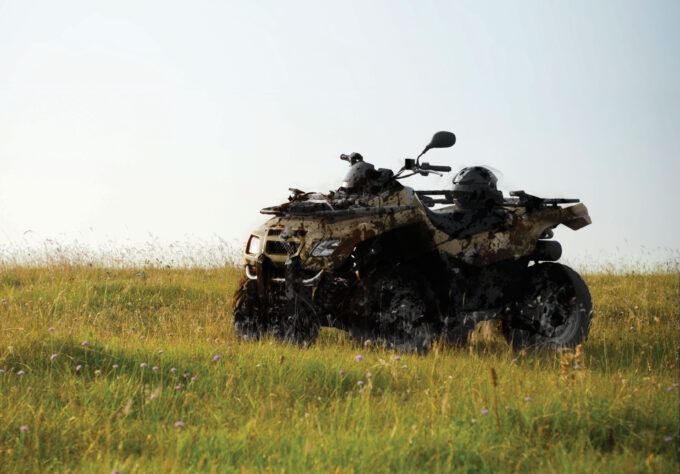
This article was written by Nemours Health & Prevention Services Intern Juliana Russo. All-terrain vehicles (ATVs) are NOT toys. Inez Tenenbaum, Chairman of the Consumer Product Safety Commission, stated that “every year 700 people die and 136,000 go to the emergency room because of ATV related injuries.” She also says, “ATVs are the fifth deadliest product that we oversee.” Nemours Children’s Health System supports the American Academy of Pediatrics policy statement, which strongly recommends that children under the age of 16 not ride ATVs. But, if you do allow your children to ride, we urge you to understand the risks: ATVs can weigh up to 850 pounds ATVs have a high center of gravity so they have a higher chance of flipping over Most ATVs can sustain high speeds over 60 mph, risking a child’s loss of control of the vehicle There are no seat belts, roll bars, air bags […]

Lawn Mower Safety - Powered by Nemours Children's Health System

Kids and Lawn Mowers: Tips to Stay Safe

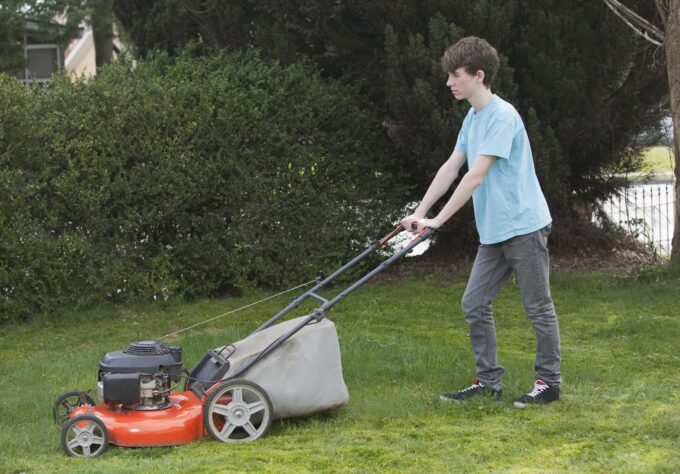
Each year you know it’s coming. The transition from a crisp wind to a warm breeze, green overtaking barren trees, longer days, and kids riding bikes and scooters. Winter takes its exit as spring reawakens the outside world. And with the change of seasons, the familiar growl of lawnmowers everywhere! Each year, up to 4,800 children are injured in lawn mower accidents. And 75 children die each year from lawn mower accidents. The most common injuries from lawn mowers are cuts, usually to the hands or fingers. Lawn mowers can also kick up rocks and sticks that act as projectiles, which can cause eye injuries or cuts. Kids under five years can get burned by coming in contact with the mower. In fact, passengers and bystanders are more likely to be admitted to the hospital than the person operating the mower. Lawn mower-related injuries are the most common reason for traumatic amputations […]

A Guide to Objects in Ears, Nostrils and Mouths by Robert Sprecher, MD | Promise: Powered by Nemours Children's Health System

You Got What Stuck Where?! A Guide to Objects in Ears, Nostrils and Mouths

It seems like everyone has a story that involves a child, a small object, and an orifice: a bean in a nostril, a pebble in an ear—maybe even a swallowed Barbie shoe or penny. It’s no wonder these instances are so common. Kids are naturally curious, and their worlds contain so many things that fit just so in the body parts they’re learning to explore. So what do you do when your child becomes one of these stories? It all depends on two things: what’s the object, and which opening is it stuck in? First things first: If you know or suspect that your child has swallowed a button battery, get to the emergency department immediately. Swallowed batteries can cause esophageal perforation (a hole in the tube that carries food from the mouth to the stomach), and other life-threatening injuries—sometimes within hours. It’s also time to head to the ER […]

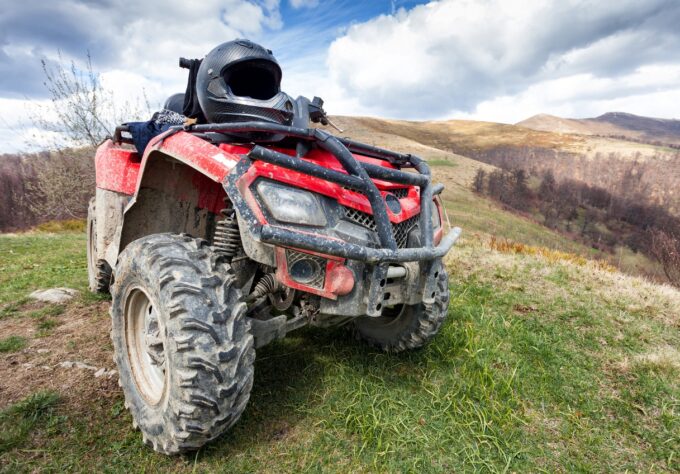
An ATV with a helmet shows the importance of ATV safety

ATV Safety: 7 Injury Prevention Tips

Summer is full of opportunity and adventure for kids who like the outdoors. All-terrain vehicles (ATVs) are exciting and many kids can’t wait to get off-road and try them out. Although these vehicles may seem like a fun summer activity, they can lead to some serious – even fatal – injuries, especially if you don’t follow ATV safety rules and regulations. In fact, the American Academy of Pediatrics (AAP) recommends that children under 16 not ride ATVs at all. They say this age group lacks the necessary physical strength, coordination, and judgment to drive an ATV safely in all situations and conditions. Still, despite the risks, many kids are legally able to ride ATVs. Each state has different guidelines and laws about age requirements, many of which allow children under 16 to ride ATVs. But before you let your kiddos hop onto an ATV, know the risks and follow these […]

Toddler touching eating puppy doesn't know how to prevent dog bites

Dog Bites: Take a Paws for Prevention

For so many, dogs are our best friends and trusted companions. Despite how warm and loving they can be, all breeds of dogs are capable of biting. According to the Centers for Disease Control and Prevention (CDC), every year, more than 4.5 million people are bitten by dogs in the United States, and more than half of those bites happen at home with a familiar dog. Of those who endure dog bites, more than half are children under the age of 14 and nearly a million require medical attention. Most dogs won’t bite without a reason. A family dog may bite when a new baby is brought home or a child plays too roughly, teases, or startles the dog. A dog you don’t know may bite when approached without taking the proper precautions. Knowing how to prevent dog bites will help keep your family safer this summer — and beyond. […]

Preparing Kids for Hurricanes (Without Freaking Them Out), Promise, Powered by Nemours Children's Health System

Preparing Kids for Hurricanes (Without Freaking Them Out)

Hurricanes can be pretty scary events – for grown-ups and kids alike. From a developmental standpoint, we know that children learn how to respond to situations based on the behaviors and attitudes of those around them. So here are some tips to help them – and you – be ready this hurricane season. Talk about hurricanes. Kids might be confused about what a hurricane is, so use simple age-appropriate descriptions of what they might expect if one is coming your way. For a younger child, you might say, “A hurricane is a tropical storm with very strong winds and lots of rain, lightning and thunder.” It’s also important to stress to kids that grown-ups will do their best to keep them safe. Try to remain calm yourself. Kids are sponges and can easily sense the emotions of those around them. When a parent seems overly upset or worried, this may […]

Safer Cookouts: 4 Steps to Curb Food Poisoning, Michell Fullmer, RD, LDN, CSP, CNSC | Promise, Powered by Nemours Children's Health System

Safer Cookouts: 4 Steps to Curb Food Poisoning

Picnics and BBQs are a fantastic time for family and friends to get together. And the food is one of the best parts, right? But foodborne illness (often called food poisoning) can strike when you least expect it — and can be very dangerous. Foodborne illness comes from contaminated food or liquids. The most common foods or beverages that spoil easily are: raw or undercooked poultry, eggs, seafood, beef and pork milk untreated water fresh fruits and vegetables — especially if not washed correctly salads — pasta, egg, potato salad, etc. unpasteurized ciders, milk and cheese Who’s Most at Risk for Food Poisoning? The U.S. Department of Agriculture (USDA) estimates that there are 48 million cases of foodborne illness each year. The people affected are both healthy and unwell (i.e., they have other chronic conditions). However, those with compromised immune systems are more highly susceptible to foodborne illness. For example, […]

Page 1 of 2

Page 1 of 2

Page 1 of 2