Illnesses & Infections | Nemours Blog | Pediatric News and Guidance From Our Experts

ARTICLES RELATED TO:
Illnesses & Infections

What to Tell Your Kids About Coronavirus (COVID-19)

What to Tell Your Kids About Coronavirus (COVID-19)

Help Kids Understand What it Is COVID-19 is a new disease that is caused by a coronavirus. Coronaviruses cause a number of different illnesses, from colds to more serious respiratory tract infections. Because this is a new illness, we’re still learning about it. But we do know that COVID-19 causes a fever, cough and trouble breathing. We also know that it spreads very easily when people who have it cough or sneeze, sending tiny droplets into the air. That’s why it’s important to do things to stop it from spreading, like washing our hands a lot and staying away from other people if we feel sick. For most people, the illness is not serious. People might feel a bit like they have the flu and can recover at home with rest and fluids. Some people do get very sick, though. These people can get help and expert advice from their […]

The Facts About Coronavirus and 2019-nCoV Outbreak

Coronavirus and the COVID-19 Outbreak

Coronavirus is a common respiratory virus, with symptoms similar to a common cold, that affects most people at some point during their lives. In 2019, a new strain of coronavirus, called COVID-19, or 2019 Novel Coronavirus, began in the city of Wuhan, China. The World Health Organization has declared this strain an international pandemic. The Centers for Disease Control are monitoring the situation abroad and in the United States very closely. This is a rapidly changing situation and the risks for the virus change daily. You can find the latest updates available on CDC’s Coronavirus Disease 2019 (COVID-19) website. Travel Information CDC is currently recommending that travelers avoid all nonessential travel to China, South Korea, Iran, most European countries, and the UK and Ireland. If you or a member of your family has traveled to any of these countries recently and are showing signs of respiratory illness, contact your health […]

7 Flu Myths, Debunked

7 Common Flu Myths, Debunked

When flu season hits, what usually follows is a barrage of flu myths and misinformation. The flu, which is often accompanied by a fever, a cough, a sore throat and congestion, is a severe illness that kills between 20,000 and 30,000 Americans each year — including children. “Some people feel that it’s not a big deal and they can tough it out, but some kids are hospitalized due to pneumonia because of the flu, and others die every year because of it,” said Dr. Jonathan Miller, general pediatrician and Medical Director of Value-Based Care at Nemours Children’s Health System. “It’s a very serious disease.” The flu can lead to pneumonia, inflammation of the heart or brain, organ failure, or sepsis, all of which can result in death. That’s why it’s so important to take proper precautions against catching or spreading the flu, including getting the influenza vaccine and staying home […]

The Flu–When to Go From R&R to the ER

There are steps you can take to avoid the flu coming into your house. While there’s no guaranteed way — including being vaccinated — to have 100% protection from the flu, there are things you and your family can do to make spreading the flu less likely: Wash your hands well and often with soap, especially after using the bathroom, after coughing or sneezing, and before eating or preparing food. Never pick up used tissues. Don’t share cups and eating utensils. Stay home from work or school when you’re sick with the flu. Cover your mouth and nose with a tissue when you cough or sneeze, then put it in the trash. If a tissue isn’t available, cough or sneeze into your upper arm, not into your hands. But what if your child does catch the flu? When should you switch from R&R to the ER? Nemours pediatric pulmonologist Dr. Chris Makris, […]

Cold & Flu Season – Does Your Child Need Antibiotics? , Powered by Nemours Children's Health System

Cold & Flu Season – Does Your Child Need Antibiotics?

It’s that time of year – your kids come home from school or their extra-curricular activities and show signs or complain of a sore throat, cough, and/or a runny nose. Are antibiotics in order? The answer may surprise you! Viruses vs. Bacterial Infections To best understand whether your child needs antibiotics, it’s helpful to know the difference between viruses and bacteria, which are the two major types of germs that cause sickness. Although certain bacteria and viruses cause diseases with similar symptoms, the ways these two organisms multiply and spread illness are different. Antibiotics fight bacteria, not viruses. Bacteria are living organisms that exist as single cells. They can live in all types of environments, from extreme cold to extreme heat. They’re everywhere and most don’t cause any harm. In some cases they may actually be helpful, like when they live in your intestines and help digest food. The bacteria that are […]

Vaccines: It Doesn't Have to Hurt, Powered by Nemours Children's Health System

Vaccines: It Doesn’t Have to Hurt

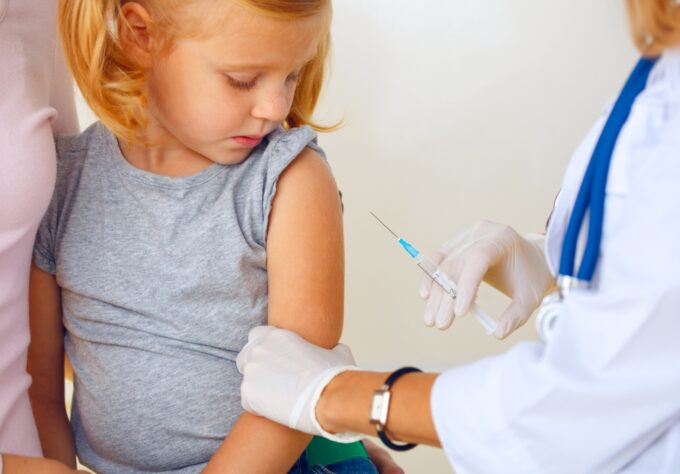
Back-to-school is approaching fast. If you’re like many parents, that means back-to-school physicals and possibly vaccines or blood draws for your kids too. For some families, this topic makes kids and parents alike cringe. We know the critical importance of vaccinations, but it doesn’t make it easier on a child who is frightened of needles, or on parents as they watch their kids squirm, scream, and cry in anticipation of the shot or needle. Thankfully, research doesn’t stop at the safety and efficacy of vaccines. Dr. Christine Chambers and Anna Taddio are well-known pediatric psychologists who study pain and have worked to get the message out publicly that pain management in kids is important and accessible, especially in the case of vaccine! The campaign, “It Doesn’t Have to Hurt” is an excellent resource for parents. Currently, fewer than 5% of kids receive any pain management during vaccines. It’s reassuring to […]

What is Powassan virus? | Karen Ravin, MD, Division Chief of Infectious Diseases, Nemours/AIDHC | Promise, powered by Nemours Children's Health

What is Powassan virus?

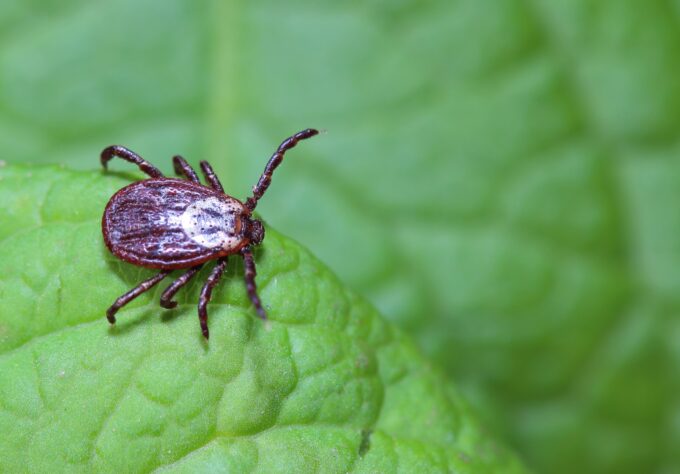
An unfamiliar tick-borne virus is making headlines this spring. What is Powassan virus and how worried should we be? Powassan virus is an extremely rare infection transmitted by a tick bite. Powassan can cause fever and vomiting, disorientation, seizures and brain inflammation and swelling. How common is Powassan? To say it is rare is an understatement. Since 2006, only 75 cases have been reported in the U.S., mostly in the Great Lakes region and New York State. One case was reported in Pennsylvania, three in New Jersey and none in Delaware or Maryland. The chances of contracting Powassan virus are about one in 50 million. Is it new? Powassan isn’t new. It was first reported in Canada in 1958. Recently, a toddler in Connecticut became ill with Powassan virus (the first case identified in that state). Reports were featured prominently in national media, raising awareness (and fear) of Powassan. In […]

Asthma Flare-Ups and Kids: What They Are, What You Can Do, Powered by Nemours Children's Health System

Asthma Flare-Up and Kids: What They Are, What You Can Do

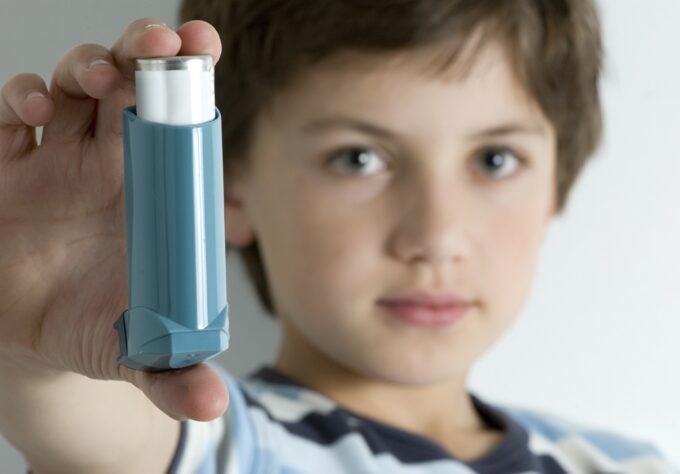
A recent survey by Nemours Children’s Health System, the Delaware Survey of Children’s Health (DSCH), showed that parents of 88 percent of children with asthma were educated by health professionals on how to recognize early signs or symptoms of asthma episodes in their child. Understanding what an asthma flare-up is and how to recognize the early signs or symptoms are key steps in improving the health of your child. Increasing the percentage of parents who are taught how to recognize their child’s early signs or symptoms of an asthma flare-up (also called an asthma attack) can help reduce the number of asthma-related hospital visits and improve the overall health of their child. What is an Asthma Flare-Up? During an asthma flare-up, the breathing tubes (also called bronchial tubes) in the lungs constrict — like a straw being squeezed — which triggers wheezing, coughing and tightness in the chest. Some kids […]

Vaccines Are Safe and Effective: One Pediatrician's Plea, by Michelle Karten, MD, Powered by Nemours Children's Health System

Vaccines Are Safe and Effective: One Pediatrician’s Plea

We live in a time of information overload. It’s impossible to open your computer or reach for your phone and not be surrounded by mountains of information. And with so much at our fingertips, it can be hard to know what is true and what is false. I understand the confusion that so many conflicting accounts can cause because I see it every day. But as a mother of two children I cherish, and as a pediatrician and champion of wellness, there is one thing that does not confuse me — the fact that vaccines are safe and save lives. When my first child was born, I cradled her in my arms and vowed to keep her safe. Since that time, I have worked hard to sustain her mind, body, and spirit with healthy habits. I’m fortunate to be a pediatrician who reads avidly, and is able to make sense […]

6 Common Pneumonia Questions Answered, by Kate Cronan, MD, Powered by Nemours Children's Health System

6 Common Pneumonia Questions Answered

Pneumonia is a very common illness in kids. In fact, an estimated 156 million cases of pneumonia are diagnosed worldwide each year — and that’s just in children younger than 5 years old, according to the World Health Organization (WHO). So here’s what you need to know about this infection that’s all too common around this time of year. 1. What is pneumonia, anyway? Simply put, pneumonia is an infection of the lungs. It causes fever, coughing and sometimes trouble breathing. The good news is that most kids with pneumonia can be treated at home, and they usually get better in 1 to 2 weeks. However, in some cases, babies and children with certain other medical problems can get sicker and may need to be admitted to a hospital while they get better. 2. Is there a pneumonia “season?” Your child may be more likely to get pneumonia after having a […]

Grape Juice to Treat Stomach Flu? by Jordan Smallwood, MD. Promise: Powered by Nemours Children's Health System

Grape Juice to Treat Stomach Flu? Not So Fast.

For generations, parents and families have relied on home cures for everything from colds to tummy aches and sleepless nights. Chicken soup, popsicles and warm milk have proven themselves over decades of use, and now they have company — grape juice. At least, that’s what the internet says. In recent months, tales of grape juice curing stomach flu have cropped up on parenting blogs all over the web. Here’s the idea: If you find yourself (or one of your family members) exposed to the stomach flu, but haven’t experienced symptoms yet, downing three glasses of grape juice will ward off the illness. Multiple sites claim that the grape juice can change the pH in the stomach, making it uninhabitable to stomach viruses. They also claim that the skins of the grapes have anti-viral properties. Is it true? Can grape juice really stop puke in its tracks? Is this the fix […]

Whooping Cough (Pertussis): 10 Things You Need to Know, by Kate Cronan, MD, Promise, Powered by Nemours Children's Health System

Whooping Cough (Pertussis): 10 Things You Need to Know

Around this time of year, there’s coughing practically around every corner. Kids are hacking away at the table next to you in restaurants. Fellow shoppers are barking down the grocery aisles. Most coughs are short-lived and more of a nuisance than anything. Others linger much longer and can be downright exhausting. One type of cough that can be especially concerning for parents is caused by pertussis (also called “whooping cough”). You probably already know that pertussis is a highly contagious bacterial infection of the airways. It spreads like other upper respiratory infections when an infected person coughs or sneezes. But here are 10 important pertussis tidbits you may not know that just might help you and your loved ones be better protected this season. 1. Whooping cough has been making a dangerous comeback in the past decade. In the United States, pertussis used to kill about 9,000 people each year, […]

Page 3 of 4

Page 3 of 4

Page 3 of 4