Illnesses & Infections | Nemours Blog | Pediatric News and Guidance From Our Experts

ARTICLES RELATED TO:
Illnesses & Infections

mother helping young child who is sick with parechovirus

Should Parents Worry About Parechovirus?

It may feel like viruses are in the news a lot these days. And perhaps you just heard about parechovirus (puh-REH-ko-veye-rus). Well, it turns out that parechovirus isn’t new! What Is Parechovirus? Parechovirus is a virus that’s been around for many years. Parechovirus infection is pretty common, especially in kids. Did you know that most kids get a parechovirus infection by the time they turn five years old? You probably weren’t even aware if your child has had a parechovirus infection. That’s because kids usually have no symptoms or just mild ones.  Parechovirus can spread when someone comes in contact with infected poop or infected droplets of saliva or mucus that come out in a cough or sneeze. It can also spread when someone touches a contaminated surface or object. Symptoms of parechovirus infection are like symptoms that come with other cold viruses, such as a sore throat, runny nose, […]


Wait No More: Nearly All Kids Can Now Get the COVID-19 Vaccine

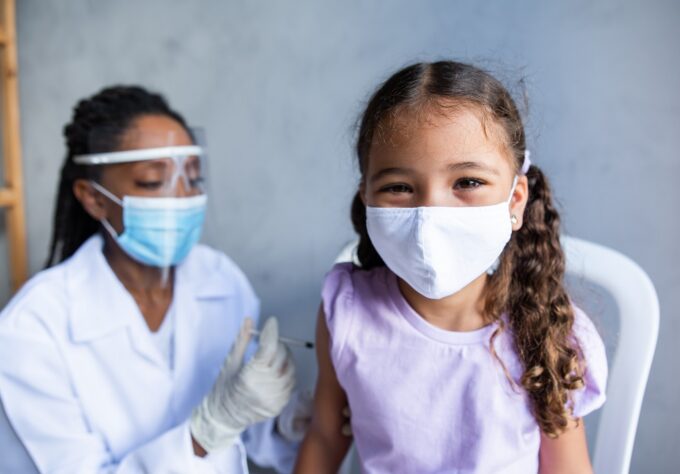
Many parents are breathing a sigh of relief that they can finally get their babies, toddlers, and preschoolers vaccinated against COVID-19. Two brands of the vaccine have now been authorized for children as young as 6 months old, so the little ones can now join the ranks of people ages 5 and up who have helped protect themselves. So does your young child really need a COVID-19 vaccine? After all, younger children often have milder illness when they get infected. The answer is a resounding “yes,” since many young children have had serious symptoms requiring hospitalization, and some have even died. Small children can even develop long COVID, with symptoms that bother them for a long time. Parents might also wonder why it took so long for the vaccines to be authorized for this age group. It took a long time to get the vaccines authorized for young children because […]

Is the Lower-Dose COVID-19 Vaccine OK for my Child?

Is the Lower-Dose COVID-19 Vaccine OK for my Child?

This week brought big news for kids and families. The Pfizer COVID-19 vaccine is finally authorized for kids ages 5 to 11 years. The vaccine has been studied in thousands of kids in this age group and has been found to be safe and effective. It is given as two shots, spaced three weeks apart. The main difference between the vaccine for kids younger than 12 and those older than 12 is the dose, which is lower for younger children than for teens and adults. Studies have shown that younger kids have very strong immune systems that react just as well to lower doses of certain vaccines. An added bonus of lower dosing is that it can result in fewer side effects following the vaccine (such as chills and fever). Parents Have Questions About Vaccine Dose The lower dosage for younger children has confused some parents. They might wonder whether […]

Breastfeeding and COVID

Breastfeeding and COVID-19

Breast milk is nature’s perfect food for a newborn. It contains the right amount of nutrients, immune-boosting antibodies, and is easily digested. Babies who are breastfed tend to have fewer bouts of diarrhea or constipation, less reflux, more protection against ear infections, pneumonia, and asthma, and a lower risk of Sudden Infant Death Syndrome (SIDS).  The benefits of breast milk seem to be endless. The American Academy of Pediatrics (AAP) recommends to start breastfeeding as early as one hour after birth and to continue exclusive breastfeeding for 6 months. They also recommend continuing breastfeeding even after solid foods are introduced, until at least 1 year of age.  Can You Breastfeeding If Positive for COVID-19? But what if you’ve tested positive for COVID-19? Is it safe to start or continue breastfeeding? While there are still so many unknowns when it comes to coronavirus, it’s widely known that you can spread COVID-19 to your infant through tiny […]

Covid-19: 5 Reasons Not to Let Your Guard Down Now

COVID-19: 5 Reasons Not to Let Your Guard Down Now

We have been living with COVID-19 for over a year. While there is a light at the end of this pandemic tunnel, we haven’t reached it yet. More than 30 million Americans have been infected with coronavirus, and the number of people getting infected each day is rising again. Experts are concerned about a new surge. With vaccines finally becoming widely available, it is tempting to leave the pandemic behind and get back to “normal” life. But public health and medical professionals say “not yet.” We need to keep our guard up just a little longer until it is clearer that we are winning the battle against coronavirus. Here are a few reasons why we still need to be cautious: Not enough people have been vaccinated yet. The vaccines available in the United States are safe and very good at preventing severe illness, hospitalization, and death from COVID-19. But only […]

COVID-19 Vaccine Q & A

COVID-19 Vaccine Q & A

New information is coming in every day about the COVID-19 vaccine. We know you have a lot of questions. Here is what we know right now. Q. How many COVID-19 vaccines are there? A. There are currently three COVID-19 vaccines authorized for use in the United States from three different manufacturers:  Pfizer, Moderna and Johnson & Johnson. There are differences between them, but all have been found to be highly effective against death and severe illness from COVID-19. Q. Could I get COVID-19 from getting a COVID-19 vaccine? A.  No, you will not get COVID-19 as the result of getting a COVID-19 vaccine. The vaccine does not contain “live” virus, so there is no risk of developing COVID-19 from getting the vaccine. Q. Is the COVID-19 vaccine recommended for women who are pregnant or breastfeeding? A.  Experts believe that the vaccine is unlikely to pose a risk to pregnant or breastfeeding women […]

Multisystem Inflammatory Syndrome (MIS-C) in Children

While some children and infants have been sick with COVID-19 and suffered complications from the virus, very few have been hospitalized, and adults still make up most of the known cases to date. However, there are still many unknowns about the virus and new information unfolds every day. Multisystem inflammatory syndrome in children (commonly known as MIS-C or PMIS) is a serious condition that has occurred in some children who have contracted COVID-19. This complication causes a significant inflammatory response in a child’s body that can cause a fever, abdominal pain, nausea, vomiting, diarrhea, rash, and signs of shock. MIS-C typically presents several weeks after a COVID-19 exposure or infection. Know the Signs of COVID-19 The symptoms of COVID-19 are similar in children and adults. However, children with confirmed COVID-19 have generally shown mild symptoms such as fever, shortness of breath and cough. Abdominal pain, vomiting, diarrhea and headache have […]

Expert Question and Answer

Expert Q&A: Kids and COVID-19

During this Q&A session, pediatric cardiologists Gul Dadlani, MD, and Deepika Thacker, MD, answer questions from parents about kids and COVID-19. While COVID-19 transmission rates in children have been lower than adults, it can still be significant for your child. Symptoms are typically milder in children, and children can also be asymptomatic. Q: How will the COVID-19 variants affect children? A: Multiple variants of the virus are circulating globally. The UK variant (B.1.1.7) is reported to be more contagious and serious. Cases caused by the South African variant (B.1.351) and Brazilian variant (P.1) were reported in January 2021. There have been no signs of more serious disease in children caused by these variants yet, but only time will tell. Visit cdc.gov to stay up to date on the latest information about variants of the virus that causes COVID-19. Q: Why are the rates rising in kids? A: As rates of COVID-19 cases […]

COVID-19: Are teens super-spreaders?

COVID-19: Are Teens Super-Spreaders?

SARS COV2 PCR: DETECTED! This is a lab result no one wants to get. If teens test positive for COVID-19, whatever semblance of normality they may have, such as in-person school or after-school sports, vanishes instantly. For typical teenagers, “temporary” is not in their mindset. Their adolescent brains are still developing and they may still believe that what happens today will last forever. Teens may feel that being forced to quarantine is punishment. Teens may not recognize that they have COVID-19 since symptoms may be mild or absent. If they do have symptoms, they may not tell anyone as they do not want to face the consequences of a positive test. Some teens may choose not to reveal their contacts; contact tracing could result in family, coaches, teachers, and peers also requiring testing and possible quarantining. In the November issue of Pediatric News, Margaret Thew, DNP, FNP-BC stated that some […]

Cancer During COVID: David's Story

David’s Story: Battling Cancer During COVID-19

David came into our life on March 12, 2019. A beautiful baby boy, David was the perfect addition to our family of now four. In the first months, everything was normal. David was growing fine and hitting each of his milestones. Until one November week, when David wasn’t his normal cheerful 8-month-old self. At first, we blamed it on the antibiotics he had just started a few days prior to treating a “scalp infection” we thought he had. My gut kept telling me something was wrong; this was not the side effect of the antibiotics. David was pale, his stomach was bloated and he refused to eat. We rushed him to the nearest emergency room where they ran blood tests, ultrasounds, X-rays, etc. It was after all the tests came back that the emergency doctor came in to tell us his blood test results. “Your son has cancer.” How did […]

Page 2 of 4

Page 2 of 4

Page 2 of 4