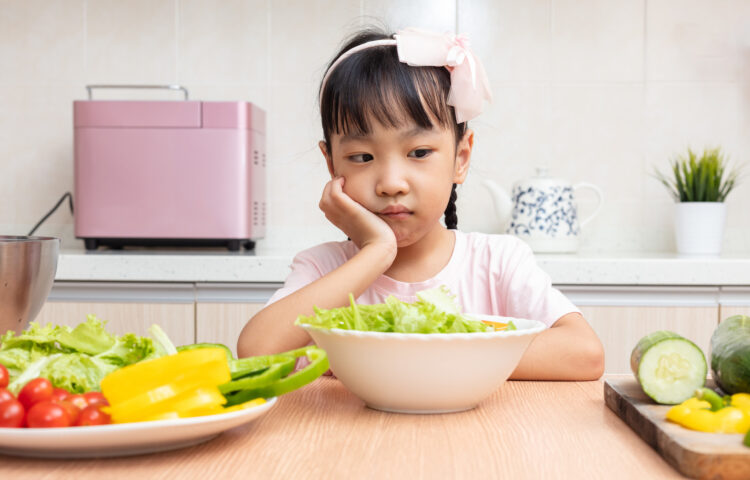
Fresh fruits and vegetables usually have good publicity. They’re the foods pediatricians, dietitians and public health experts have spent decades encouraging families to eat more often. Parents are told to fill lunchboxes with berries, add vegetables to dinner plates, and keep healthy snacks within reach. That’s why produce-related outbreaks can feel especially unsettling.
Over the past several weeks, headlines about a cyclosporiasis outbreak linked to fresh produce have left many families wondering whether the foods they’re trying to eat more of are suddenly the foods they should avoid.
If you’ve found yourself looking at a salad a little differently lately, you’re not alone.
But before you swear off fresh produce for the rest of the summer, it helps to understand why outbreaks like this happen — and why the answer isn’t as simple as “stop eating vegetables.”
Why Produce Outbreaks Feel Different
When a frozen food product is recalled, most people don’t rethink their entire diet. When fresh produce makes headlines, the reaction is often different. Part of that is because fruits and vegetables occupy a unique place in our minds. We associate them with health. They’re the foods we’re encouraged to eat more of, not the foods we expect to see connected to a foodborne illness outbreak.
There’s also the fact that many fruits, vegetables, and herbs are eaten raw. Unlike foods that are cooked before serving, fresh produce often doesn’t go through a final step that can reduce or eliminate harmful germs before we consume them.
But that doesn’t mean produce is unsafe. It means that fresh foods come with different food safety challenges than foods that are heavily processed or cooked before eating. In fact, produce-related outbreaks aren’t new. Over the years, investigations have linked various outbreaks to leafy greens, herbs, melons, berries, and other fresh foods. The current Cyclospora outbreak is simply the latest reminder that healthy foods and food safety concerns are not mutually exclusive.
If washing produce is important, why isn’t it enough?
One of the most common pieces of food safety advice is also one of the most misunderstood.
Yes, you should wash your fruits and vegetables.
No, washing isn’t a guarantee.
Many people assume that food contamination happens in the kitchen and that a thorough rinse solves the problem. In reality, contamination can occur long before produce reaches a grocery store shelf.
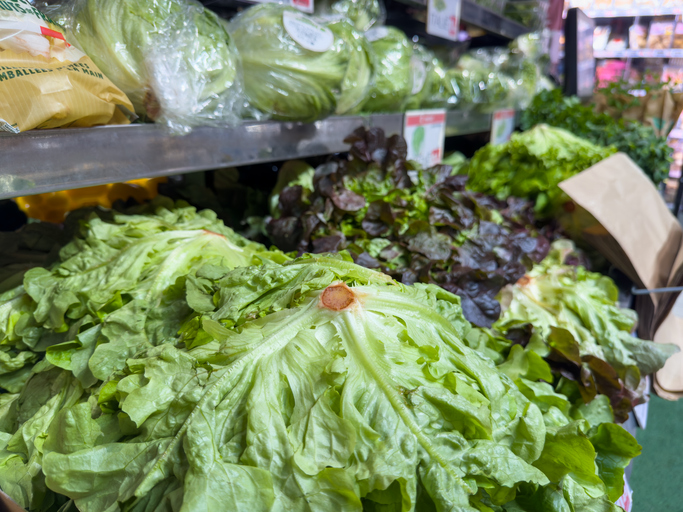
Growing conditions, irrigation water, harvesting practices, packing facilities, transportation and food handling can all play a role in food safety. By the time a cucumber, head of lettuce, or container of berries arrives in your kitchen, part of the story has already been written.
Washing produce under running water can help remove dirt and reduce some contamination, which is why it’s still recommended. But it’s best viewed as one layer of protection rather than a perfect solution. That’s not a reason to stop washing produce. It’s a reminder that food safety starts long before a parent is standing at the sink.
Food Safety Steps Families Can Take Right Now
The good news is that the most effective food safety practices haven’t changed.
- Wash fresh produce under running water before eating or preparing it.
- Pay attention to recalls and public health alerts if specific foods are identified during an investigation.
- Wash your hands before handling food and avoid cross-contamination between raw foods and ready-to-eat foods.
- Consider cooking produce when possible. Unlike washing, which may not fully remove Cyclospora, heating produce to at least 158°F (70°C) can kill the parasite.
Most importantly, keep fruits and vegetables on the menu.
That’s worth repeating because it’s easy to lose sight of in the middle of a news cycle.
The foods making headlines today are the same foods associated with fiber, vitamins, minerals, and long-term health benefits. Millions of servings of fresh produce are consumed safely every day.
Cyclospora and Produce Safety: The Takeaway
Foodborne illness outbreaks can make healthy foods feel suddenly suspicious.
The current Cyclospora outbreak is a reminder that food safety is more complex than many of us realize. Washing produce helps, but it’s only one piece of a much larger system. While investigators continue working to better understand the source of the outbreak and prevent additional cases of cyclosporiasis, there are still practical steps families can take to reduce risk.
At the same time, an outbreak linked to fresh produce doesn’t mean families should abandon the habits that support good health.
Your salad made the news.
That doesn’t mean it stopped being good for you.
If you have concerns about food poisoning or think your child may be sick after eating contaminated food, contact your pediatrician for guidance.
For the latest information about the ongoing Cyclospora outbreak investigation, visit the CDC’s website.