The menstrual cycle is very sensitive; both emotional and physical changes, like those that we have seen during the pandemic, can upset it.
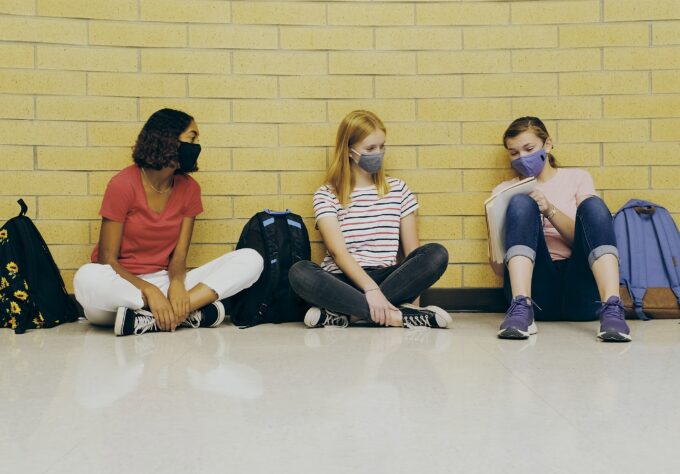
The menstrual cycle is very sensitive; both emotional and physical changes, like those that we have seen during the pandemic, can upset it.

Did you know that winter months are peak time for fire-related deaths? In the event of a fire, you may have as little as two minutes to escape. Home and apartment fires can start and spread quickly. It is important to create a fire escape plan and practice it regularly with your family. Create a Fire Escape Plan The best way to start planning a fire escape plan according to the National Fire Protection Association (NFPA) is to draw a map of your home or apartment showing all doors and windows. The NFPA says families should: Plan two ways to escape from each room. Make sure all doors and windows leading outside open easily. Identify secondary routes: a window onto an adjacent roof or a collapsible ladder from a second-floor window. If you live in a multi-story building, plan to use the stairs – never the elevator. Designate an outside meeting […]

It’s hard to believe that we are about to start our third pandemic year. We had all hoped that by now COVID-19 would be a thing of the past and life would be getting back to normal. Instead, a variant called omicron is quickly spreading. Lots of people are getting infected from this new variant, and hospitals are filling up. Many people are feeling frustrated and defeated. If you are one of them, it might be tempting to give in and just drop your guard completely. After all, lots of people are saying that the symptoms of omicron are usually mild, and it feels like everyone will eventually get COVID-19 anyway, right? Not so fast. There are a few important things to consider. If everyone gets sick at the same time, lots of people will need the hospital at once. That isn’t safe. The more crowded the hospitals are, the […]

There is no doubt that the COVID-19 pandemic has brought about many changes and challenges. Adjusting to new routines and schedules can make it difficult to maintain healthy habits. Remote learning and working from home can impact structure around meals and other activities. While technology has made many things possible in this transition, it has led to increased screen time for many children and families. It’s time to think outside the box and find new and creative ways to unwind and spend time together at home. These strategies are great to keep in mind during colder months at home as well! Nutrition Nutrients such as vitamins, minerals, and protein help to boost your immune system and help your body fight against illness. Minimizing processed foods, high sugar, and fat can also help keep your immune system strong. Higher amounts of sugar and saturated fats (found in high-fat meats and dairy, […]

The media is full of news about omicron, a new coronavirus variant. A variant is a version of the virus that is a little different from the original virus. Variants can look different or behave differently from the original virus. For example, they can differ in how contagious they are, how sick they make people, and how they respond to vaccines and medicines. We are still learning about how the omicron variant differs from the coronavirus that we are already familiar with. While we wait for health experts to study the data about omicron, some parents are wondering whether they should vaccinate their child as soon as possible, or whether they should wait and see how things develop with this new variant. What Do We Know? The answer is that all children ages 5 and older should get fully vaccinated against COVID-19 as soon as possible. Here is why we […]

Kids tend to gain more weight during extended breaks from school, like over the summer. We’ve seen a similar trend when COVID-19 restrictions were in place. A recent report from the Centers for Disease Control and Prevention (CDC) showed kids gained weight more quickly during the early months of the pandemic as compared to the previous year. There are many reasons why, but it seems without the structure of school many kids eat more and move less. The COVID-19 pandemic really messed up our daily routines. School closures, remote work, and stay-at-home orders meant going to bed later, eating at different times, snacking more, being less active, and spending more time in front of screens. This fall, things started to get back to normal as children returned to school and other activities. But just as we have gotten back into our routines, here come the holidays. Holiday weight gain is […]

As the holidays approach, you might have mixed feelings. On the one hand, who isn’t excited about gathering with family and friends for traditional holiday meals and celebrations? On the other, the COVID-19 pandemic is not over, and you might be worried the coronavirus will spread even more as people gather for festivities. Fortunately, you and your family members can reduce the risk of getting infected with coronavirus. Virtual gatherings are still the safest way to get together. But if your family will be meeting other families in person this year, the CDC has provided tips for keeping safe as we celebrate: Get vaccinated. The best way to protect people both young and old from getting very sick or even dying from COVID-19 is to vaccinate everyone who is eligible. This includes everyone ages 5 and up. And for people over 18 who are already fully vaccinated, a booster shot […]

Infantile spasms (IS) is a rare, but serious type of seizure associated with a unique, very abnormal brain wave pattern that can have a catastrophic effect on a young, developing brain. What do these seizures look like? These seizures can be subtle and consist of repetitive movements occurring in clusters. These movements are brief and consist of head drops or head bobs with brief jerks followed by flexion or extension in the child’s extremities. The eyes may widen and roll up. How are they different from sudden startles? These seizures typically occur in clusters of repetitive movements, often when the child is waking up from sleep. After these clusters, the child may cry or become irritable. What are other symptoms that I may see? At times, the child may cease to make further developmental gains, or have regression in their developmental milestones. What age does Infantile Spasms tend to occur? At any […]

With the Pfizer COVID-19 vaccine approved for ages 5-11, there are going to be a lot more young and brave individuals stepping up to receive their shots. But what about those who have trouble with the thought of coming face to face with a needle? Even though it may seem scary, the more people that receive the vaccine, the closer we get to herd immunity. Here are some tips and tricks to ease the fear of needles. Distract yourself while you’re waiting. Bring along a game, book, music, or movie — something you’ll get completely caught up in so you’re not sitting in the waiting room thinking about the shot. Some doctors’ offices schedule “shot clinics” where they do nothing but give shots so the wait time is shorter. Concentrate on taking slow, deep breaths. Breathe all the way down into your belly. Deep breathing can help people relax — and concentrating on […]

Smoothies can be an easy and fun way to incorporate various foods into your child’s diet. Understanding the potential benefits of smoothies, how to prepare them, and when and how to incorporate them can make an enjoyable and healthy option for the whole family! Benefits of Smoothies There are several reasons you may choose to incorporate smoothies into their child’s daily or weekly routine. A few nutritional benefits to smoothies can include: Increased variety of fruits and vegetables: Sometimes children will accept a wider variety of fruits and vegetables in a blended form more than they will in the whole food form. It is still important to continue to expose your child to the whole food form on a consistent basis even if they are consuming the fruit/vegetable in the smoothie. Boost of vitamins, minerals, and antioxidants: Smoothies often combine several fruits and vegetables in one recipe giving a […]
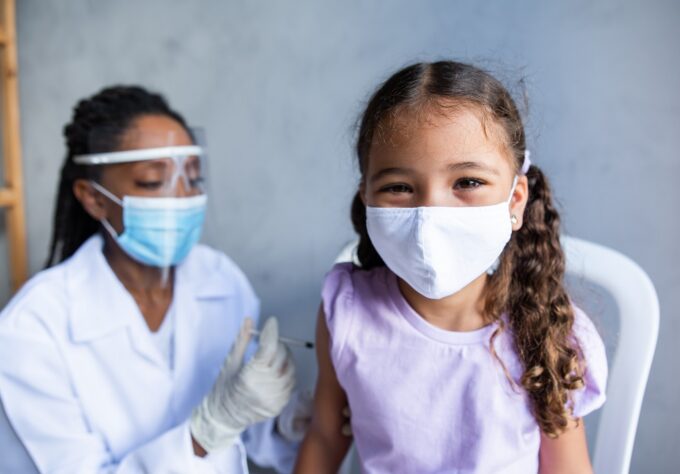
This week brought big news for kids and families. The Pfizer COVID-19 vaccine is finally authorized for kids ages 5 to 11 years. The vaccine has been studied in thousands of kids in this age group and has been found to be safe and effective. It is given as two shots, spaced three weeks apart. The main difference between the vaccine for kids younger than 12 and those older than 12 is the dose, which is lower for younger children than for teens and adults. Studies have shown that younger kids have very strong immune systems that react just as well to lower doses of certain vaccines. An added bonus of lower dosing is that it can result in fewer side effects following the vaccine (such as chills and fever). Parents Have Questions About Vaccine Dose The lower dosage for younger children has confused some parents. They might wonder whether […]

As toddlers and preschoolers begin to speak more, they might stumble over their words or have problems with enunciating certain sounds. That being said, how do you know if your child is having typical speech problems, or experiencing something more than just the common stumble over their words? What is stuttering? Many young kids go through a stage between the ages of 2 and 5 when they stutter. This might make them: repeat certain syllables, words, or phrases prolong them stop, making no sound for certain sounds and syllables Stuttering is a form of dysfluency (dis-FLOO-en-see), an interruption in the flow of speech. What Causes Stuttering? Doctors and scientists aren’t completely sure why some kids stutter, but most believe that a few things contribute to it, such as: a problem with the way the brain sends messages to interact with the muscles and body parts needed for speaking. Genetics, kids who stutter […]
Page 8 of 27