Services & Specialties | Nemours Blog | Answers From Pediatric Health Experts

ARTICLES RELATED TO:
Services & Specialties

Curve Alert

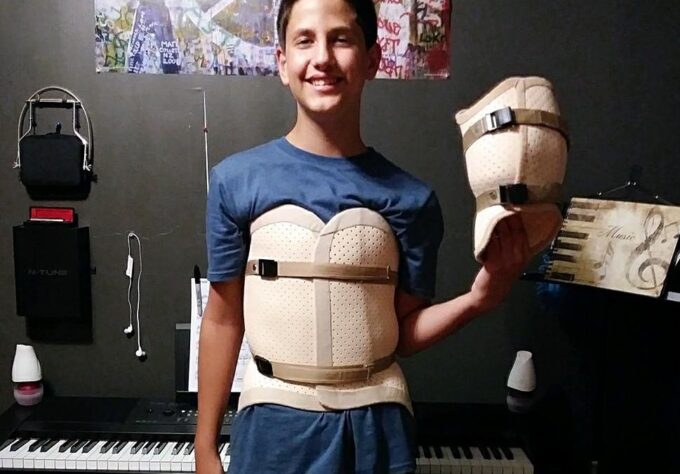
Curve Alert: Don’t Miss That Scoliosis Screening

Because of the COVID pandemic, you may be putting off visits to your child’s pediatrician. But a missed well visit could mean missing a scoliosis screening. What is scoliosis? Scoliosis is an S-shaped curve in the spine.  It is a condition that occurs equally in boys and girls; however, the curve tends to increase more often in girls. Small curves usually don’t cause problems. But large curves can cause health problems like pain or trouble breathing. What causes scoliosis? The most common form of scoliosis is idiopathic which means “cause unknown.” Kids of any age — even infants — can have idiopathic scoliosis. But it’s usually found when a child begins going through puberty. How do you know your child might have scoliosis? Most often, parents, pediatricians or school nurses may notice one or more of the following signs of scoliosis: One shoulder blade more prominent Ribcage is shifted to one […]


Cancer During COVID: David's Story

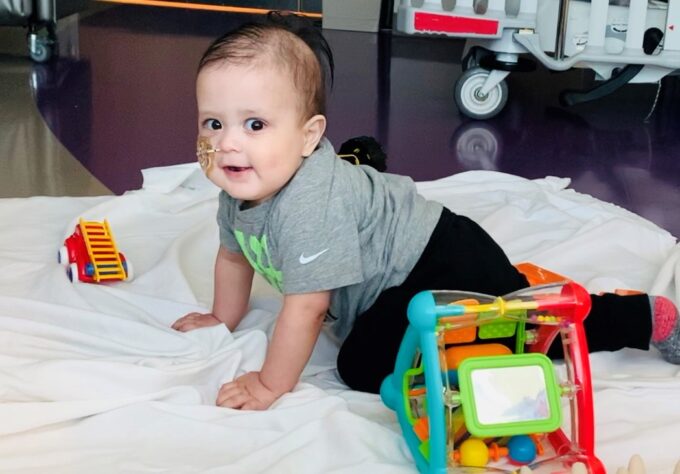
David’s Story: Battling Cancer During COVID-19

David came into our life on March 12, 2019. A beautiful baby boy, David was the perfect addition to our family of now four. In the first months, everything was normal. David was growing fine and hitting each of his milestones. Until one November week, when David wasn’t his normal cheerful 8-month-old self. At first, we blamed it on the antibiotics he had just started a few days prior to treating a “scalp infection” we thought he had. My gut kept telling me something was wrong; this was not the side effect of the antibiotics. David was pale, his stomach was bloated and he refused to eat. We rushed him to the nearest emergency room where they ran blood tests, ultrasounds, X-rays, etc. It was after all the tests came back that the emergency doctor came in to tell us his blood test results. “Your son has cancer.” How did […]

Expert Question and Answer

Expert Q&A: Ear Tubes

Dr. Steven Andreoli and Dr. Gary Josephson discuss and answer viewers’ questions about ear tubes.

Trouble Breathing During Exercise -- It’s Not Always Asthma, Powered by Nemours Children's Health System

Breathing Trouble During Exercise — It’s Not Always Asthma

What Is Vocal Cord Dysfunction? When a pre-teen or teenager experiences trouble breathing while exercising or playing a sport, many doctors and parents are quick to diagnose the child with asthma. But in some cases, it’s not asthma at all — it’s vocal cord dysfunction, a condition that occurs when the vocal cords do not open correctly. The symptoms of the condition are very similar to asthma, with a child experiencing difficulty breathing or coughing and wheezing. The difference, however, is that vocal cord dysfunction doesn’t improve with a rescue inhaler or a prescription steroid. And for some children, the condition is never diagnosed because, frustrated and distressed, the child quits the activity. But the good news is that vocal cord dysfunction can be diagnosed and treated with the correct therapy. Understanding the Symptoms “Children with vocal cord dysfunction often describe tightness as you’d find in asthma, but opposed to […]

Chest Pain in Teens: When to Worry

Chest Pain in Teens: When to Worry

Few things can cause a parent’s heart to stand still like having a teenage child complain of chest pain. Unfortunately, it’s a common complaint. According to national data from 2016, people aged 15 to 24 years comprise 14.2% of all emergency room visits and chest pain is one of the top diagnoses. Causes of Chest Pain Many people have experienced chest pain, and a variety of words are used to describe it, ranging from dull to squeezing. There are equally as many causes, the most serious of which usually involve the heart or lungs. Luckily, in teenagers, the most serious are not the most likely. Frequently, the cause of chest pain in teens is chest wall pain. The chest wall includes the skin, fat, muscles, and bones that form a protective structure around the heart, major blood vessels, lungs, and esophagus. The bones in the chest wall include the ribs, sternum (breastbone), […]

8 Common Running Injuries

8 Common Running Injuries

Running is a sport that can be done all year long. For many young athletes, running is their after school sport of choice. Runners can compete in the fall, winter and spring in cross country, run indoor/outdoor track, and train in the summer. Whether a student is running throughout the year or during a specific season, all are prone to running-specific injuries. Shin Splints One of the most common injuries for runners are shin splints, caused by inflammation in the tissues, tendons, and bones in the shin (tibia). This overuse injury can be due to new or increased training. Pain along the tibia is associated with shin splints, as well as sharp or dull and throbbing pain and mild swelling. The pain can last both during and after running, and the area hurts to touch. People with flat feet or worn-out or improper footwear are more prone to shin splints. […]

Dining out with diabetes

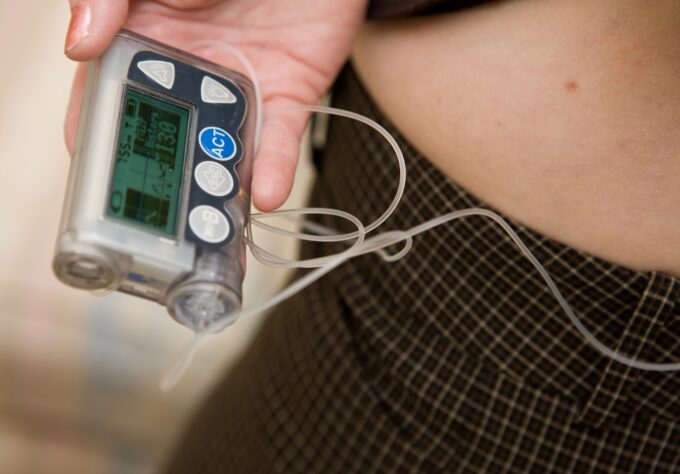
Dining out with Diabetes

Dining out is a fun, cultural and social affair that everyone should be able to take part in, including people with diabetes. It can seem daunting for those who need to count carbohydrates and administer insulin. But with preparation, guidance, and practice, dining out with diabetes can become a smooth process! Below are tips for before, during, and after dining to help ensure an enjoyable experience. Before: There is no need to change the types of restaurants frequented. Continue visiting your favorite ones and do not feel limited to ones that offer “healthier” options. In time, you may develop a list of preferred locations due to the helpfulness of staff and information made available by the restaurant. Search for the restaurant’s website online and see if the menu and nutritional information are available. If there is no restaurant website, try calling the restaurant and asking for the same information. If […]

Anthony’s Scoliosis Journey

This post was written by Anthony’s mom, Debbie.  “Something was Different” Anthony was about six months old when I started to notice something was different about his back. He would roll over and try to sit up and there was an obvious bulge/curvature in his spine. I took him to my pediatrician who told me there wasn’t anything to worry about. He informed me that some children take a bit longer to sit up on their own. At this time, I had two-year-old twins at home and was very aware that children progress differently, but there was no overlooking the curve of his spine. Unhappy with that visit, I scheduled an appointment with a specialist at a hospital in Philadelphia, PA. Finally a Diagnosis Anthony was about a year old when he was diagnosed with infantile scoliosis. My family was with me in the room when the doctor put his […]

Taking Lessons from Crohn's Disease | Promise, powered by Nemours Children's Health System

Taking Life Lessons from Crohn’s Disease

Contributed by Darcy Galnor, whose daughter is a patient of Nemours Children’s Specialty Care, Jacksonville. The morning our daughter was diagnosed with Crohn’s Disease started like any other. We woke up as just a regular young(ish) couple with two kids, jobs and life’s typical stressors. (I guess maybe not entirely typical, unless taking our 5-year-old daughter for a colonoscopy is considered an everyday event). We’d been chasing the cause of her diarrhea for months, maybe even years. Dairy? Nope. Gluten? Nope. Strawberries (her favorite food)? Nope. As we sat in the waiting room, anxiously watching for the doctor to tell us the results, we attempted to distract ourselves with work. Both of us had tablets rested on our thighs, cell phones on the arms of our chaisr. My husband downing coffee. Me biting my nails. Then, the doctor appeared. “She has inflammation throughout most of her GI tract. We’ll wait […]

After 27 Years With Type 1 Diabetes, Here’s What I’ve Learned | Promise, powered by Nemours Children's Health System

After 27 Years With Type 1 Diabetes, Here’s What I’ve Learned

I celebrated my first National Diabetes Awareness Month in 1990. I was twelve years old, had just started seventh grade, and was very aware of Type 1 diabetes – I’d just been diagnosed with it. Aside from the distinctive smells of insulin and alcohol swabs, I don’t remember much about the time I spent in the hospital after my diagnosis, or about those first few months at home. I do, however, remember the sense of bewilderment that accompanied my family home from the hospital, and how uncertain we were about how our lives would proceed with a chronic condition to manage. If I could go back to that November, there’s so much I would tell my younger self about the reality of living with diabetes. Unfortunately, I can’t – so I’m sharing what I’ve learned here. Don’t panic. It’s true that diabetes can (and will) infiltrate every part of your […]

Page 28 of 30

Page 28 of 30

Page 28 of 30