
Does this story sound familiar? Your child just ate lunch and is going about their day when symptoms suddenly hit. They feel bloated and gassy, their stomach starts to cramp, and they may even experience diarrhea or constipation. You see how these symptoms disrupt their day, but nothing you’ve tried seems to help.
For many children and teens with irritable bowel syndrome (IBS) or other dietary sensitivities, certain carbohydrates can cause more trouble than they’re worth. The low FODMAP diet for beginners can help calm this digestive discomfort by identifying which foods may trigger symptoms. Learn how to help your child feel more comfortable and confident around food.
What are FODMAPs?
In 2005, researchers in the Department of Gastroenterology at Monash University in Melbourne, Australia identified a group of short-chain carbohydrates found in food that are either poorly absorbed in the small intestine or impossible to digest. The team named these carbohydrates FODMAPs, an acronym which stands for:
- Fermentable
- Oligosaccharides (fructans, galacto-oligosaccharides)
- Disaccharides (lactose)
- Monosaccharides (fructose)
- And
- Polyols (sorbitol, mannitol)
These carbohydrates are naturally found in many healthy foods, including fruits, vegetables, grains, and dairy products. Many people can digest them without issue. However, for people with IBS or chronic digestive symptoms, FODMAPs can cause problems.

Why do FODMAPs cause digestive issues?
According to the American College of Gastroenterology, FODMAPs affect digestion in three main ways:
- Poor absorption – The small intestine can’t absorb FODMAPs well, so they are not broken down and pass into the large intestine.
- Fermentation – The large intestine contains bacteria that ferment FODMAPs, which is a process that makes a lot of gas.
- Water retention – FODMAPs pull water into the large intestine.
Together, these can lead to the familiar symptoms of bloating, gas, stomach pain, cramping, diarrhea, and constipation.
What is the low FODMAP diet, and how can it help?
The low FODMAP diet is exactly what it sounds like: a diet that consists of foods low in FODMAPs. There are three phases to the low FODMAP diet instructions that will help you identify which foods are triggering your child’s digestive symptoms.
Phase 1: Elimination
Remove as many high FODMAP foods as possible from your diet for 2–6 weeks. Your gut will have a break, and your symptoms should improve. This part of the diet should not be used long-term or permanently.
Phase 2: Reintroduction
Gradually reintroduce high FODMAP foods into your diet. Give each new food 2–3 days before trying another food. If your symptoms return following reintroduction of a certain food, then you know that food is a trigger. Different people may have different trigger foods.
Phase 3: Personalization
Once you have reintroduced all high FODMAP foods and identified which ones bother your stomach, you can personalize your diet to contain as many foods as possible while avoiding your specific triggers. The goal is to maintain a balanced diet with as few restrictions as possible. You should only limit foods long-term if you know they trigger your symptoms.

The Monash University Department of Gastroenterology is still working to explore the role of FODMAPs and its impact on the most common gastrointestinal disorder, IBS. They offer comprehensive FODMAP diet resources and tools including a FODMAP diet list of foods, IBS friendly foods, low FODMAP meal planning, and more.
What foods are high in FODMAPs?
There are high and low FODMAP foods in every food group. Knowing which foods fall into each category can help you identify potential triggers and make informed daily choices. Use this quick guide to determine which foods are high in FODMAPs and which foods are low in FODMAPs.
Fruits
Fruits vary widely in their FODMAP content, largely depending on their fructose and polyol levels.
High FODMAP Fruits
Apples, cherries, mangoes, nectarines, peaches, pears, plums, watermelon
Low FODMAP Fruits
Cantaloupe, kiwis, strawberries, pineapples, oranges, grapes, blueberries, unripe bananas
Vegetables
Many vegetables contain FODMAPs such as fructans or mannitol, though tolerance often depends on portion size.
High FODMAP Vegetables
Artichokes, asparagus, cauliflower, garlic, onions, peas, snap peas, mushrooms
Low FODMAP Vegetables
Carrots, spinach, eggplants, green beans, bell peppers, bok choy, cucumbers, lettuce, potatoes, tomatoes, zucchini

Dairy and Protein
Dairy and protein foods can contain FODMAPs depending on factors such as lactose content, added ingredients, and how the food is processed.
High FODMAP Dairy and Protein
Milk, ice cream, soy milk, yogurt, sweetened condensed milk, soft cheeses, beans, legumes, processed meats
Low FODMAP Dairy and Protein
Almond milk, brie, feta, hard cheeses, lactose-free milk, eggs, firm tofu, poultry, meats, seafood, fish
Grains and Nuts
Grains and nuts vary in their FODMAP content, with some containing fructans or galacto-oligosaccharides that may trigger symptoms in sensitive individuals.
High FODMAP Grains and Nuts
Wheat, rye, barley, breakfast cereal, biscuits, cashews, pistachios
Low FODMAP Grains and Nuts
Corn flakes, oats, rice, quinoa, sourdough, macadamias, peanuts, pumpkin seeds, walnuts

Sweets
Sweets can be high or low in FODMAPs depending on the type of sweetener used, particularly those high in fructose or sugar alcohols.
High FODMAP Sweets
High fructose corn syrup, honey, sugar-free products
Low FODMAP Sweets
Dark chocolate, maple syrup, table sugar
What are the benefits of a low FODMAP diet?
If your child experiences regular gastrointestinal symptoms, you may see multiple benefits after completing a low FODMAP diet.
Less Bloating and Abdominal Pain
One of the most immediate benefits people notice is feeling less bloated and having less stomach discomfort. Because fewer FODMAP carbohydrates reach the large intestine, less gas is produced.
Regular Bowel Movements
By reducing excess water retention, your child’s stools can become more regular. You may notice less frequent diarrhea or an improvement in constipation. Your child may not need as many urgent bathroom trips.
Better Quality of Life
Digestive symptoms don’t just affect the body; they also affect your child’s emotional and mental well-being. Constantly having to deal with and worry about these symptoms can make school, sports, travel, and social activities stressful. Many people report that identifying their trigger foods helps them gain more confidence eating in public or with friends, feel less anxious around mealtimes, get better sleep, and improve their focus and energy.

Who should try a low FODMAP diet?
The low FODMAP diet is intended for people who are struggling with chronic digestive symptoms. It’s particularly helpful for people diagnosed with IBS. This diet is not meant for weight loss, detoxing, or long-term restrictions. People without regular digestive symptoms should not follow this diet. No matter what, it’s important to see your child’s pediatrician or pediatric GI specialist they have persistent bloating, gas, stomach pain, cramping, diarrhea, or constipation.
Low FODMAP Recipes
Lemon Herb Chicken with Roasted Vegetables
Ingredients:
- 2 chicken breasts
- 2 tablespoons olive oil
- Zest and juice of 1 lemon
- 1 teaspoon dried oregano
- 1 teaspoon dried thyme
- Salt and pepper to taste
- 1 cup carrots, sliced
- 1 cup zucchini, sliced
- 1 red bell pepper, chopped
Instructions:
- Preheat oven to 400°F (200°C).
- Mix olive oil, lemon juice, zest, oregano, thyme, salt, and pepper in a bowl.
- Place chicken and vegetables on a baking tray.
- Drizzle with marinade and toss vegetables gently.
- Bake for 25-30 minutes, until chicken is cooked through.
- Serve with rice or quinoa if desired.
Serves: 2-3
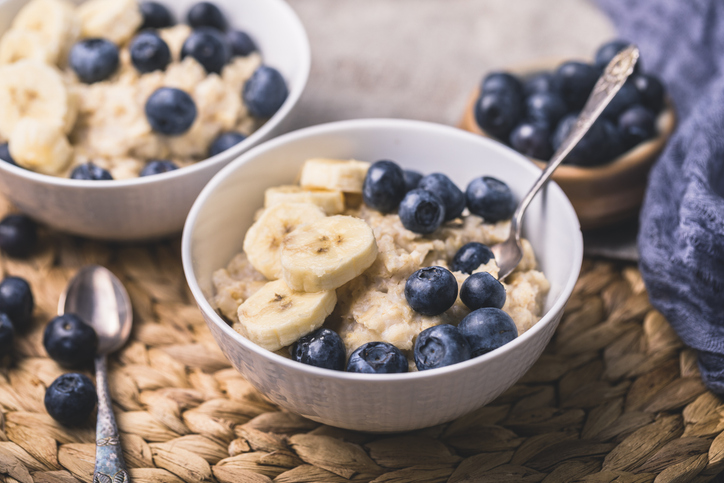
Blueberry Banana Oat Breakfast Bowl
Ingredients:
- ½ cup rolled oats
- 1 cup lactose-free milk or almond milk
- ½ firm banana, sliced
- ¼ cup blueberries
- 1 tablespoon chia seeds (optional)
- Maple syrup to taste
Instructions:
- Cook oats with milk according to package instructions.
- Top with banana, blueberries, and chia seeds.
- Drizzle lightly with maple syrup.
- Enjoy warm for a soothing start to the day.
Serves: 1
Written by: Jocelyn Dialectos, MD, a second-year pediatric resident at Nemours Children’s Hospital, Delaware.