Right now, there are new kindergarteners running off the school bus, bursting with pride to tell their families how caterpillars become butterflies. In class, their little hands shoot up in the air when the teacher asks what sound the letters “CH” make. “You’ve grown so much since you were a baby!” their pediatricians exclaim, smiling.
For other kids, the shift into a structured classroom isn’t so smooth. When lessons are hard to follow, they tune out. Following directions or cooperating with the other kids can be overwhelming, leading to emotional outbursts. Lunch can’t come soon enough—there wasn’t much to eat at home. Instead of rapidly learning new information, these kids are struggling to catch up.
Today, more than a third of U.S. children entering kindergarten are not academically, physically, socially, and emotionally ready to learn. That is not just an education problem—it is a health problem as well. Educational achievement is closely correlated with longer lifespan, greater lifetime earnings, and better adult health.
That is why Nemours Children’s Health has launched a major new effort to help more young children get kindergarten ready—and we are taking on the problem at multiple levels.
The Ginsburg Institute at Nemours Children’s is working with two specific communities near our hospitals—one in Wilmington, Delaware and another in Orlando, Florida—in an intensive, multipronged effort to get all children living there ready for kindergarten.
At the same time, the Ginsburg Institute and Nemours Children’s National Office of Policy and Prevention are marshalling additional kindergarten readiness supports for the patients we see in our clinics, the children in the communities we serve, and many others across the country.
Why would a health system get involved in early childhood education?
Nemours Children’s commitment to Whole Child Health recognizes that medical care is an important component of overall health, but so are the things that happen outside our walls in children’s homes, schools, and communities.
Educational success is a critical piece of that puzzle.
You can draw a direct line from success in school to better adult health and longer lifespan. That healthy trajectory goes all the way back to what happens during the first five years of life and how well a child is prepared for the first day of kindergarten: kids who enter the classroom well prepared are more likely to be strong readers by third grade, a pivotal time when learning to read becomes reading to learn. Proficient readers in third grade are more likely to graduate high school and attend college, get better-paying jobs, have better overall health, and live longer. In fact, the lifespan gap between the most and least educated Americans is more than a decade. (I shared more about this link between education and health in a previous blog post.)
What does it mean to be healthy and ready to learn?
Kindergarten readiness isn’t like back-to-school shopping; it doesn’t happen in one burst the week before. It happens across five years of nurturing, learning, and interacting with the world. Everything in a child’s physical and social world can help or hinder it, from the safety of their home and neighborhood to the food they eat to the interactions they have with adults.
As we began thinking about how to approach such a complex issue, we identified five key focus areas:
- Early Literacy
- Social and Emotional Well-Being
- Developmental Screening and Services
- Food, Nutrition, and Physical Activity
- Physical Health and Wellness
Nemours Children’s role is as a community quarterback for children’s health, joining dozens of partner organizations already doing great work—early learning centers, literacy advocates, food pantries, community leaders, and others—to achieve more together than they can alone, focusing on programs, policies, and community engagement.
Creating a Model for Kindergarten Readiness at the Neighborhood Level
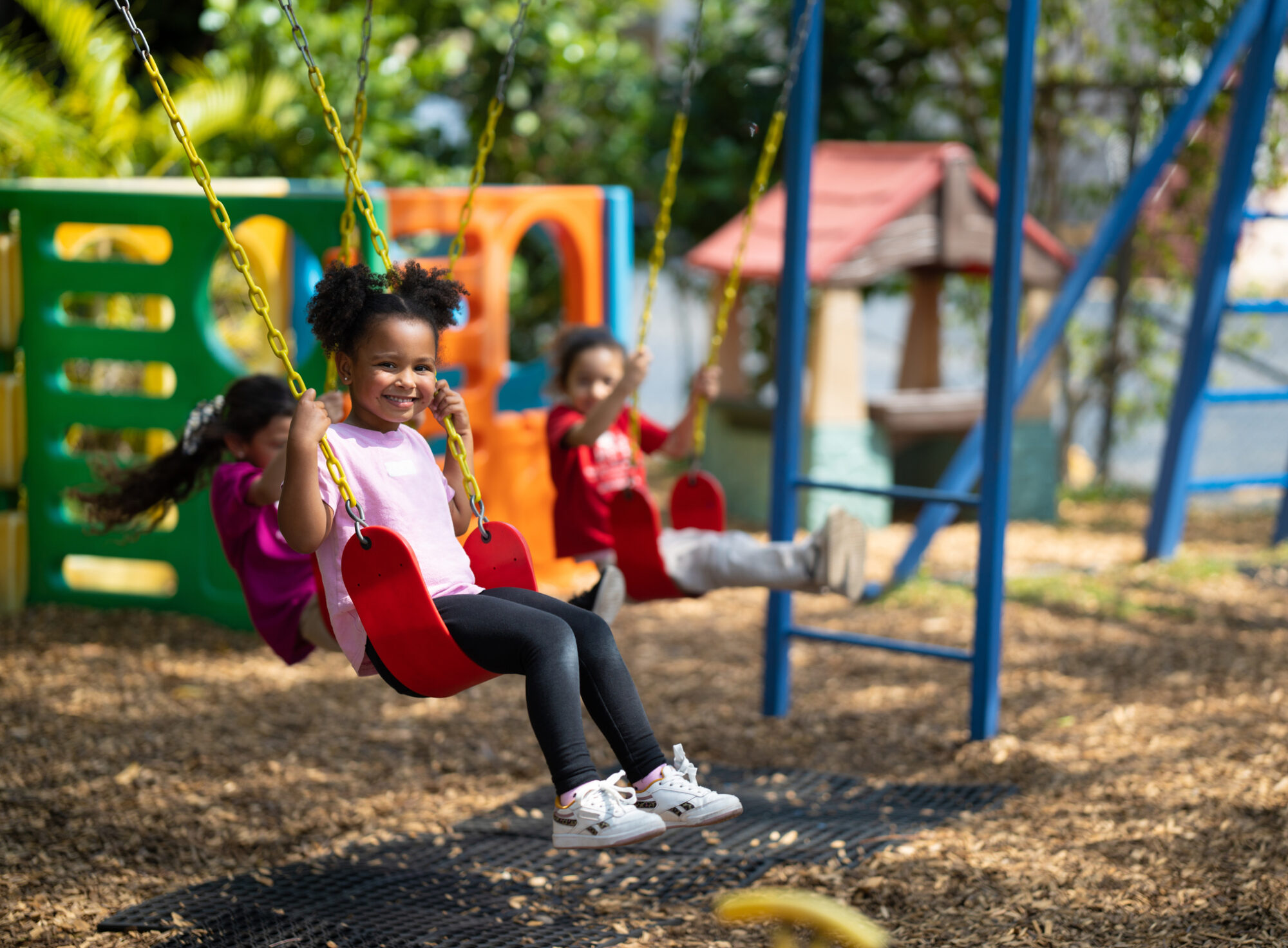
With a focus on two zip codes—19802 in Wilmington, Delaware and 32805 in Orlando, Florida—the Ginsburg Institute is working with over 50 different early childhood learning centers and more than three dozen community non-profits to get all the 4- and 5-year-old children living there ready for kindergarten.
Not just the ones who come to Nemours Children’s for their medical care: all of them.
Boosting kindergarten readiness at the community level requires addressing the problem from dozens of angles simultaneously.
For example, we are training early childhood educators in how to implement Nemours Children’s Reading BrightStart!, a curriculum proven to bring 2/3 of struggling readers up to grade level. We are also working with local libraries to get more families with young children signed up for library cards.
In Orlando, Nemours Children’s is leading free parent workshops to support their children’s development, with topics like helping kids manage their emotions, the power of play, and navigating screen time. In Wilmington, Teach Zen will be offering a social-emotional learning program in two childcare centers using music, movement, and mindfulness.
In Wilmington, Planting to Feed will be stocking refrigerators outside our partner early learning centers with free, nutritious food.
In Orlando, Nemours clinicians will be offering free vision and hearing screenings to children and referring them for any needed support. We are planning a similar screening program in Delaware. These are just a handful of the many ways Nemours Children’s and our partners are directly supporting young learners.
At the same time, we are connecting with groups already working to improve community conditions for all children and families living there.
By focusing diverse community resources on children in two very different locations and studying how educational outcomes change in response, Nemours Children’s is building a model for kindergarten readiness at the local level that can be replicated across the country.
Kindergarten Readiness for our Patients
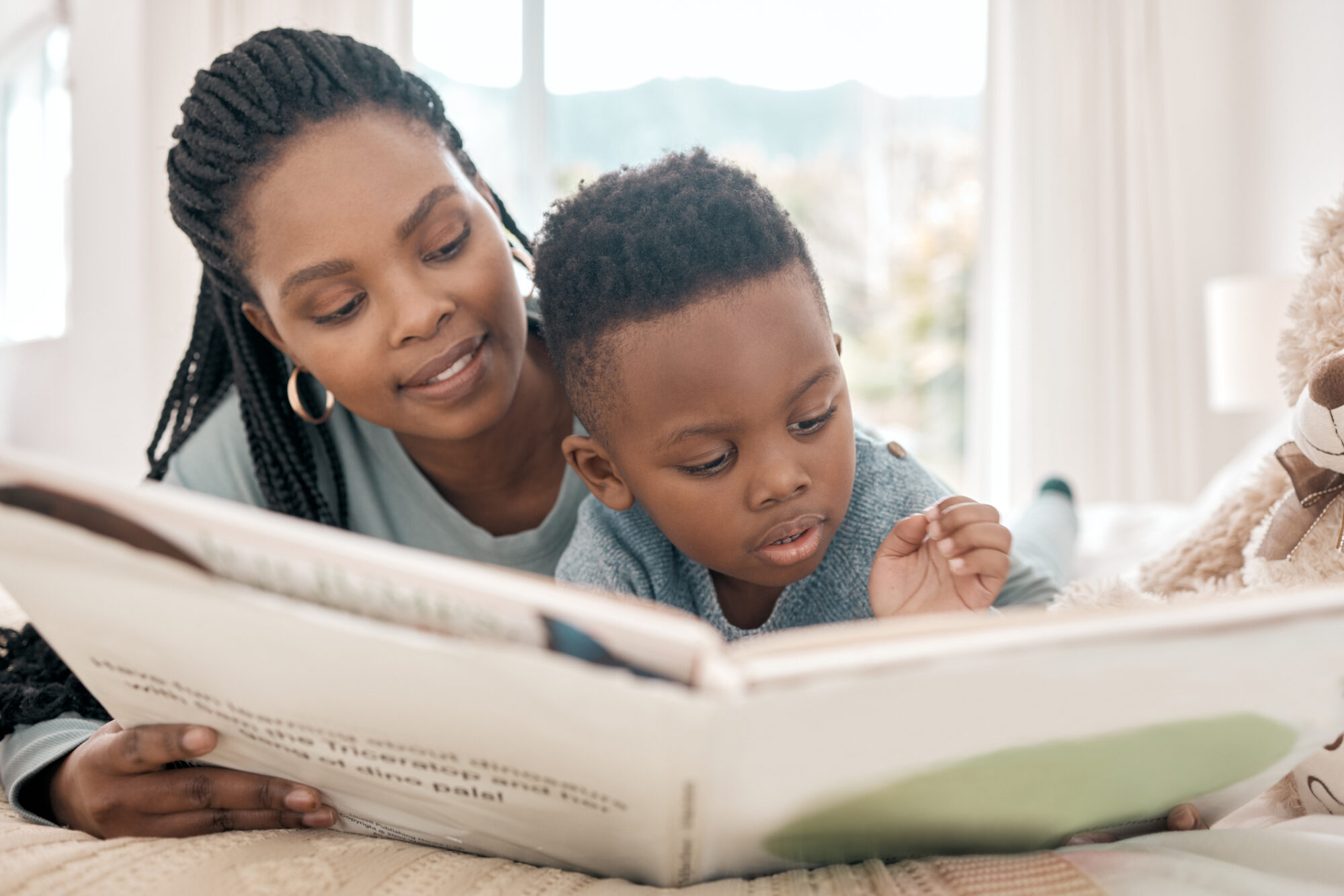
We are also fostering kindergarten readiness in our Nemours Children’s primary care patients. We are expanding the national Reach Out and Read program to all our primary care clinics, ensuring that each child from birth to age 5 receives a book with every well visit, and their parents receive information on the importance of reading together.
We also are focused on getting more of our youngest patients up-to-date with their well visits and developmental screenings, removing barriers to care where we find them. During these visits, we are asking families about their access to food, their housing stability, and violence in the home, connecting those who need help with resources in their communities.
Preparing children across our states and across America
At the state and national level, Nemours Children’s works with legislators and policymakers to advocate for laws and regulations that promote child health and education broadly. Each new or changed policy at a federal or state level can have profound impacts on millions of children.
In addition to expanding access to the Nemours Children’s Reading BrightStart! curriculum, our National Office leverages Healthy Kids, Healthy Future, a national initiative that helps early childhood educators incorporate healthy eating and physical activity into their curriculum using evidence-based strategies.
Every Child, Healthy and Ready to Learn
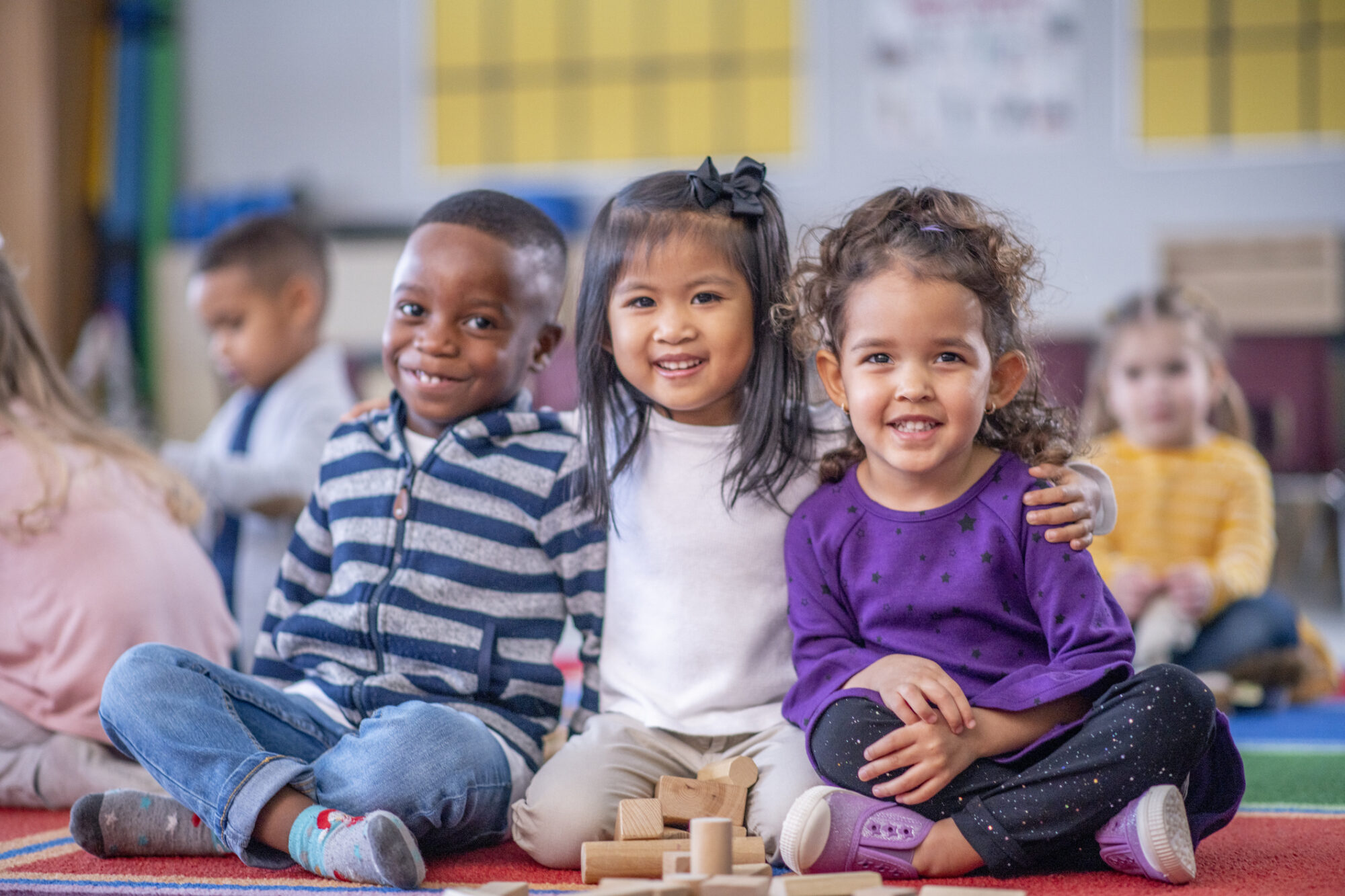
At the national, state, local, and neighborhood level, Nemours Children’s and its partners are committed to putting more children on the healthiest possible life trajectory.
Kindergarten readiness is where health and opportunity meet. A child arriving prepared on that first day is a child with a better shot at thriving and living a longer, healthier life.
This work is just getting started. We are identifying new partners, listening for unmet needs, and expanding what we can offer families in the years before school begins. But no health system, and no single organization, can do this alone.
If you are an educator, a community leader, a policymaker, or a parent, you have a role in this too. Kindergarten readiness is an investment in the future health, workforce, and economic strength of our communities.
No child should start school already behind. When we invest in children before they reach the classroom, we strengthen the foundation of lifelong health, learning, and opportunity for generations to come.