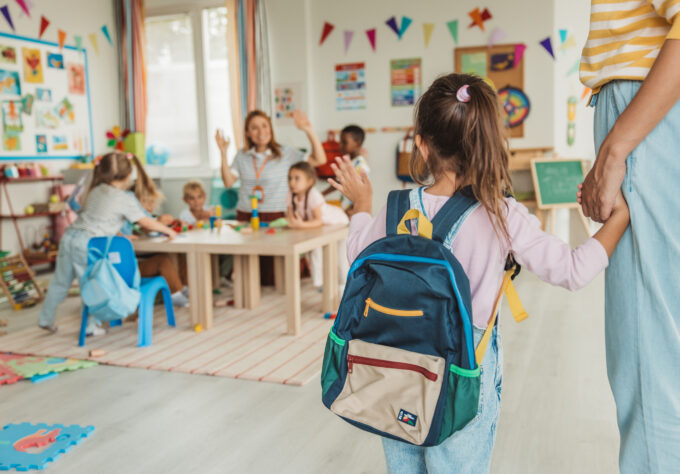
Long before a child picks up a book and begins to read on their own, the groundwork for reading success is already being laid. Early literacy doesn’t start with formal reading instruction; it begins with a child listening to the sounds of language, noticing print in the world around them, and discovering that their own marks on paper can carry meaning. These emerging abilities, from hearing the rhymes and rhythms in spoken words to making the first connections between letters and sounds, develop naturally through play, conversation, and shared experiences with caring adults.
When these emerging abilities are intentionally supported and encouraged, they can blossom into the strong reading foundations that every child needs — and this is exactly where programs like Nemours Children’s Reading BrightStart! (NCRBS!) come in. NCRBS! is one example of how early literacy can be nurtured through research-based approaches, offering parents and educators practical, age-appropriate ways to support these foundational skills from infancy through the preschool years.
What do parents most often misunderstand about how children learn to read?
Many parents are surprised to learn that reading starts long before a child reads their first word. Early literacy isn’t just about memorizing letters or learning sight words, it’s about building the foundational language skills that begin during infancy through talking, singing, reading aloud, and everyday conversations. These experiences help children develop vocabulary, listening, sound awareness, and language skills that make learning to read much easier later on.
When parents understand that they’re building a reader every time they share a book, tell a story, or have a conversation with their child, they realize that early literacy can be woven into daily life from birth onward.
What are some of the key skills or experiences that help children build a strong foundation for reading before they ever pick up a book?
A strong foundation for reading is built through experiences that develop oral language, print awareness, letter knowledge, phonological awareness (the ability to recognize and work with the sounds of spoken language), and emergent writing (beginning writing that includes fine motor skills and hand-eye coordination). Children benefit from hearing rich conversations, listening to stories, exploring books, playing with sounds and rhymes, learning about letters, and having opportunities to draw and write.
These meaningful interactions help build the early literacy skills that support later reading success.

How does an approach like NCRBS! support children differently than other traditional or informal approaches to learning to read?
NCRBS! uses explicit, systematic, and developmentally appropriate instruction to teach early literacy skills. The program incorporates a unique screen-free, multisensory approach that encourages children to See It! Hear It! Do It! and Touch It!, helping them make meaningful connections to new concepts while learning through active engagement and interaction. This screen-free design aligns with recommendations that emphasize the importance of hands-on learning experiences and rich adult-child interactions during the early years.
Through small-group instruction, engaging activities, and intentional teaching of foundational literacy skills, the program supports children in building the skills needed for future reading success.
More about the curricula, program results, and professional training resources can be found at About Nemours Children’s Reading BrightStart!.
What role do parents and caregivers play in supporting early literacy alongside educators and programs?
Parents and caregivers are a child’s first teachers. Everyday interactions — talking, singing, reading together, and engaging in playful learning experiences — help build the language and literacy skills children need.
By partnering with educators and providing opportunities to practice reading readiness skills at home, families play an essential role in helping children develop a strong foundation for reading. Our Nemours Children’s Reading BrightStart! website offers many different activities and articles to help parents on this journey as well.
How can parents create opportunities for early literacy development?
Early literacy development happens through a combination of:
- Everyday interactions — the conversations, songs, questions, and silly moments shared between a child and the caring adults in their life.
- Guided learning experiences — intentional, age-appropriate activities that gently introduce letters, sounds, and the joy of books.
- Supportive environments at home and in early education settings — spaces filled with books, print, and invitations to explore language, whether on a living room rug or in a preschool classroom.
When these pieces work together, children build more than skills — they build confidence and positive experiences with reading. And that early confidence matters: it helps children stay on track as they grow, turning the first sparks of curiosity into a lifelong habit of reading and learning.
If parents feel unsure about whether their child is “on track” with reading, what should they pay attention to?
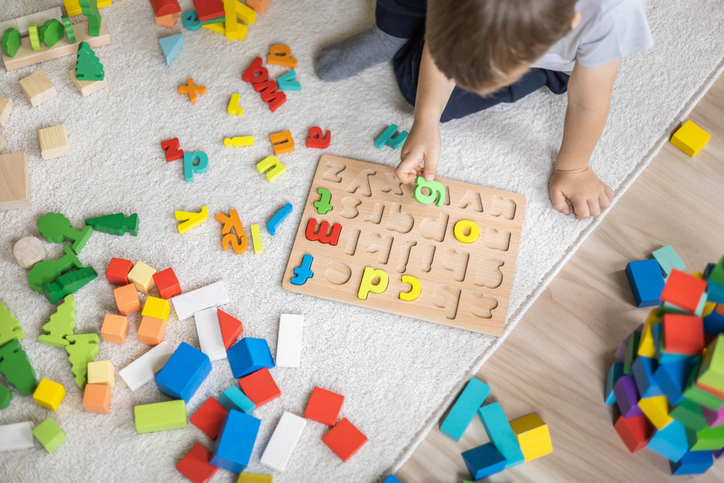
Parents should pay attention to whether their child is developing the foundational pre-reading skills that emerge from birth through age 5, including language development, vocabulary, listening skills, interest in books, and awareness of sounds in words — not just whether they can recognize letters or read words. If a child is not meeting these early literacy milestones or if parents have concerns about their progress, it’s important to seek guidance early rather than take a “wait and see” approach.
Tools like the free Nemours Preschool Reading Screener for children ages 3–5 can help families determine whether a child is on track and identify when additional support may be beneficial.
When is it time to seek additional support?
Here, the advice is simple: trust your instincts. If you’re concerned, ask questions early. Start with the people who see your child regularly and know how children develop. Your child’s pediatrician is a great first conversation — they can track your child’s development, rule out hearing or vision concerns, and point you toward resources. Your child’s teacher or childcare provider is another key partner; they observe your child in a group setting and can share how their language, attention, and interest in books compare to typical milestones.
If concerns persist, either of these professionals can connect you with a specialist, such as a speech-language pathologist or an early intervention program in your area. The earlier we identify potential challenges and provide support, the better we can help children become confident, capable readers.