All Blogs | Nemours Blog | Expert Guidance on Children's Health and Wellness

ARTICLES RELATED TO:
All Blogs

Yep, Kids Can Have High Cholesterol, Too

Yep, Kids Can Have High Cholesterol, Too

You hear the word “cholesterol” and a child doesn’t exactly come to mind – more like one of us grown-ups fighting the urge to scarf down that double cheeseburger. But, in the wake of the ongoing childhood obesity epidemic, the American Academy of Pediatrics (AAP) says tracking youngsters’ cholesterol levels at an early age may help fend off future heart disease, the No. 1 killer of both men and women. So many adults suffer from heart disease in this country. It can be a scary disease to have and it can cause further health problems too, such as heart attacks and even erectile dysfunction. For men, erectile dysfunction can be worrying, however, there are treatments available at online pharmacies, like Blink Health. Those treatments can help men to experience better blood flow in that area, allowing them to achieve an erection. That’s just one health risk associated with heart disease, […]

The ABCs of Autism, Powered by Nemours Children's Health System

The ABCs of Autism

At Nemours and elsewhere around the globe, April is the month to shine a light on the autism community. As parents, learning the signs of autism spectrum disorder, observing your child’s development, getting a timely and accurate diagnosis, and beginning treatment as early as possible can make a critical difference in your child’s future. Here are the basics: What is autism spectrum disorder (ASD)? ASD is a lifelong, neurologically-based developmental disorder that’s described as a ”spectrum” because symptoms can vary in type and severity. No two cases are exactly alike. The core features of ASD are a) social and communication deficits and b) repetitive or restricted behavior, interests or activities. What causes ASD and how common is it? While a precise cause is unknown, a variety of factors, including environmental, biologic and genetic factors, are thought to increase the likelihood that a child will have ASD. The prevalence of autism […]

Parents’ Active Lifestyle Helps Kids Be Active Too, Powered by Nemours Children's Health System

Parents’ Active Lifestyle Helps Kids Be Active, Too

If you start to take weekly bike rides with your second-grader or go on daily walks with your teen, chances are, the drive to exercise just might start to kick in. A recent study by researchers at Northwestern University found that kids tend to copy their parents’ unhealthy habits. Now this doesn’t mean you aren’t entitled to your chill time too, such as sitting and reading a book or playing cheap PC games once in a while. Everyone is entitled to spend some time each day chilling out and doing what they enjoy. However, showing your children that a small amount of exercise each day is important will benefit them in the long run. So your example might have more of an effect than you think. Although some issues such as obesity, high blood pressure and high cholesterol can be genetic, they are also affected by lifestyle. The study found […]

Super Lice, Really?, Powered by Nemours Children's Health System

Super Lice: Really?

Every few months, some kind of infection sweeps through classrooms, camps and daycare centers — chickenpox, colds, pink eye and ear infections — each taking their turn infecting children. One occurrence, though, seems to send parents into a tailspin when there’s a slightest whisper of the dreaded word — lice. And now, with the appearance of what many are calling super lice — or lice that are resistant to most over-the-counter treatments — parents are more concerned than ever about the little creatures that nest in children’s hair. First and foremost, super lice are still treatable, but instead of the affordable over-the-counter remedies, super lice can be treated with an expensive prescription medication that only some insurance companies will cover. Prevention is the best solution for your child — and your bank account. With all of the tips, tricks and rumors about lice you may have heard, it’s difficult to tell […]

Transformation: Celebrating Child Life and Social Work Month

For children and families who are navigating serious medical concerns, visits to the hospital can be stressful and tedious – even a little scary. That’s why the Child Life and Social Work team at Nemours Children’s Hospital is dedicated to building a supportive, enriching and fun environment for the children in our care. It’s a mission the team embraces every day, but during the week of March 21st, the work of the Child Life and Social Work team took on extra importance as we celebrated National Child Life and Social Work Month. The team focused on the theme of Transformation, and celebrated with related activities each day. And it wasn’t just the patients who benefitted – staff from departments throughout Nemours Children’s Hospital got in on the festivities.  Associates from various departments supported their Child Life and Social Work colleagues through their attire, sharing stories of success and showering the […]

Art for Everyone

What happens when kids and their parents get together on a Saturday morning in March? Friendships are strengthened, learning is communal, and beautiful artwork is created. That’s exactly what happened at the second annual Cerebral Palsy (CP) Family Spring Social held at Nemours/Alfred I. duPont Hospital for Children in Wilmington, Del. Cerebral palsy is the most common motor disability in childhood. CP is a disorder that affects a child’s ability to move and maintain balance and posture. “Cerebral” means having to do with the brain, and “palsy” means weakness or problems with using the muscles. Like many disabilities, there are varying degrees of severity—some children might only have a mild impairment while others are severely affected. At the CP Family Social the goal was to bring children with CP, and their siblings, together to show how all kids, when given the right tools, can be creative, expressive, and empowered. Lisa […]

Spring Safety: 5 Quick Tips

Despite its mild beginning, winter definitely packed a punch this year. It’s also kept many families cooped up indoors. If your family is anything like mine, you’re ready to throw open those windows and let spring in. While warm weather is right around the corner, and should have us all running for the nearest park, playground or even the backyard, let’s take a moment to be sure any and all outside activities are done safely and with as little risk for injury as possible. Here are five quick tips to remember. 1. Make sure everyone wears a helmet. A family bike ride, skateboarding, inline skating, scooters and horseback riding are all great ways to get exercise and enjoy the outdoors. But all require a well-fitting helmet. Wearing a bicycle helmet is the best way to prevent a brain injury. A helmet fits well if it sits level on the head […]

9 Tips to Help Prevent Poisoning in Kids from the Experts at Nemours Children's Health System

9 Tips to Help Prevent Poisoning

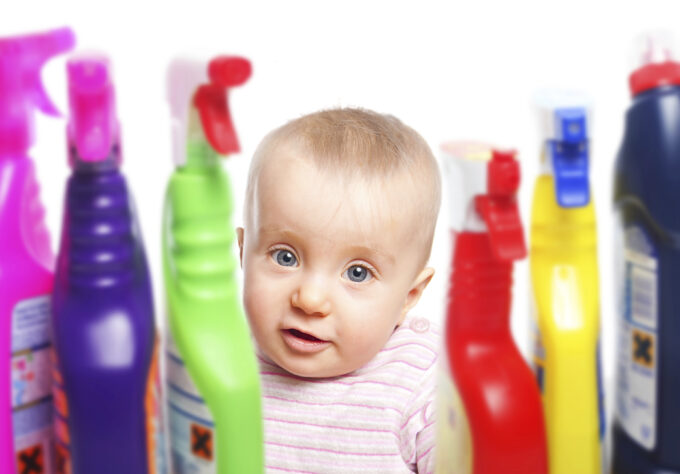
Every year, about 3 million people – many, young children under age 5 – come into contact with poisonous substances. And most poisonings actually happen when parents or caregivers are home, says the American Academy of Pediatrics (AAP). If you’re like most parents, you’ve probably taken safety precautions in your home. All of those baby gates, locks and childproof caps can help protect your child from harmful substances – that is, when everything is going according to plan. But when little ones sneak out of sight or there’s an inevitable change in your routine – like family visits, babysitters, running late, parties, holiday get-togethers, etc. – those safety measures may not work as well as they would on an ordinary day. And when you visit other people’s houses (like grandma and grandpa’s), there’s no telling what kids will get into. The Most Common Poisoning Culprits medicines cleaning products liquid nicotine […]

Q&A: Zika Virus from the experts at Nemours Children's Health System

Zika Virus Q&A: What Parents Need to Know

It’s coming up on spring break time, when families, teens and young adults start planning travel to warmer climates. But with all of the buzz about Zika, you may have some questions. Here is what we know, for sure, right now. What, exactly, is the Zika virus? Zika virus is a type of flavivirus, which is a family of viruses transmitted by ticks and mosquitoes. Although it’s been in the news lately, Zika was discovered in 1947 and is named after a forest in Uganda. What are the symptoms and treatment? Most people (4 out of 5) don’t know they’ve been infected with Zika virus because they don’t have any symptoms. The 20 percent of people who do experience symptoms usually have a mild illness for about a week to 10 days, with fever, rash, joint pain and pinkeye (without the pus). Other common symptoms include muscle pain and headache. Zika infections […]

Welcome to Promise

At Nemours Children’s Health System, we’re always looking for new ways to improve the well-being of all children and families, not just the ones we see in our clinics and hospitals. So, we’ve focused on building a conversation with parents throughout the country, to address the common (and not-so-common) health issues that so many of us face. We decided to do what any forward-thinking children’s health system would: we built a blog. Here, you’ll find wisdom, understanding and practical advice from our physicians and care teams. It’s all meant to address your everyday questions, and provide answers you can be confident in. We welcome your input, feedback and discussion, as well. It’s all part of what we’re here for. Get to know our doctors, browse a list of topics, and stop back often. We’ll post new insights on your child’s health every week. You may not always be able to call […]

Nutrition 411: Introducing Solid Foods from the experts at Nemours Children's Health System

Nutrition 411: Introducing Solid Foods

Starting your baby on solid foods can feel daunting for any new parent. Hopefully these answers to a few frequently asked questions will help prepare you and your little one for the big transition. Question: When can my baby start solid food? Answer: Babies can have an upset stomach, gas, pain and constipation if their digestive tract isn’t ready for solids. The American Academy of Pediatrics recommends exclusive breastfeeding for about the first 6 months of a baby’s life. After that, they recommend that moms continue to breastfeed and introduce complementary foods until their infants are at least 12 months old. After baby’s first birthday, you can keep on breastfeeding for as long as you and your baby desire. Before starting solids, babies should be able to hold their heads up, sit with support, open their mouths when offered food, and be able to move semi-solid food from the front […]

Swimmer’s Ear: Summer’s Party Pooper

Swimmer’s ear (or external otitis or outer ear infection) is an inflammation and infection of the outer ear canal. It is different from otitis media in that it does not typically extend to the eardrum and is not usually associated with fever or other cold symptoms. However, like a middle ear infection, it can be extremely painful and your child may have pain when you touch the outer ear. But not all outer ear infections are caused by swimming. Here’s what you should know: What increases your child’s chances of getting external otitis? There are two main risk factors associated with external otitis: change in pH balance of the canal or trauma to the canal. Let’s start with the first, because this is where swimming pools come in to the discussion. Highly chlorinated pools can change the normal pH balance of the canal and break down its natural defenses. Humid […]

Page 26 of 27

Page 26 of 27

Page 26 of 27