All Blogs | Nemours Blog

ARTICLES RELATED TO:
All Blogs

Make Homework go Smoothly with These Tips and Tricks, Powered by Nemours Children's Health System

Make Homework Go Smoothly With These Tips and Tricks

The school year is well underway, and many students are facing nightly homework assignments. With after school activities and other commitments, getting it all done can be stressful. Here are some tips to make getting homework get done stress-free and manageable for everyone. Set up a Routine and Good Space Whether your child likes to take a break after school before starting homework or wants to get right to work and have downtime later, try to stick to the same daily routine. Make sure your child works in an organized, quiet space that’s free from electronics or noisy family activities that can be distracting. Be Involved Helping your kids plan and organize their homework is a great way to be involved without actually doing the work for them. If they have questions, help them figure out how to look for solutions. Some kids like to start with easy tasks first, […]

Are kids too young to wear contact lenses?, Powered by Nemours Children's Health System

Are Kids Too Young to Wear Contact Lenses?

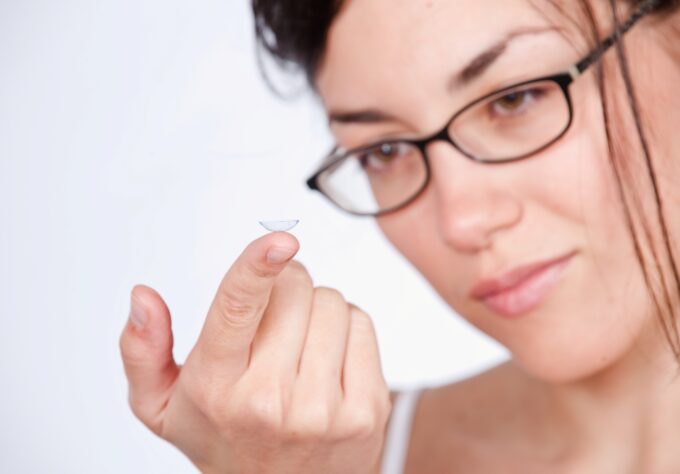
It’s actually not a matter of age when a child can wear contact lenses. What families need to consider is whether the child can practice good hygiene and take responsibility to care for the lenses. There may be 9-year-olds who can responsibly handle contacts and 16-year-olds who cannot. Virtually all contacts nowadays are “soft,” meaning they don’t require a long adaptation period in order to wear them easily. How the patient handles the contacts is what really matters. Many families start to think about contact lenses when their kids are involved in sports. This is understandable since glasses may be cumbersome and offer less-than-perfect vision on the field of play. Parents shouldn’t push for kids to wear contacts, but ask themselves instead: Is the child motivated and capable of caring for contact lenses conscientiously? That is key. Here are some other general questions that I get from parents: Are kids […]

Homeland Security Cadet Camp Gives Kids Chance to be Crime Fighters

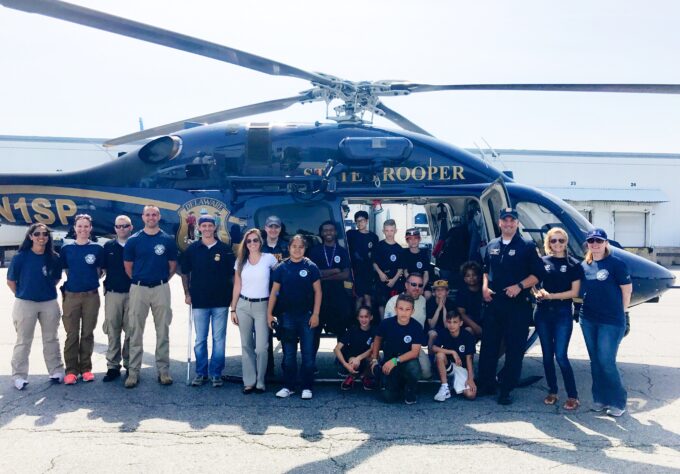
Have you ever watched one of the CSI TV shows or Criminal Minds and wondered what it would be like to investigate a federal crime? This summer some of our patients were given that very opportunity. The 2nd annual Homeland Security Cadet Camp took place at Nemours/Alfred I. duPont Hospital for Children earlier this summer. For one week, patients from our hospital, along with their siblings (eleven kids total), had the opportunity to experience the entire process of investigating a crime—from gathering evidence and following leads to tracking down and capturing the “bad guy!” This program is entirely free for kids and is a huge community effort that includes Chester County SWAT, Pennsylvania State Police, Homeland Security, Immigration and Customs Enforcement (ICE), and many more, including Child Life here at the hospital. The week included classroom instruction, field trips, and the final day at a training facility in Chester County, PA. […]

Sugar Versus Added Sugar, Powered by Nemours Children's Health System

Sugar versus Added Sugar

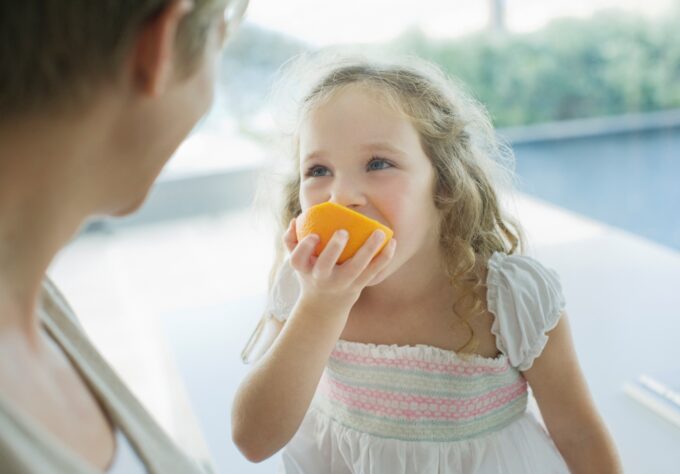
Sugar tends to be a hot topic in the world of nutrition. It’s important to realize sugar can be a natural part of the food we eat. For example, lactose in milk and fructose in fruit are considered natural sugars. But sugar also implies added sources that tend to be in most of our packaged foods and beverages, with the key word here being “added.” One challenge with our current food label is there is no way to distinguish natural sugar from added sugar unless you review the ingredient list. It’s hard to believe, but there are over 60 terms for added sugar that are approved for use by the FDA. Some common labels for added sugars (besides sugar) include honey, sucrose, high fructose corn syrup, cane juice, and glucose. Other labels for sugar you might see and not recognize include barley malt, maltose, and buttered syrup. Where do most sources […]

Vaccines: It Doesn't Have to Hurt, Powered by Nemours Children's Health System

Vaccines: It Doesn’t Have to Hurt

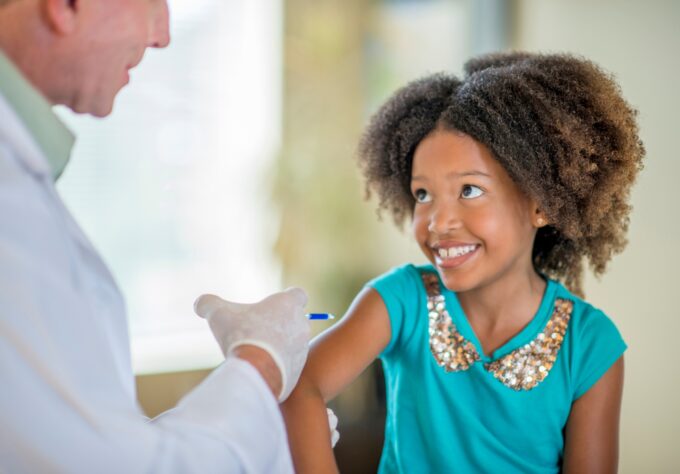
Back-to-school is approaching fast. If you’re like many parents, that means back-to-school physicals and possibly vaccines or blood draws for your kids too. For some families, this topic makes kids and parents alike cringe. We know the critical importance of vaccinations, but it doesn’t make it easier on a child who is frightened of needles, or on parents as they watch their kids squirm, scream, and cry in anticipation of the shot or needle. Thankfully, research doesn’t stop at the safety and efficacy of vaccines. Dr. Christine Chambers and Anna Taddio are well-known pediatric psychologists who study pain and have worked to get the message out publicly that pain management in kids is important and accessible, especially in the case of vaccine! The campaign, “It Doesn’t Have to Hurt” is an excellent resource for parents. Currently, fewer than 5% of kids receive any pain management during vaccines. It’s reassuring to […]

Is Organic Food Healthier?, Powered by Nemours Children's Health System

Is Organic Food Healthier?

Let’s play a game. When I say “organic,” you say the first words that come to mind. Ready…Organic! Okay, let’s check your answers. Did you say something like healthy, nutritious, clean, natural, expensive, and/or safe? These are common words used when we talk about organic versus non-organic foods. But is this always the case? Is all organic food healthier, cleaner, more expensive and safe? Before we fully answer this question (spoiler alert: the short answer is no), let’s breakdown what it means when food is “organic.” What is Organic Food? The United States Department of Agriculture (USDA) certifies and labels certain foods as organic if they are produced “using methods that preserve the environment and avoid most synthetic materials, such as pesticides and antibiotics.” Pesticides and antibiotics are used to extend shelf life in the grocery store, reduce plant spoilage and mutation, and prevent illness in livestock. They are GRAS, or […]

Hands Up for Haiti: Helping the Country’s Children and Families

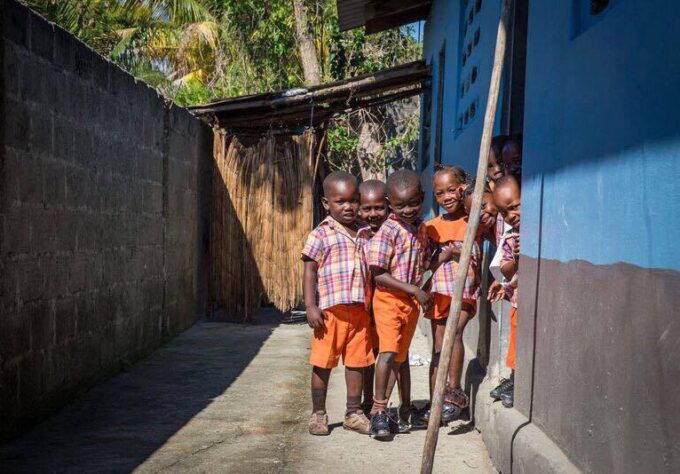
Dr. Tamar Goldberg, a second-year pediatric resident at Nemours/Alfred I. duPont Hospital for Children, reflects on volunteering with Hands Up for Haiti. In July 2017, Dr. Goldberg will start her subspecialty training in pediatric neurology and neurodevelopmental disorders at Boston Children’s Hospital. Children in orange and plaid school uniforms with hair neatly parted in matching bows shout “blanc, blanc,” and wave at our rickety van as we pass. Palm trees grow at the roadside along with banana trees and rows of cactus bushes displaying that afternoon’s clean laundry. Locals push wheelbarrows full of coconuts or steer their donkeys carrying lumber. Goats and chickens mill around in vast green fields leading up to lush mountains. In February 2017, I had the opportunity to travel to Haiti with a team of pediatric residents from Nemours/Alfred I. duPont Hospital for Children to provide medical care for children in partnership with the organization Hands Up […]

Caffeine-Related Death Offers Cautionary Tale, Powered by Nemours Children's Health System

Caffeine-Related Death Offers Cautionary Tale

Recently, a 16-year-old high school student collapsed at school and was pronounced dead an hour later. His parents were devastated, and the time they should have spent together as a family was now being spent on making funeral arrangements, procuring a Batesville casket, and grieving for the loss of their son. How could this have happened? Spontaneous death is a rare occurrence that few parents will have to worry about. Though sudden death is often caused by the introduction of a food or chemical into the system. During the investigation into the student’s death, no drugs or alcohol were found in his system. However, he was known to have ingested a significant amount of caffeine in the two hours before his death, including soda, coffee and energy drinks. The cause of death was determined to be cardiac arrest due to arrhythmia, caused by excess caffeine ingestion. With arrhythmia, the heart […]

Vitamin D: Is your baby getting enough?, Powered by Nemours Children's Health System

Vitamin D: Is Your Baby Getting Enough?

Vitamin D helps to ensure that our bodies absorb and retain calcium and phosphorous, which are both needed for building strong bones. The need for vitamin D begins even before a baby is born; insufficient intake can put an infant’s bone development at risk. Why is Vitamin D so Essential? Severe vitamin D deficiency can lead to nutritional rickets, which can cause softened and weakened bones. This disease is most often seen in children younger than 2 years of age. Because recent studies have shown that most infants in the United States have not been consuming enough vitamin D, the American Academy of Pediatrics (AAP) now recommends that all infants have a minimum intake of 400 International Units (IU) of vitamin D per day beginning soon after birth. How Does the Body Get Vitamin D? Vitamin D can be obtained in two ways: first, from the foods we eat; and […]

Lawn Mower Safety - Powered by Nemours Children's Health System

Kids and Lawn Mowers: Tips to Stay Safe

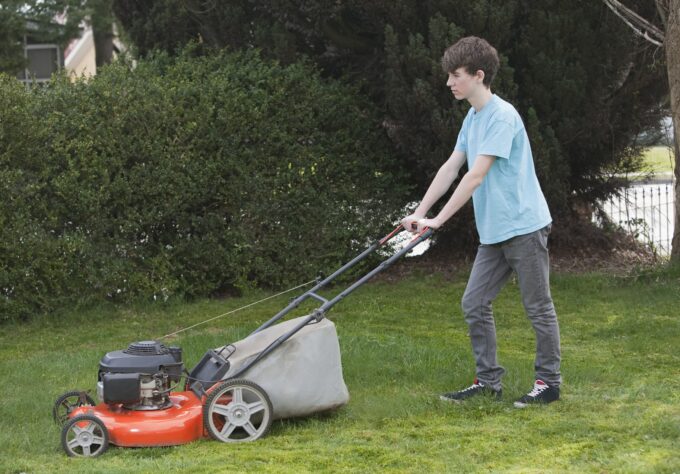
Each year you know it’s coming. The transition from a crisp wind to a warm breeze, green overtaking barren trees, longer days, and kids riding bikes and scooters. Winter takes its exit as spring reawakens the outside world. And with the change of seasons, the familiar growl of lawnmowers everywhere! Each year, up to 4,800 children are injured in lawn mower accidents. And 75 children die each year from lawn mower accidents. The most common injuries from lawn mowers are cuts, usually to the hands or fingers. Lawn mowers can also kick up rocks and sticks that act as projectiles, which can cause eye injuries or cuts. Kids under five years can get burned by coming in contact with the mower. In fact, passengers and bystanders are more likely to be admitted to the hospital than the person operating the mower. Lawn mower-related injuries are the most common reason for traumatic amputations […]

A Garden Grows a Healthy Child - Powered by Nemours Children's Health System

A Garden Grows a Healthy Child

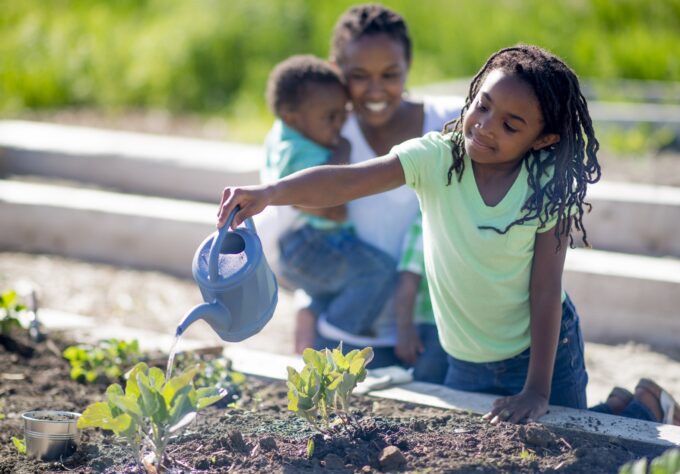
A garden is a place of mystery, adventure, collaboration and accomplishment. It’s a place to learn about our environment and where natural, whole foods come from. It’s where children can laugh and play while developing valuable social and cognitive skills for a brighter future. If your child has never been introduced to gardening before, these are just a few reasons to start. Children Who Help in the Garden May Eat More Fruits and Vegetables. Research has shown that children engaged in gardening projects may eat more fruits and vegetables, become more knowledgeable about nutrition, and continue healthy eating habits into adulthood. Gardening can also improve social skills, behavior, academic achievement in math and science, and attitude towards the environment.  With all of these positive outcomes, let’s dig in! Below are some ideas adapted from kidseatright.org to help you and your young one get started. Involve kids in every step of […]

The Truth About Kids in Clinical Trials | Stacey Gray | Promise: Powered by Nemours Children's Health

The Truth About Kids in Clinical Trials

Asthma medications. Dietary guidelines for people with diabetes. Vaccination schedules. They’re all things we take for granted when health care providers recommend them, but none of them would be possible without successful clinical trials. Clinical trials are designed to evaluate a new or existing medication, treatment approach, or medical device for patients who have a particular condition, like obesity or heart disease. However, they’re not just about improving treatment options for future patients. On the contrary, people who volunteer to participate in clinical trials often benefit from the enhanced care that comes with being part of an important study. Still, it’s natural to have lots of questions when you’re thinking about enrolling your child in a clinical trial. Here, we’ll try to answer some of those questions. Will my kid be a guinea pig? Not at all. While your child’s participation will help health care providers make more informed treatment […]

Page 19 of 27

Page 19 of 27

Page 19 of 27