The menstrual cycle is very sensitive; both emotional and physical changes, like those that we have seen during the pandemic, can upset it.

The menstrual cycle is very sensitive; both emotional and physical changes, like those that we have seen during the pandemic, can upset it.
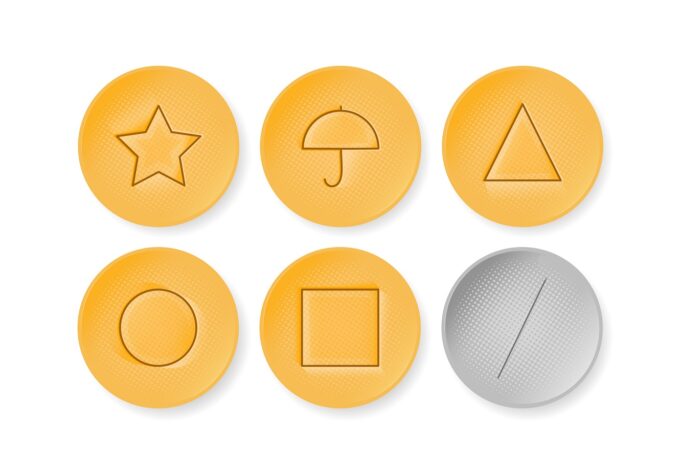
Squid Game. The latest Netflix/internet obsession. After admittedly watching the series myself (spurred by patients asking about it), there are a few things parents should know. There is enough violence, ethical dilemmas, and other mature content to draw a hard line: your young children should absolutely not watch this show. Still, teachers and schools are reporting kids emulating Squid Game at recess and in the classroom. The show itself is rated mature (17+). Teens of all ages, however, are likely to watch it or hear about it. Keep these things in mind as you navigate their viewing: Watch Squid Game, or at least one episode, before you allow your teens to view it. You should be prepared, minimally, to have conversations about the difficult topics and those are easier to navigate when you have seen the content as well. If you are a parent of younger kids, keep them in […]

The COVID-19 pandemic has challenged the lives of our children in many ways: adapting to online learning, navigating the “new normal” when heading back to school, rescheduling and cancelling of school events, and creating feelings of social isolation. These restrictions have negatively influenced some of our kids’ mental health. According to the Centers for Disease Control and Prevention (CDC), suicide is the second leading cause of death among school-age youth. But often it can be prevented, and by knowing the risk factors and signs, it can be a lifesaver. Youth Suicide Statistics: Cause for Concern According to the CDC, during 2020, mental health–related emergency room (ER) visits among adolescents ages 12–17 increased 31% compared to 2019. During the COVID-19 pandemic, suicide attempts also increased for adolescents, especially girls. Children with mental illness are at a higher risk for suicide. In fact, 9 in 10 teens who take their own lives […]

America, we have a problem. One in five American children and adolescents are obese. Obesity is highest among adolescents 12-19 years-old compared to younger children. How do you know if your teenager is obese? Your teen’s Primary Care Provider (PCP) measures Body Mass Index (BMI). BMI is weight in kilograms divided by the square of the height in meters – yay for BMI calculators! Teenagers’ BMIs are expressed as percentiles: Related reading: How to Know if Your Teen Is at a Healthy Weight Why do parents need to worry? Because facts are facts: obese children are more likely to become obese adults, and obesity increases the risk of problems including diabetes, heart disease, and cancer. Also, we live in a society where weight bias and discrimination, or “ fat shaming,” is rampant. Fat shaming triggers physical and emotional and physiological changes and is linked to depression, anxiety, low self-esteem, eating […]

Teen Dating Violence, also known as TDV, is a type of intimate partner violence that happens between two teens in a close relationship. But TDV doesn’t just affect teenagers, though; it impacts families, teachers, friends and whole communities. That’s why it’s essential that parents, educators and health professionals talk to young people about the risks and consequences of the issue. Teen Dating Violence Statistics Teen Dating Violence is probably more common than you think. It affects millions of teens in the U.S. each year. Data from CDC’s Youth Risk Behavior Survey and the National Intimate Partner and Sexual Violence Survey provide some alarming statistics: Youth age 12 to 19 experience the highest rates of rape and sexual assault. Nearly 1 in 11 female and approximately 1 in 15 male high school students have experienced physical dating violence in the last year. About 1 in 9 female and 1 in 36 […]

For several decades, much of the focus on body image disorders has focused on females. In American society, the feminine ideal is to appear thin. Males, however, are encouraged to be muscular. Lately, we are witnessing a shift in how males perceive their bodies. Boys Feel the Pressure Too Many of today’s young males want a strong body; specifically, they want more muscles. With action figures such as Batman, Captain America, and Superman to magazine covers boasting “Double your muscle!” and “Bigger arms now!” it’s no wonder that teens view being chiseled and ripped as the ideal male body image. It’s one thing to play with an action figure or peruse a magazine, but it’s quite another to think obsessively about becoming muscle-bound and to diet and exercise compulsively to look this way. Sound like obsessive compulsive disorder (OCD)? Yes. Sound like an eating disorder? Yes. What Is Muscle Dysmorphic […]

Distracted driving is one of the leading causes of car accidents in teenagers and young drivers. According to NHTSA, each day in the United States, approximately nine people are killed and more than 1,000 injured in crashes that are reported to involve a distracted driver. In 2017, 3,166 people were killed in a crash involving a distracted driver. These statistics are frightening. Parents should talk to the young drivers in their family about distracted driving and methods to avoid tragedy. Taking Your Mind Off the Road Most of us are guilty of distracted driving at one time or another. It happens maybe more than we’d like to admit — we drive while letting another activity take our attention away from focusing on the road. When your brain is thinking about anything other than what is happening on the road, it makes it difficult to react during a potential crash. This […]

Few things can cause a parent’s heart to stand still like having a teenage child complain of chest pain. Unfortunately, it’s a common complaint. According to national data from 2016, people aged 15 to 24 years comprise 14.2% of all emergency room visits and chest pain is one of the top diagnoses. Causes of Chest Pain Many people have experienced chest pain, and a variety of words are used to describe it, ranging from dull to squeezing. There are equally as many causes, the most serious of which usually involve the heart or lungs. Luckily, in teenagers, the most serious are not the most likely. Frequently, the cause of chest pain in teens is chest wall pain. The chest wall includes the skin, fat, muscles, and bones that form a protective structure around the heart, major blood vessels, lungs, and esophagus. The bones in the chest wall include the ribs, sternum (breastbone), […]

In September, 2018, the U.S. Food and Drug Administration (FDA) announced bold new steps to address what they call an “epidemic of youth e-cigarette use.” The new enforcement actions aim directly at the sale and marketing of e-cigarettes to kids. Warnings and fines were sent to retailers who are selling Juul and e-cigarettes to minors. This article explains what you need to know about “vaping.” What are E-Cigarettes? Electronic cigarettes (or “e-cigs”) are battery-operated, nicotine-dispensing devices. They’re marketed as a safe alternative to smoking. But they’re not safe because they usually put nicotine — a highly addictive drug — into the body. They also mimic the act of smoking a real cigarette, possibly making it harder to quit. How Do E-Cigarettes Work? E-cigarettes use cartridges filled with a liquid that contains nicotine, flavorings, and other chemicals. A heating device inside the e-cigarette turns the liquid into vapor to be inhaled. […]

Many parents aren’t sure whether their teen’s weight falls within a healthy range or when they should be concerned. It can be a challenge to talk to your teen about reaching a healthy weight. It’s all too easy to imagine the ways in which the subject can backfire. But it’s more important than ever to get this discussion started. Because even as more American teens are carrying extra pounds, fewer are trying to lose weight. A recent study in JAMA Pediatrics found the percentage of teens aged 16-19 who are overweight or obese sharply increased in recent decades, to 34 percent. Meanwhile, the percentage of overweight teens trying to lose weight fell to 23 percent for boys and 54 percent for girls. As teens see more people who are overweight, their ideas about what’s a healthy weight might be changing. Emotionally, it’s a positive when teens accept their body — […]

Bullying no longer just happens in school hallways or on the playground. Since kids are now online and mobile, cyberbullying is a huge concern. It occurs digitally, on your children’s computers, phones, tablets, and even on video games, where players talk and text chat. Bullies now follow their victims anywhere in the world, even into the safety of their own homes. According to the Pew Internet & American Life Project, 95 percent of U.S. teens ages 12-17 use a smartphone, 81 percent of them use social networks, and 45% say they are online almost constantly. Most research on cyberbullying focuses on teens. But younger generations are also getting digital access, exposing them to the threat of cyberbullying too. By understanding how and where cyberbullying occurs, you can help Stop Your Child from Being Bullied Online. What is cyberbullying? Cyberbullying is similar to other forms of bullying, except it happens over […]

“Body modifications” like tattoos, piercings other than in the ears, and scarification have become a mainstream trend. It has also become popular for many young people to get dental implants in Beverly Hills or somewhere similar in order to achieve that perfect Instagram smile. These procedures might be safe for adults, but adolescents do not always think about the long-term ramifications of changing their bodies. Skin is not done growing until adulthood, so tattoos can stretch, fade or even become lopsided over time. They are hard to modify and even harder to remove. Piercings can heal over, defeating the point of getting one in the first place, whilst the jaw undergoes changes until the mid-twenties, making it much safer to get teeth alterations done at an older age. A report in 2010 found that 38 percent of 18 to 29-year-olds had at least one tattoo, and we suspect that the […]
Page 2 of 3