Allergies & Asthma | Nemours Blog | Pediatric News and Guidance From Our Experts

ARTICLES RELATED TO:
Allergies & Asthma

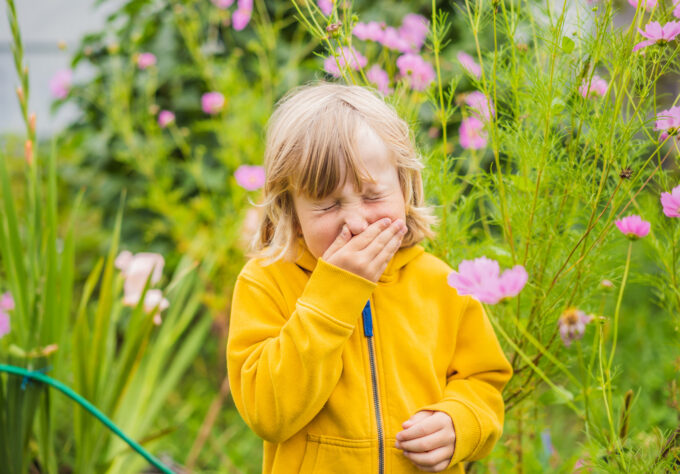
Child sneezing while standing among flowering plants outdoors during fall allergy season.

Helping Your Child Through Fall Allergy Season

Fall 2026 is shaping up to be a tough allergy season. Warmer temperatures and a later first frost are giving ragweed and other weeds a longer window to grow and release pollen, while damp autumn conditions and fallen leaves keep mold spores in the air. With weed pollen arriving right on schedule in August and counts predicted to spike through September and October, parents need to plan ahead to minimize seasonal allergy suffering. By taking action before the pollen hits, your child can enjoy autumn’s colors instead of its allergens. The best way to care for allergies in kids is to track what’s happening outside, get ready for pollen season inside, and see the doctor (if needed) to manage allergies early. Can you get allergies in the fall? Yes. Seasonal allergies — also called “hay fever” — can flare up any time of year, but fall has its own set […]
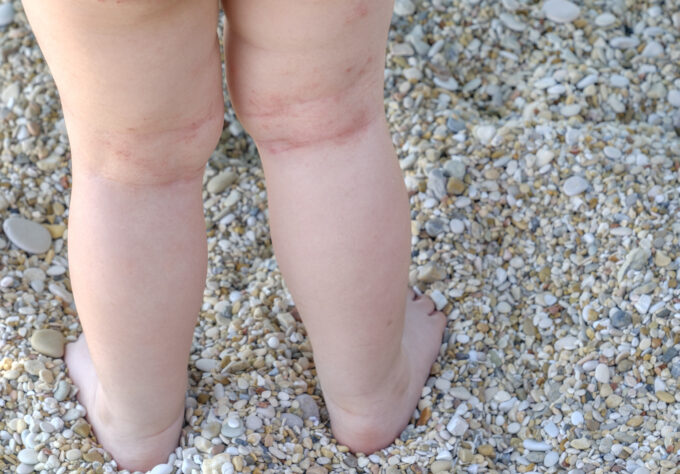
Eczema rash on the back of baby's knees

Eczema in Kids: A Parent’s Guide to Symptoms, Triggers, and Care

Eczema (EG-zeh-muh), also known as atopic dermatitis, is a common skin condition that affects babies and young children, often improving naturally as children grow. However, it can sometimes persist into adolescence and adulthood. Eczema symptoms typically begin before a child reaches 1 year old, and up to 25% of children are affected. For parents, eczema often shows up as dry, itchy, or irritated skin that can be uncomfortable — and sometimes frustrating — to manage. The good news is that with the right care, most children’s symptoms can be well controlled. The American Academy of Pediatrics (AAP) released updated guidance for managing eczema in 2025, emphasizing proactive care, mental health impacts, and emerging therapies. Below, we answer common questions parents have about caring for a child with eczema and what these new recommendations mean for families. What causes eczema in children? Atopic dermatitis, also known as eczema, is a chronic, […]

Happy little girl blowing pollen from a flower outside in spring.

Spring Allergy Season Is Starting Early

Spring 2026 is shaping up to be a tough allergy season based on January and February’s roller coaster temperature shifts from early warmth to sudden cold snaps, which set the stage for intense pollen production in some areas. And with tree pollen arriving weeks ahead of schedule and pollen counts predicted to spike rapidly across the East Coast, parents need to plan ahead to minimize seasonal allergy suffering. The good news? You don’t have to wait for the sniffles and sneezes to start. The best way to care for allergies in kids is to track what’s happening outside, get ready for pollen season inside, and see the doctor (if needed) to manage allergies early. By taking action before the pollen bomb hits in March and April, you can help your children breathe easier and enjoy spring the way it’s meant to be enjoyed. When is spring allergy season? In the […]

Little boy with food allergies is admiring cakes and other sweets on the showcase in cafe or supermarket.

Life with Food Allergies: How to Adapt as Your Child Grows

You’ve just taken your 6-month-old baby to the pediatrician, and they recommended you start to introduce common allergenic (something that has the potential to trigger an allergic reaction) foods like dairy, eggs, and peanuts. But what if your baby has a reaction? What does life look like with food allergies? Food Allergies in Babies and Toddlers My brother was diagnosed with an egg allergy when he was about a year old after taking a bite of my dad’s breakfast sandwich. This triggered a series of testing that eventually led him to be diagnosed with allergies to peanuts and cottonseed oil as well. Sometimes kids will grow out of their food allergies, but others will have them for life. At the time of a new diagnosis, it is really hard to predict whether or not your child will grow out of the allergy. The priority at this time is keeping them […]

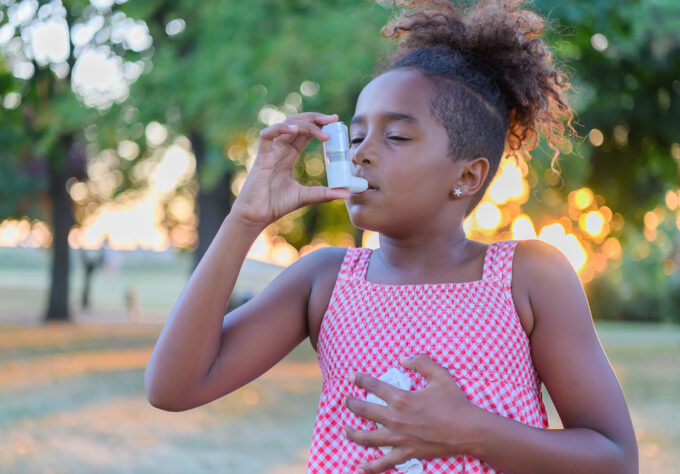
Young Girl is using inhaler for asthma symptom relief during Asthma Peak Week in September

Asthma Peak Week: Why It Happens and How to Stay Healthy

As we turn the calendar page to September, one challenge looms: the arrival of “Asthma Peak Month,” with the third week being “Asthma Peak Week” where asthma triggers are at their highest of the year. This period marks a significant increase in asthma symptoms. Combined with the extra stress and exposures of children heading back to school, understanding why this peak and week happens can help you better prepare your child for the possibility of more asthma attacks. Understanding Asthma Peak Week Asthma peak week, typically the third week of September, marks a critical period when the number of asthma attacks spikes dramatically. Although it affects people of all ages, this phenomenon is particularly notable among children. The transition back into the classroom, for example, exposes kids to a variety of new allergens and irritants (plus viruses), which can trigger or worsen their asthma symptoms. That’s because one of the […]

Nut Allergies: What Friends and Family Need to Know | Promise: Powered by Nemours Children's Health System

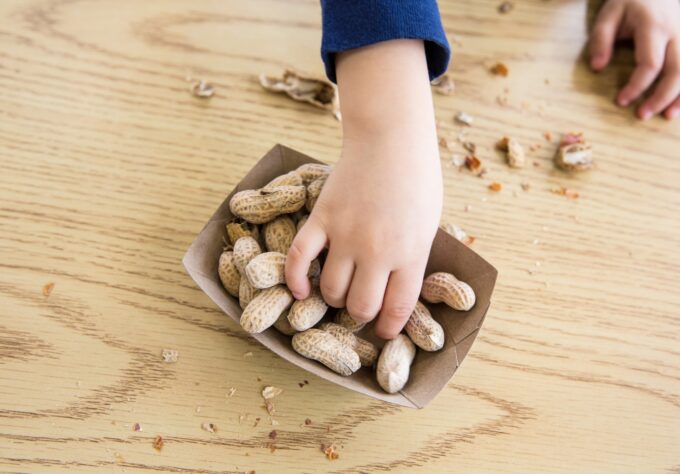
Nut Allergy Safety Guide for Friends, Family, and Caregivers

For parents whose children live with an allergy to peanuts or tree nuts, avoiding the ingredients can become a matter of cautious routine. It’s never easy, but parents grow accustomed to avoiding certain foods and contaminants, watching for symptoms, and carrying the necessary supplies in case of an accidental exposure. But what about friends, friends’ parents, or other family members? It can be hard to give a simple overview of the dangers and limitations that come with a peanut or tree nut allergy – especially when you’re trying to allow your child to live a life that’s as close to normal as possible. Here’s what friends and family members should know about caring for or spending time with a child who has a nut allergy – whether it’s a sleepover, family vacation, or a babysitting gig. Why Peanut and Tree Nut Allergies Should Always Be Taken Seriously No matter what your […]

Trouble Breathing During Exercise -- It’s Not Always Asthma, Powered by Nemours Children's Health System

Breathing Trouble During Exercise — It’s Not Always Asthma

What Is Vocal Cord Dysfunction? When a pre-teen or teenager experiences trouble breathing while exercising or playing a sport, many doctors and parents are quick to diagnose the child with asthma. But in some cases, it’s not asthma at all — it’s vocal cord dysfunction, a condition that occurs when the vocal cords do not open correctly. The symptoms of the condition are very similar to asthma, with a child experiencing difficulty breathing or coughing and wheezing. The difference, however, is that vocal cord dysfunction doesn’t improve with a rescue inhaler or a prescription steroid. And for some children, the condition is never diagnosed because, frustrated and distressed, the child quits the activity. But the good news is that vocal cord dysfunction can be diagnosed and treated with the correct therapy. Understanding the Symptoms “Children with vocal cord dysfunction often describe tightness as you’d find in asthma, but opposed to […]

Staying Safe With a Stinging Insect Allergy, Jordan Smallwood, MD | Promise, powered by Nemours Children's Health

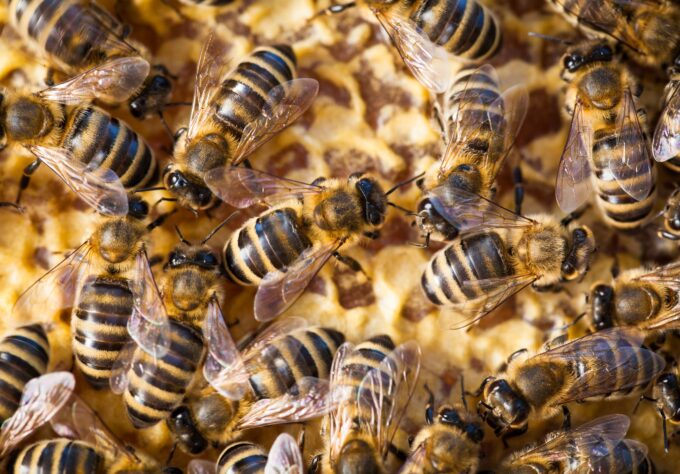
Staying Safe With a Stinging Insect Allergy

Honey bees. Wasps. Fire ants. Yellow jackets and hornets. Few people are big fans of these bugs, but for those who have a stinging insect allergy, there’s more at stake than the pain of a simple sting. Anaphylaxis is a life-threatening reaction that occurs in people who are allergic to the venom of stinging insects. It happens when a person’s immune system overreacts to the proteins in an insect’s venom, and the effects are immediate and very dangerous. While most people develop pain, swelling and redness at the site of an insect sting, it’s important to watch out for symptoms of an allergy. These signs include: Hives Tightening of the throat Wheezing and/or difficulty breathing Stomachache Vomiting or diarrhea Itchiness Lightheadedness or loss of consciousness Itchy, watery or swollen eyes If your child starts having serious allergic symptoms, like swelling of the mouth or throat or difficulty breathing, give an epinephrine auto-injector […]

Asthma Flare-Ups and Kids: What They Are, What You Can Do, Powered by Nemours Children's Health System

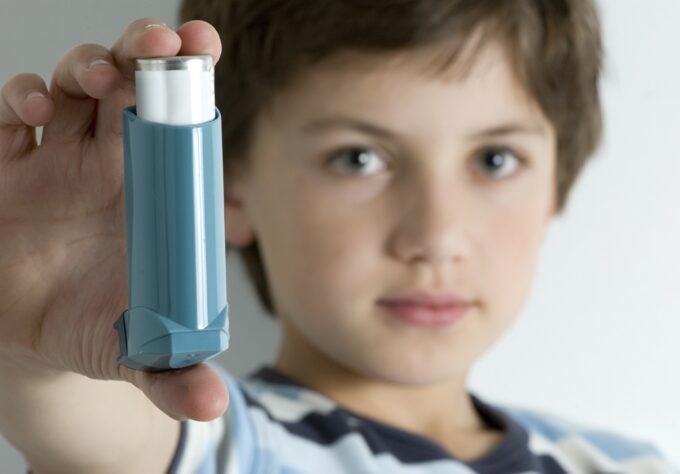
Asthma Flare-Up and Kids: What They Are, What You Can Do

A recent survey by Nemours Children’s Health System, the Delaware Survey of Children’s Health (DSCH), showed that parents of 88 percent of children with asthma were educated by health professionals on how to recognize early signs or symptoms of asthma episodes in their child. Understanding what an asthma flare-up is and how to recognize the early signs or symptoms are key steps in improving the health of your child. Increasing the percentage of parents who are taught how to recognize their child’s early signs or symptoms of an asthma flare-up (also called an asthma attack) can help reduce the number of asthma-related hospital visits and improve the overall health of their child. What is an Asthma Flare-Up? During an asthma flare-up, the breathing tubes (also called bronchial tubes) in the lungs constrict — like a straw being squeezed — which triggers wheezing, coughing and tightness in the chest. Some kids […]

The Good News About Updated Guidelines for Peanut Allergies | Promise, powered by Nemours Children's Health System

The Good News About Updated Guidelines for Preventing Peanut Allergies

Peanut allergies have long been a concern for parents and families. In the past several years, the instance of peanut allergies and children – along with confusion and fear about how and when to expose young children to peanut ingredients – has been growing. Peanut allergies generally develop in childhood and continue into adulthood, and they’re not to be taken lightly. People who live with peanut allergies, along with their families, must maintain constant vigilance in the face of a peanut-contaminated environment. Allergic reactions can come from traces of peanuts from unexpected sources, and may be severe or life-threatening. And while there’s no cure for peanut allergy, a new set of guidelines from the National Institute of Allergy and Infectious Diseases (NIAID), part of the National Institutes of Health (NIH), can help parents prevent an allergy to peanuts by introducing the ingredient earlier in life. LEAP (or Learning Early About Peanut […]

For an Allergy Safe Halloween, Go Teal | Powered by Nemours Children’s Health System

For an Allergy-Friendly Halloween, Go Teal

As Halloween approaches, many families are preparing to have a safe trick-or-treating experience. For families dealing with food allergies, though, trick-or-treating can cause a great deal of anxiety. Until recently, food allergy has not been an issue that many families have experienced personally. Today, however, 1 in 13 families has a child with food allergies. For those children, eating the wrong treat can cause severe reactions, and in some cases a life-threatening reaction called anaphylaxis. As an allergist and parent of a 4-year-old with a peanut allergy, my wife and I have found ourselves fighting a constant battle to ensure that our son doesn’t come into contact with products that may contain peanuts while he’s at school or eating in public places. Halloween is especially challenging for us. We want our son to have fun and not feel different from his friends just because he can’t enjoy certain types of candy. […]

Oral Immunotherapy for Peanut Allergy: Is It Time? by Magee DeFelice, MD, Promise, Brought to You by Nemours

Oral Immunotherapy for Peanut Allergy: Is It Time?

For over 100 years, allergists have used a method called “immunotherapy” to safely and successfully treat environmental allergies. Unlike medications, which only treat the symptoms of allergic reactions, immunotherapy actually teaches the immune system to become more tolerant of allergens. For allergic nasal and eye symptoms, asthma, and atopic dermatitis (eczema), immunotherapy is very helpful in the form of allergy shots. An oral form of immunotherapy (“oral immunotherapy,” or “OIT”) is available for certain types of allergies, and has been shown to be effective as well. How Does Oral Immunotherapy Work? The goal of oral immunotherapy is to make the immune system less reactive to a food allergen by eating small, gradually increasing amounts of the food over time. Researchers have been working for decades on a way to apply immunotherapy to the treatment of food allergies, with mixed results. However, a recent study in the Journal of Allergy and Clinical […]

Page 1 of 2

Page 1 of 2

Page 1 of 2