Early in my career as a pediatric surgeon, I separated conjoined twins: two baby girls who shared much of their abdomen. Unlike most carefully planned conjoined twin separations, this one was a rapidly planned emergency procedure, making it one of the most challenging operations I had performed to date. Happily, it went extremely well. Knowing these girls could go on to live normal lives made me feel like a hero.
Later that day, I delivered a lecture to a group of primary care pediatricians. Afterward, a young pediatrician named Cindy came up to ask about the twins. Then she told me about her own work “prescribing books” to her patients. She explained that reading at grade level in third grade is one of the strongest predictors of whether a child will finish high school, and that finishing high school is closely tied to lifelong health and longevity.
I nodded politely and thought, “You don’t need a medical degree to hand out books.” In that moment, I didn’t see how her work compared to the value of saving two lives.
But Cindy planted a seed in my mind. As the years went by, an idea took root and grew too big to ignore: Medical care is essential, and for patients like my conjoined twins, it’s the whole ball game. But for most children, the majority of what determines how long and how well they live hinges on non-medical needs like food, housing, education, and relationships. And getting these needs met matters most in childhood, when the brain and body are developing rapidly.
Research has shown that adverse childhood experiences like trauma, abuse, and neglect often lead to more health problems in adulthood. But the reverse is also true: positive childhood experiences—feeling safe at home, having a trusted adult nearby, feeling a sense of belonging at school—are linked to better mental health in adulthood, even for people who also faced hardship.
Many adults play a role in children’s health, even if they don’t perceive themselves that way. Their work rarely makes the news, but it deserves to be recognized. As we approach this season of gratitude, I want to do that.
To everyone working in pediatric health systems—including the over 10,000 at Nemours Children’s Health—please know how deeply valued your work is. You are there for children and families on their hardest days: frightening diagnoses, emergencies, long hospital stays. When a child is sick, nothing matters more than expert, compassionate medical care, and you provide it. Increasingly, you are also looking beyond the exam room, asking about food and housing, connecting families to help, and partnering with communities to keep kids well in the first place.
I am grateful also to the housing advocates, educators, community organizations, and policy leaders who have taught me that a stable home, a dynamic classroom, a full belly, and a supportive community are among the most powerful health interventions we have.
And I want to thank the everyday heroes, the people who would be surprised to be linked with health:
The school cafeteria workers who know which children come in hungry and quietly make sure they leave full so they can focus on learning.
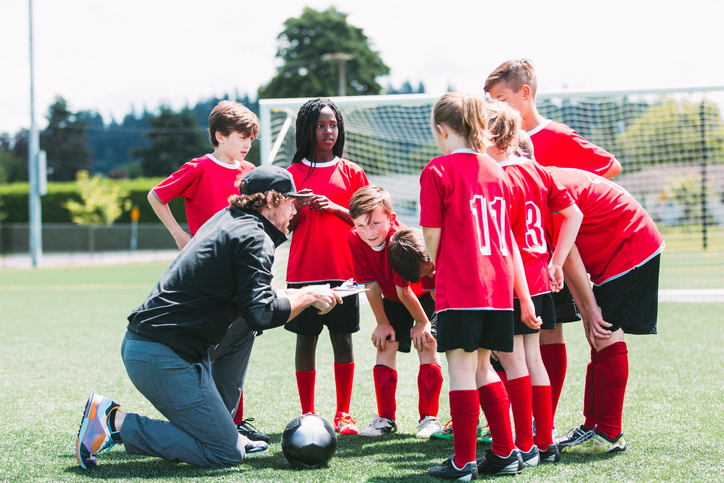
The coaches who keep kids moving and teach them about hard work and resilience.
The librarians—and pediatricians—who put the right book in the right hands at the right moment.
The volunteers who stock shelves at their local food pantry or hold a coat drive so that families can get through challenging times.
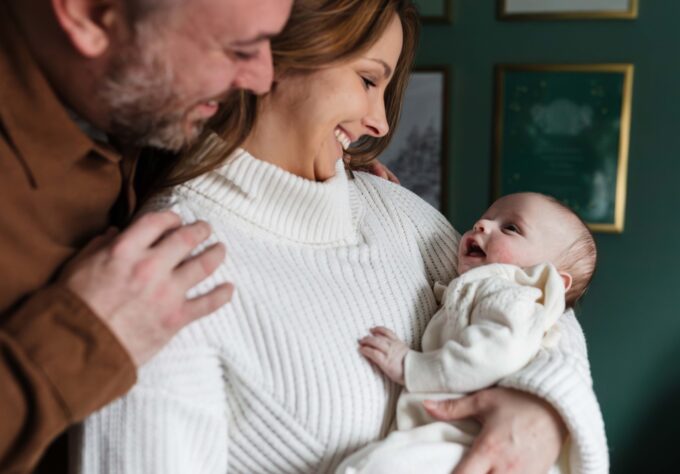
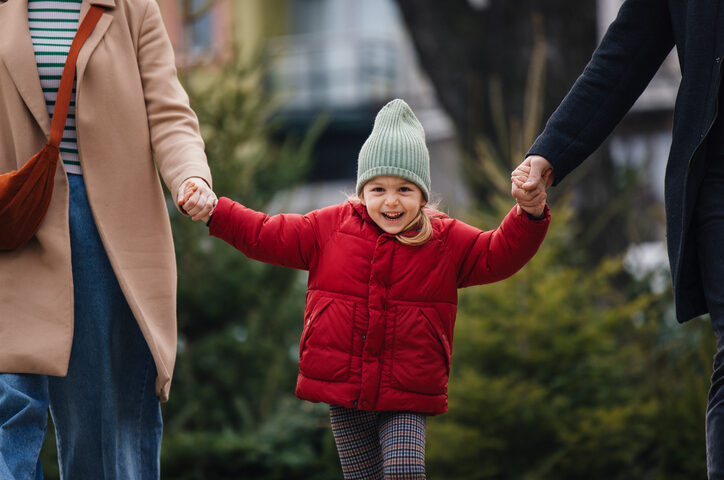
The parents and caregivers who do their best for the children in their lives, even when it isn’t easy.
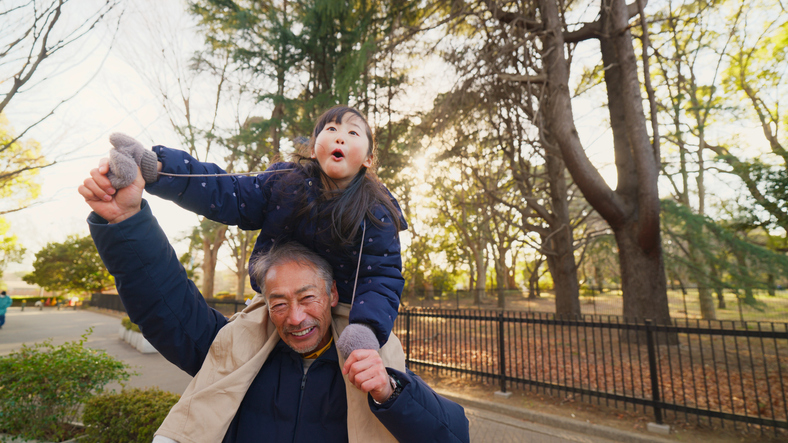
The neighbors, grandparents, faith leaders, and other adults who lend a trusted ear for children to confide in.
None of you would call what you do “health care.” But a child who is seen, heard, and cared for is a child whose good health is being built, one ordinary act at a time.
I have thought about Cindy often over the years. When we met, I believed I was doing the more important work. I now understand we were doing the same work from different angles. Children need both.
This Thanksgiving, I hope you will join me in appreciating both the children in your life and the many people who help them grow up healthy.