Healthy Eating | Nemours Blog | Pediatric News and Guidance From Our Experts

ARTICLES RELATED TO:
Healthy Eating

Healthy Snacking

Healthy Snack Ideas for Kids: Protein and Fiber Combinations

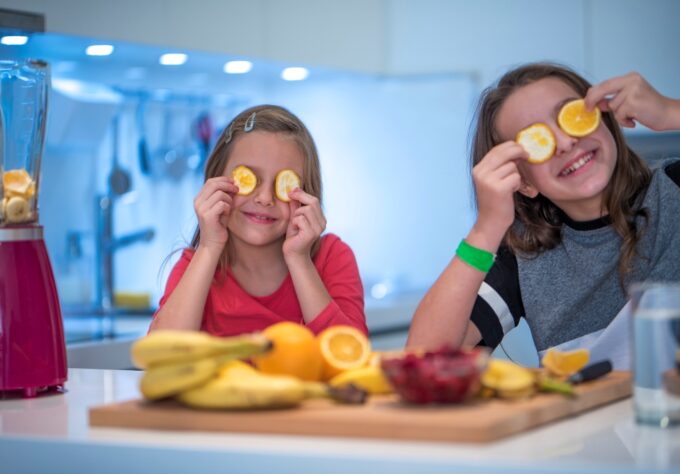
Snacks can be a part of a healthy diet. Think of snacks as a little bridge from meal to meal, especially if meals are consumed longer than four hours apart. Snacks may not always be necessary every day, or between every meal. Aim to limit no more than 2-3 snacks per day, and be sure that healthy snacking is only offered/consumed at appropriate times.  Why Protein and Fiber Make Better Snacks Pairing protein and fiber-rich foods can help fill your child up. The term “satiated” is used to define the feeling of fullness or no longer feeling hungry. To improve satiety, be sure to offer one protein item or one fiber item. Or consider offering a combination of the two.  Protein sources include dairy products such as milk, cheese and yogurt, nuts and seeds, beans, eggs, meat, and fish. Fiber sources include fruits, vegetables, and whole grains such as whole […]

Seasonal Eating: Fall and Winter Produce

Seasonal Eating: Fall and Winter Produce

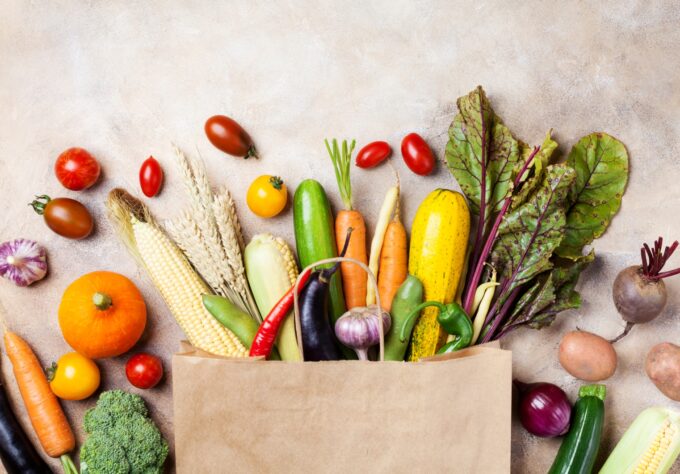
Typically the idea of eating fresh fruits and vegetables seems easiest in the spring and summer when farm stands and markets are more accessible. Thankfully the fall and winter months provide a bountiful amount of fresh fruits and vegetables with many nutritional benefits. Examples of fall and winter produce: Fruit apples cranberries grapes pears pumpkin clementines grapefruit kiwi pomegranate oranges Vegetables beets broccoli brussel sprouts cabbage carrots cauliflower celery collard greens kale mushrooms onions parsnips potatoes radishes sweet potatoes and yams winter squash Benefits Fruits and vegetables provide ample amounts of dietary fiber along with specific vitamins and minerals our bodies need. Notably Vitamin A rich fruits and vegetables really shine in the cooler months. Pumpkin, butternut squash, sweet potatoes, and carrots all contain this essential vitamin. Vitamin A plays a critical role for our eye health & immune system. When choosing seasonal produce, you are making not only a […]

Which Cereals and Bars are Best for Kids?, Powered by Nemours Children's Health System

Which Cereals and Bars are Best for Kids?

A trip to the grocery store can quickly become overwhelming once you turn the corner and head down the aisle with cereals and bars. You could easily end up leaving the store empty handed in frustration. Cereals and bars for kids are an easy alternative for a quick meal or a snack. With so many options, how do you know if what you are buying is the best and healthiest one?  In 2018 the American Academy of Pediatrics released a report stating that food additives are particularly harmful to children since their metabolic systems are still developing. These chemicals may disrupt endocrine function, delay puberty, cause weight gain and trigger insulin resistance. Because of all these risks, it is important to choose cereals and bars that emphasize organic and natural ingredients.  Bars: The “bar” market is not just limited to granola bars. There are protein, fiber, and nut bars all […]

Healthy Portion Size for Kids

“There are starving children around the world and you are going to leave that food on your plate?” How many of you heard this growing up? I certainly did.   It’s basically parenting 101, right? And it comes from a genuine place. You spend money and time preparing food for your family; you don’t want that to go to waste! Not to mention, it’s hard to know how much a child should be eating in a day. Here are some tips that should help encourage a healthy portion size for your kids!  Serving Size Versus Portion Size Before we jump into healthy portion sizes for kids, let’s first break down the difference between a portion size and a serving size. A serving size is a specific measurement of food. Often expressed in cups, tablespoons and grams, the most common example is the Nutrition Facts Label found on the back of […]

Family Meals Means a Healthy Family, Powered by Nemours Children's Health System

Family Meals Mean a Healthy Family

Do you have one (or several) picky eaters on your hands? As parents, we’ve all been there. If you’re concerned about what your child does or doesn’t eat, the solution to your mealtime woes could be as close as your kitchen table. Benefits of Family Meals Family meals provide a multitude of benefits like: allowing parents to act as role models helping to create a supportive environment that promotes healthy eating teaching children about proper nutrition. Children of families who regularly eat together are also less likely to be obese, exhibit behavior problems, or use drugs and alcohol as they get older. Plus, they’re closer with their parents, which is always a good thing! Plan Ahead! Meal planning can make getting meals to the table much easier. But you might be asking yourself “Where do I begin?” or “How can I do it when I juggle so many other things?” […]

6 Tips for a Healthy Holiday Season, Powered by Nermours Children's Health System

6 Tips for a Healthy Holiday Season

The holidays are a time for fun and family, but they can also be hectic and even unhealthy. Check out the following tips to help your kids (and yourself!) make good choices for a safe and healthy holiday season. 1. Get Up and Get Active Kids get most of their physical activity during school and at after-school activities. While they’re off on the holidays, they run the risk of being tied to digital devices, video games or the television. And although they deserve some off time and to celebrate like anyone else, there are lots of ways they can get physical activity during their time off from school. Consider the following: Children and adolescents should do 60 minutes (one hour) or more of physical activity each day. That includes aerobic activity (like brisk walking or running), muscle strengthening (like gymnastics or push-ups), and bone strengthening (like jumping rope or running). […]

Is Your Child a Picky Eater?, Powered by Nemours Children's Health System

Is Your Child a Picky Eater?

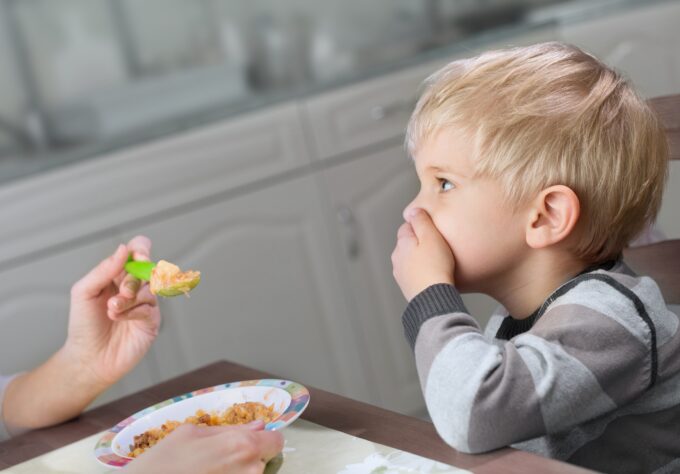
It’s very common for parents to have concerns regarding their child’s eating habits. Picky eating is typical for many children, but parents are always looking for ways to offer new foods and improve their child’s nutrition. Here are some ways to encourage your picky eater to help build a balanced diet. Is My Child a Picky Eater? Picky Eaters vs. Problem Feeders* Picky Eaters Eat a limited variety of foods, but have around 30 foods they will accept Lose interest in a certain food for a period of time, but accept it again after a few weeks Tolerate a new food on the plate, even if they don’t eat it Eat at least one food from most textures (i.e. crunchy, puree) Able to eat at table with family, even if a separate meal Take in enough calories a day for growth and nutrition Sometimes reported by parent as “picky eater” […]

Smart Grocery Shopping Tips, powered by Nemours Children's Health System

Smart Grocery Shopping Tips

Save time and money with these helpful grocery shopping tips! Plan Ahead Before going to the store, it is helpful to have a plan. This will help reduce the amount of time and money spent at the super market. Create a menu Write out meal ideas for each day of the week to help with planning and organization. This will help you decide what you need from the store. Consider writing this menu on a calendar or chalkboard. You do not have to create the menu alone! Ask family members to assistance in selecting meals and recipes. This will make everyone happy, as it gives each person the opportunity to suggest some of their favorite items. Having a “meal plan” for the week helps to limit frequency of dining out or ordering in. Cooking at home can be healthier and more cost effective. Plan to have a fruit or vegetable […]

Mindful Eating, Powered by Nemours Children's Health System

Mindful Eating: Helping Kids Recognize Hunger and Fullness Cues

Why do we eat? While there are many answers to this question, one of the most important reasons for eating is to nourish our bodies. Think of your body as a car. Cars need gas to drive us to our destinations. Gas is the fuel that allows cars to function, and without it they cannot run. Like cars, our body will not run, or run well, without proper fuel in the form of food. What is mindful eating? Put simply, mindful eating is the act of paying attention to your food choices, how you are eating, and how your body feels when eating. Paying attention to your body begins with listening to the signals it displays before a meal. Hunger signals may include any of the following: growling stomach, low energy, irritability, maybe feeling lightheaded. Listening for these cues can help prevent us from eating out of emotions such as […]

Behind Their Bite: When is “Picky Eating” Something More?, Powered by Nemours Children's Health System

Behind Their Bite: When is Picky Eating Something More?

Everyone knows one, has one or was one – a picky eater. The logic behind why a child does or does not eat something is difficult to understand. Sometimes picky eating is as simple as a food being too bitter or too bland. Other times, it can be more complex. I like to remind parents that it can take anywhere from 10-15 tries before a taste becomes likable or even familiar. Coffee is a great example. The first time you tried it, I bet it wasn’t your favorite food. But over time — and early wake ups, dance recitals, baseball practice, carpool, swim lessons and potty training — it probably holds a pretty significant place in your heart (and your sanity). Introducing new foods to picky eaters Introduce a new food with old foods and favorite foods (example: mac and cheese with broccoli) Consider “taste-ability.” Crunchy, sweet, good-looking foods will […]

Sugar Versus Added Sugar, Powered by Nemours Children's Health System

Sugar versus Added Sugar

Sugar tends to be a hot topic in the world of nutrition. It’s important to realize sugar can be a natural part of the food we eat. For example, lactose in milk and fructose in fruit are considered natural sugars. But sugar also implies added sources that tend to be in most of our packaged foods and beverages, with the key word here being “added.” One challenge with our current food label is there is no way to distinguish natural sugar from added sugar unless you review the ingredient list. It’s hard to believe, but there are over 60 terms for added sugar that are approved for use by the FDA. Some common labels for added sugars (besides sugar) include honey, sucrose, high fructose corn syrup, cane juice, and glucose. Other labels for sugar you might see and not recognize include barley malt, maltose, and buttered syrup. Where do most sources […]

Is Organic Food Healthier?, Powered by Nemours Children's Health System

Is Organic Food Healthier?

Let’s play a game. When I say “organic,” you say the first words that come to mind. Ready…Organic! Okay, let’s check your answers. Did you say something like healthy, nutritious, clean, natural, expensive, and/or safe? These are common words used when we talk about organic versus non-organic foods. But is this always the case? Is all organic food healthier, cleaner, more expensive and safe? Before we fully answer this question (spoiler alert: the short answer is no), let’s breakdown what it means when food is “organic.” What is Organic Food? The United States Department of Agriculture (USDA) certifies and labels certain foods as organic if they are produced “using methods that preserve the environment and avoid most synthetic materials, such as pesticides and antibiotics.” Pesticides and antibiotics are used to extend shelf life in the grocery store, reduce plant spoilage and mutation, and prevent illness in livestock. They are GRAS, or […]

Page 2 of 3

Page 2 of 3

Page 2 of 3