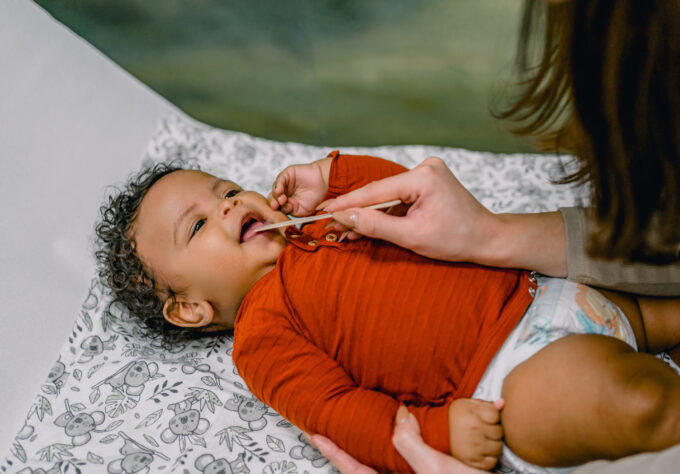
You did it — your bundle of joy is here! Before you know it, the medical staff is telling you, “It’s time for you to be discharged,” and you’re on your way home. And it’s only your first few days being a parent. This guide will walk through what the first week with your newborn baby may look like and, just as importantly, a few things to keep an eye out for along the way.
The first week of infant care is a time of big adjustment — for both you and your baby. Many of the changes you notice are completely normal as your newborn adapts to life outside the womb. But there are also moments when it’s important to pause and check in with your pediatrician.
What to Expect in Your Baby’s First Week
During the first week of life, babies spend most of their time sleeping, feeding, and having wet diapers and stools. At first, this can feel like a constant cycle. It is. Your baby is adjusting to a brand-new environment, and their body is learning how to function outside the womb. You may notice:
- Frequent waking for feeds (often every 2–3 hours)
- Long stretches of sleep between feeds
- Changes in stool color
- Changes in skin appearance
These are all part of normal newborn adjustment.
Newborn Skin and Care
A baby’s skin is very sensitive after birth. You may notice peeling in the first few days of life, and this is completely normal. Babies are covered in fluid while in the womb, so their skin has to adapt to life outside the womb.
During the first week:
- Sponge baths are recommended while the umbilical cord is present.
- Use gentle, unscented products made for babies.
It’s also common to see minor skin problems like dry patches or mild irritation as your baby adjusts. You can learn more about common newborn skin conditions — such as cradle cap or diaper rash — and how to prevent and manage them, from Nemours pediatric experts.
Call your doctor if you notice:
- Redness spreading across the skin
- Swelling or signs of infection
- Skin changes that seem severe or worsening

Feeding Your Newborn
Feeding is one of the most important things your baby will be doing in the first week. Each baby is a little different, and it may take time to get into a rhythm. Whether you’re breastfeeding or using formula:
- Most babies feed every 2–3 hours.
- They will show hunger cues such as sucking on their hands or turning their head towards touch (rooting reflex).
For more detailed guidance on feeding positions, formula feeding, or how feeding evolves over time, Nemours KidsHealth® has in-depth newborn feeding resources that can help.
While frequent feeding is expected, reach out to your doctor if your baby:
- Has trouble latching or feeding
- Becomes very tired during feeds
- Sweats while feeding
- Doesn’t wake up to eat
- Shows little interest in feeding
These can be signs your baby may need additional evaluation or feeding support.
Wet Diapers and Stools
Tracking your baby’s diapers is one of the simplest ways to tell how they’re doing. During the first week:
- The number of wet diapers should increase each day. A common rule of thumb is to expect at least as many wet diapers as your baby’s age in days.
- Stools will also change. At first, they’ll be black and sticky (meconium), then gradually transition to yellow and seedy. These changes can look surprising, but they’re completely normal.
- If you have questions about specific stool patterns or concerns like constipation, Nemours KidsHealth® offers detailed guidance on what’s typical and what’s not.
Reach out to your doctor if you notice:
- Very few wet diapers
- No stools for an extended period
- Sudden or unusual changes
These may signal hydration or feeding concerns.

Umbilical Cord Care
Your baby’s umbilical cord stump will usually fall off in 1 to 2 weeks. It’s normal for the cord to look dark and dry, and for it to gradually shrink.
Contact your pediatrician if you notice:
- Prolonged bleeding
- Pus or discharge
- Redness around the base
- The cord remains attached longer than 2–3 weeks
Sleep and Safe Sleep Practices
Newborns sleep a lot, but they don’t follow a schedule yet. Frequent sleep is completely normal; babies need it for growth, safe sleep is extremely important. Babies should not sleep in a bed with parents due to the risk of sudden infant death syndrome (SIDS).
Babies should sleep:
- On their back
- In a crib or bassinet
- Without blankets, toys, or loose items
For more detailed guidance on sleep routines and safety, see our Nemours KidsHealth® content on “Sleep and Your Newborn.”
Your Baby’s Development in the First Week
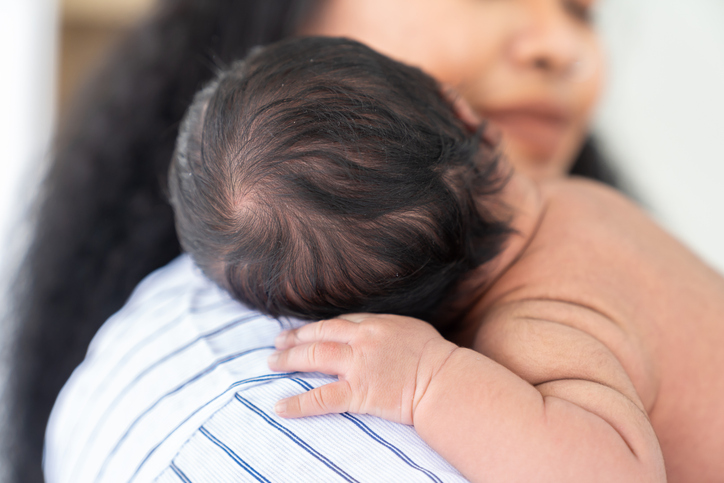
At this stage, your baby will mostly sleep, eat, cry, and have diaper changes. They may begin opening their eyes and responding to touch or sound. For a deeper look at how your baby’s senses are developing, Nemours KidsHealth® offers more detail on “Your Newborn’s Hearing, Vision, and Other Senses.”
Your Newborn’s First Check-Up
Most babies will see their pediatrician within 1–2 days after leaving the hospital. This is a great time to bring up any concerns you’ve noticed at home. At this visit, your newborn’s healthcare team will:
- Check weight
- Monitor bilirubin levels
- Assess feeding and hydration
- Answer questions about what’s normal and what’s not
Important Newborn Warning Signs to Watch For
As you get to know your baby, certain symptoms should always prompt a call to your doctor right away.
Call your doctor immediately if you notice:
- Lips turning blue
- Trouble breathing
- Sweating or fatigue during feeding
- Extreme sleepiness or difficulty waking
- A temperature of 100.4°F or higher
These newborn warning signs require medical attention and should not be ignored.

Newborn Essentials Every Parent Should Have
From a pediatrician’s perspective, a few key items can make caring for your newborn safer and easier:
- Infant car seat: Required by law in every state, if you need help choosing or installing car seats for newborns, ask your pediatrician or look for a car seat clinic in your area.
- Digital thermometer: A must-have since a temperature of 100.4°F or higher is an emergency in newborns.
- Swaddles: Help soothe your baby and promote better sleep.
- Nasal suction: Useful for clearing congestion when your newborn can’t blow their nose.
From Learning to Confidence
The first week with your newborn is full of learning for both you and your baby. While many of the changes you notice are completely normal, knowing what to watch for can help you feel more confident at home. And remember, you don’t have to figure everything out on your own. Your pediatric care team is there to support you every step of the way. And you can access information from Nemours experts 24/7 by visiting the Nemours KidsHealth® Newborn Topic Center.
Written by: Myrhiam Diarra, a third-year pediatric resident at Nemours Children’s Hospital, Delaware.