All Blogs | Nemours Blog | Expert Guidance on Children's Health and Wellness

ARTICLES RELATED TO:
All Blogs

Is It an Emergency or Just Urgent? by Kate Cronan, MD | Promise, Powered by Nemours Children's Health System

Is It an Emergency or Just Urgent?

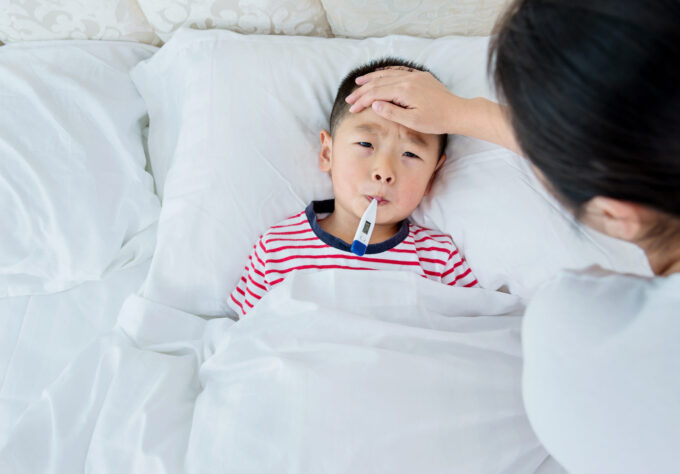
It’s a Saturday afternoon, and you’ve just watched your 8-year-old take a terrifying flip over the handlebars of his bicycle. Or, it’s dinner time on a Tuesday night, and your 2-year-old has put his peas into his nose — instead of his mouth — and now they’re stuck. Should you call your child’s regular doctor? Should you pack up and head to the Emergency Department, or seek out your nearest urgent care center? It can be a tough decision, and it doesn’t help when you’re tired, stressed, and concerned for your child’s health. In some cases, you’ll know instantly if your child requires immediate medical attention. But in other cases, it might be hard to determine whether an injury or illness needs the attention of a medical professional or can be treated at home. The first call can always be to your child’s primary care physician. Your doctor — or […]

Sudden cardiac arrest and teenage athletes | Steven Fishberger, MD | Promise: Powered by Nemours Children's Health System

Sudden Cardiac Arrest and Teenage Athletes: What’s the Risk?

Sudden cardiac arrest is nothing new, but it still gets plenty of attention when it affects a young athlete—usually because it’s so rare, unexpected and tragic. We’re all familiar with the stories of seemingly healthy teenagers collapsing on the field or court and succumbing to cardiac arrest. It’s estimated that between 6,000 and 8,000 young people experience sudden cardiac arrest (or SCA) each year, and only about one in 10 survive. The exact causes of SCA vary widely. Abnormalities in the heart or genetic conditions are often to blame, though there are times in which a definite cause is never found. In all cases, something causes the heart to unexpectedly beat out of control or stop beating altogether. Sudden cardiac arrest is so dangerous because it’s so hard to predict. But if the symptoms are recognized immediately, lives can be saved. Symptoms of SCA include: Collapse Lack of pulse No […]

5 Simple Ways to Grow Good Behavior With Time-Ins, by Meghan Tuohy Walls, PsyD, Powered by Nemours Children's Health System

5 Simple Ways to Grow Good Behavior With Time-Ins

We all know about time-outs: Sending children to their room or removing them from enjoyable people or activities. But how well do we practice time-ins, which help reinforce good behaviors? And why should we work on quality time together? Why Time-Ins and Quality Time? Quality time with parents provides many benefits to kids. An important thing to remember is that quality really does matter over quantity. It’s not necessarily how many minutes you spend with your children, but that you’re present and make the time matter when you’re together. Research suggests positive quality time with parents results in a number of positive outcomes, including: strengthening the parent-child relationship fostering communication improving behavior decreasing later risks in adolescents for both mental health and health outcomes You’re also modeling positive relationships for your children and helping them understand the importance of being engaged and consistent. Start Simple 1. Snuggle. Be generous with your […]

How Hands-Only CPR is Helping More People Stay Alive | Dr. Gul Dadlani | Promise: Powered by Nemours Children's Health System

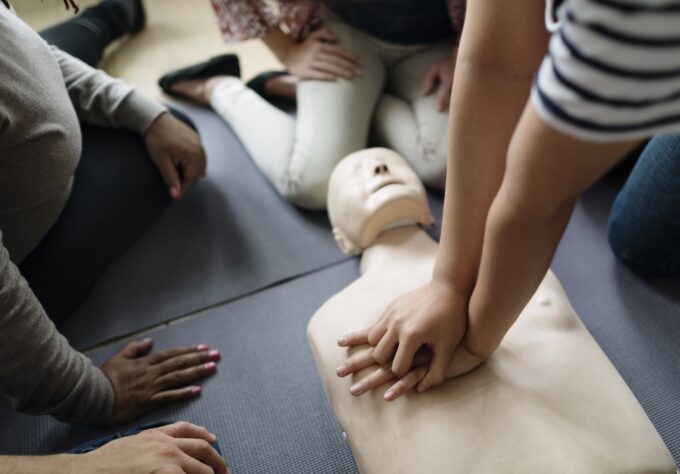
How Hands-Only CPR is Helping More People Stay Alive

Imagine you’re walking through the park, on a play date with a good friend and both of your children, when the outing takes an unexpected turn. Your friend stops mid-stride, struggling to catch her breath. She begins sweating, and before you can understand what’s happening, she’s collapsed on the ground. What do you do? Cardiac arrest is an electrical malfunction in the heart that causes an irregular heartbeat (also called arrhythmia) and disrupts the flow of blood to the brain, lungs and other organs. It’s a leading cause of natural death in the United States. Each year, some 350,000 people experience cardiac arrest outside of a hospital setting. Of those, 90% will die. And while the prompt administration of CPR can double—or even triple—a person’s chance of surviving a heart attack, most bystanders feel helpless to act when it’s most important. Either they’re not confident in their abilities to give […]

Teens Don’t Need Performance-Enhancing Substances. Here's Why, Powered by Nemours Children's Health System

Teens Don’t Need Performance-Enhancing Substances. Here’s Why.

The term performance-enhancing substances brings to mind elite athletes, doping trials and drug tests. But substances like creatine, protein supplements and caffeine are commonly used by teenagers who are driven to perform-and look-their best. It’s a trend that has pediatricians concerned, and one that parents should be aware of. What Are Performance-Enhancing Substances? Performance-enhancing substances, also called sports supplements, are products that claim to use natural products to enhance athletic performance. The claims include increasing muscle mass, strength, speed, endurance, fat loss or recovery time. Most are available over the counter. They may include vitamins, minerals, amino acids, herbs, or botanicals (plants)-or any concentration, extract, or combination of these ingredients. Creatine One of the most popular supplements on the market, creatine, is easy to obtain and comes in a variety of forms (like powders, tablets, energy bars). Creatine is a natural substance that we usually get from protein-rich foods in […]

Meet Emmy: An Atrial Septal Defect Success Story | Promise: Powered by Nemours Children's Health System

Meet Emmy: An Atrial Septal Defect Success Story

When Jill’s third child, Emmy, was born with a hole in her heart, Jill wasn’t too worried. Her two older sons also had the condition—called Atrial Septal Defect (ASD)—and theirs had cleared up over time. In children with ASD, blood recirculates inside the heart, and doesn’t reach the rest of the body as well as it should. Dr. Mary Mehta, Pediatric Cardiologist at Nemours Children’s Specialty Care, Pensacola, worked with the family to track Emmy’s condition. It didn’t improve, and it soon became clear that Emmy would need complex and invasive surgery to repair the hole in her heart. When Emmy was just three years old, the right side of her heart began to enlarge, presenting more risks: asthma-like symptoms and other coronary issues.  It was time to prepare for open heart surgery. Emmy’s family met with Dr. Peter Wearden, Cardiothoracic Surgeon at the Nemours Cardiac Center at Nemours Children’s Hospital […]

Vaccines Are Safe and Effective: One Pediatrician's Plea, by Michelle Karten, MD, Powered by Nemours Children's Health System

Vaccines Are Safe and Effective: One Pediatrician’s Plea

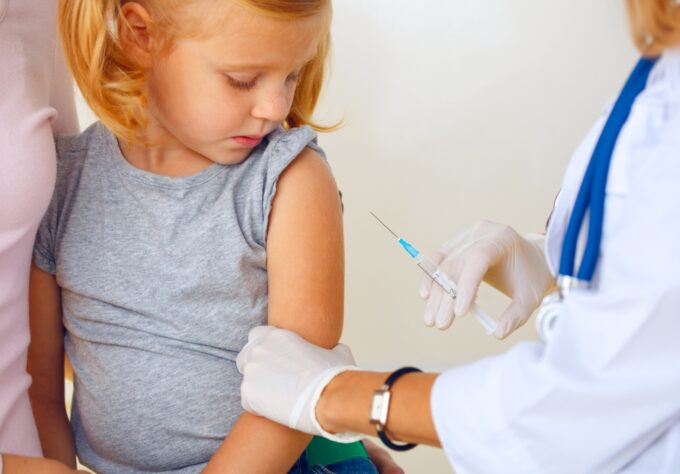
We live in a time of information overload. It’s impossible to open your computer or reach for your phone and not be surrounded by mountains of information. And with so much at our fingertips, it can be hard to know what is true and what is false. I understand the confusion that so many conflicting accounts can cause because I see it every day. But as a mother of two children I cherish, and as a pediatrician and champion of wellness, there is one thing that does not confuse me — the fact that vaccines are safe and save lives. When my first child was born, I cradled her in my arms and vowed to keep her safe. Since that time, I have worked hard to sustain her mind, body, and spirit with healthy habits. I’m fortunate to be a pediatrician who reads avidly, and is able to make sense […]

6 Common Pneumonia Questions Answered, by Kate Cronan, MD, Powered by Nemours Children's Health System

6 Common Pneumonia Questions Answered

Pneumonia is a very common illness in kids. In fact, an estimated 156 million cases of pneumonia are diagnosed worldwide each year — and that’s just in children younger than 5 years old, according to the World Health Organization (WHO). So here’s what you need to know about this infection that’s all too common around this time of year. 1. What is pneumonia, anyway? Simply put, pneumonia is an infection of the lungs. It causes fever, coughing and sometimes trouble breathing. The good news is that most kids with pneumonia can be treated at home, and they usually get better in 1 to 2 weeks. However, in some cases, babies and children with certain other medical problems can get sicker and may need to be admitted to a hospital while they get better. 2. Is there a pneumonia “season?” Your child may be more likely to get pneumonia after having a […]

Kids Stressed?: 16 Tips (for You and Them) That May Help, by Michelle Karten, MD, Powered by Nemours Children's Health System

Kids Stressed?: 16 Tips (for You and Them)

As adults, we’ve all had to handle some amount of stress in our lives. Stress is our body’s way of rising to a challenge and preparing to meet a tough situation with focus, strength, stamina, and heightened alertness. But we often believe kids are happy and carefree – that their lives are simpler than ours. We find ourselves telling them how much harder it will be when they grow up and face the “real world.” The reality is, though, kids are facing their own “real world” every day. Stressors for kids can include issues with family or friends, ongoing challenges with school, or crammed schedules that don’t allow any downtime. And while they may not initiate a conversation about what’s bothering them, kids do want their parents to reach out and help them cope with their troubles. Signs and Symptoms For kids with chronic conditions like migraines or sickle cell […]

Grape Juice to Treat Stomach Flu? by Jordan Smallwood, MD. Promise: Powered by Nemours Children's Health System

Grape Juice to Treat Stomach Flu? Not So Fast.

For generations, parents and families have relied on home cures for everything from colds to tummy aches and sleepless nights. Chicken soup, popsicles and warm milk have proven themselves over decades of use, and now they have company — grape juice. At least, that’s what the internet says. In recent months, tales of grape juice curing stomach flu have cropped up on parenting blogs all over the web. Here’s the idea: If you find yourself (or one of your family members) exposed to the stomach flu, but haven’t experienced symptoms yet, downing three glasses of grape juice will ward off the illness. Multiple sites claim that the grape juice can change the pH in the stomach, making it uninhabitable to stomach viruses. They also claim that the skins of the grapes have anti-viral properties. Is it true? Can grape juice really stop puke in its tracks? Is this the fix […]

Early Attachment: Yes, Parents Can Make a Difference, by Meghan Walls, PsyD, Powered by Nemours Children's Health System

Early Attachment: Yes, Parents Can Make a Difference

How likely will the quality and impression of early relationships influence us throughout our lives? A recent article in The New York Times, “Yes, It’s Your Parents’ Fault,” addressed this concept called “attachment theory” and said it matters a lot. Once you get past the slightly negative title and some psychological jargon, the opinion piece is laden with good information. Why Is Parenting So Important? Instead of blaming parents, let’s take a small step back: Parents can contribute so much value to their children’s lives, especially in the early years. Experts agree that the early years (especially months 0-36) are a critical time for development of relationships, language, and emotional understanding. Simple behaviors such as talking to your baby more, no matter what words are spoken, are impactful. We should teach parents that this period is important and offer support. We might think this comes naturally to parents, but it doesn’t […]

Osgood-Schlatter Disease, Powered by Nemours Children's Health System

Kids’ Knee Pain: Is It Osgood-Schlatter Disease?

I remember when my son was 12 years old, he would wake up in the middle of the night crying and complaining of knee pain. He had started to run track in middle school, and he started to get a little bump just below his knee cap at the top of his shin bone. Our pediatrician called it “growing pains” and said it would go away. He recommended that he do some stretches and ice after track practice. Eventually it did resolve once track season was over, and he didn’t have any problems after that. What I found out later is that this wasn’t growing pains at all – it was a common sports injury known as “Osgood-Schlatter disease.” What is Osgood-Schlatter disease? Although it sounds scary because of the word “disease,” Osgood-Schlatter is one of the most common causes of knee pain in adolescents. It’s an overuse injury that […]

Page 52 of 59

Page 52 of 59

Page 52 of 59