Safety & Prevention | Nemours Blog | Pediatric News and Guidance From Our Experts

ARTICLES RELATED TO:
Safety & Prevention

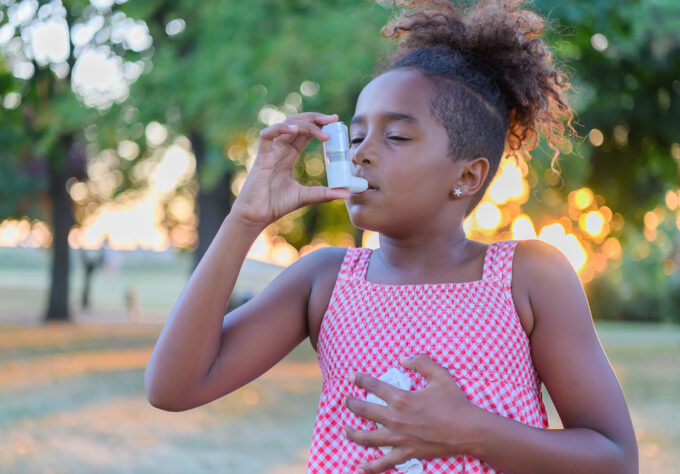
Young Girl is using inhaler for asthma symptom relief during Asthma Peak Week in September

Asthma Peak Week: Why It Happens and How to Stay Healthy

As we turn the calendar page to September, one challenge looms: the arrival of “Asthma Peak Month,” with the third week being “Asthma Peak Week” where asthma triggers are at their highest of the year. This period marks a significant increase in asthma symptoms. Combined with the extra stress and exposures of children heading back to school, understanding why this peak and week happens can help you better prepare your child for the possibility of more asthma attacks. Understanding Asthma Peak Week Asthma peak week, typically the third week of September, marks a critical period when the number of asthma attacks spikes dramatically. Although it affects people of all ages, this phenomenon is particularly notable among children. The transition back into the classroom, for example, exposes kids to a variety of new allergens and irritants (plus viruses), which can trigger or worsen their asthma symptoms. That’s because one of the […]
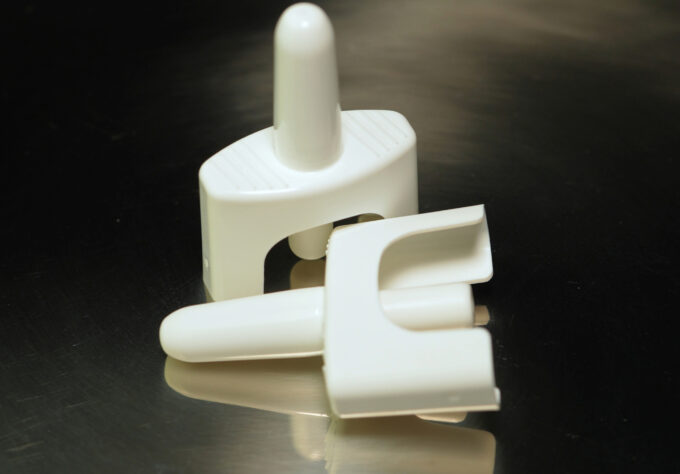
Naloxone (Narcan): A Lifesaving Tool for Families

Naloxone, also known as Narcan, is a powerful and life-saving medication used to reverse opioid overdoses. Opioids are a type of medicine often prescribed to manage pain, but they can be dangerous if misused. Millions of families in the United States have lost a loved one due to an overdose, but in the case of opioid overdoses, we have a tool that can help. The American Academy of Pediatrics called on pediatricians to help reduce these tragic losses by educating families about overdose prevention. By learning about naloxone, you can be better prepared to protect your loved ones and save a life. What is Naloxone? Naloxone is a medication designed to quickly reverse the effects of opioids, such as fentanyl, heroin, and prescription pain medications like oxycodone. Narcan is simply a brand name for naloxone, which is why you may hear it used interchangeably. It works by blocking the opioids […]

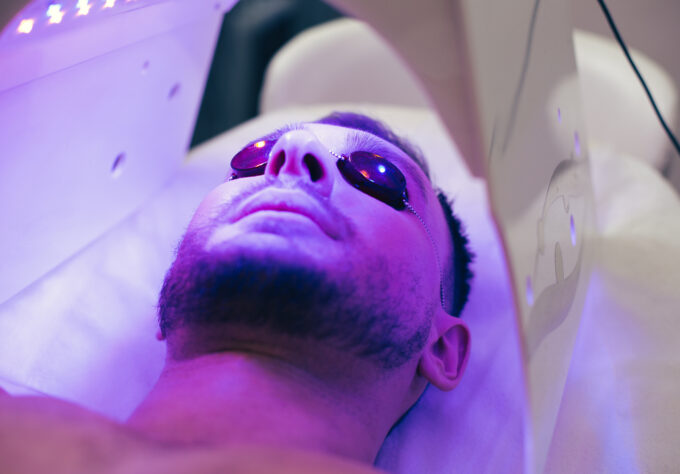
Close up of a calm young man lying in a tanning bed and having protective glasses on his eyes to protect them from UV light

Skip the Bed, Save Your Skin: A Guide to Safer Sun Choices

Many teens enjoy how they look with a fresh tan. To keep that glow year-round, some turn to tanning beds believing it’s a safer or easier option than sunbathing. But here’s the truth: research shows that tanning beds are actually more harmful than natural sun exposure. How Tanning Beds Work and Their Risks Tanning beds use florescent lights to emit ultraviolet (UV) radiation that darkens the skin. The UV exposure stimulates melanocytes — cells in the skin that produce melanin, the pigment responsible for tanning. While it may seem like a simple process, tanning beds expose the skin to high levels of UVA and UVB radiation. While early detection is important, prevention is key. Just 10 minutes in a tanning bed exposes your teen’s skin to concentrated UVA and UVB rays that are often much stronger than natural sunlight — these rays penetrate deep, damaging the DNA in skin cells. […]

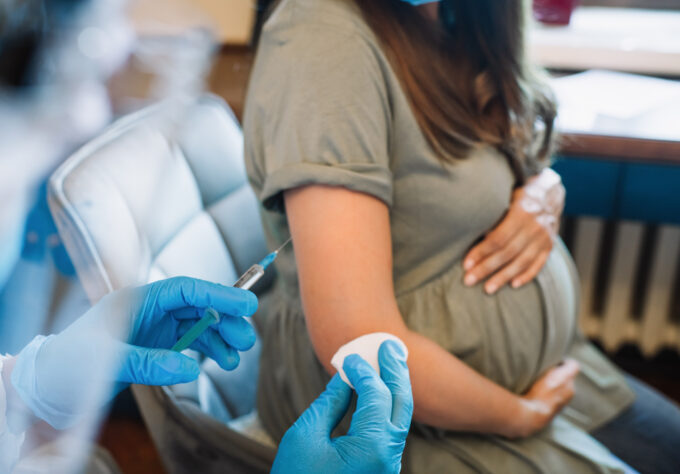
Pregnant woman getting RSV immunization

Protecting Your Baby from RSV: Immunization Options

Respiratory syncytial (sin-SISH-ul) virus (or “RSV”) is the leading cause of infant hospitalization in the United States. Is RSV contagious? Yes, it’s considered highly contagious because it spreads similarly to the common cold. For example, RSV can spread when someone with the virus coughs or sneezes near you or your baby. It can also spread when you or your baby touch surfaces contaminated with RSV droplets from an infected person’s cough or sneeze, and then touch your eyes, nose, or mouth without washing your hands. According to the Centers for Disease Control and Prevention, anyone can get RSV, but most people are infected for the first time as infants or toddlers. Protecting children from RSV involves exploring new immunization options for moms and babies. What Is RSV? RSV is a common and widespread virus. In most regions of the United States, RSV season starts during fall and peaks in the […]

Overheated little child is sitting in front of electric fan trying to cool down.

Summer Safety: Protecting Kids from Sun, Heat and Poison Ivy

As the sun shines brighter and outdoor adventures continue to beckon, summer’s extreme heat can turn into a health hazard if we’re not careful. While the season offers endless opportunities for fun in the sun, it’s not just the sunburns we need to watch out for — hidden dangers like poison ivy lurking in the underbrush can also put an itchy damper on our plans. By recognizing these risks and taking a few simple precautions, we can make the most of the warm days still ahead. Learn to identify, prevent, and treat summer ailments like sunburn, heat illness, dehydration, and poison ivy to keep your family healthy this summer. Common Summer Health Risks for Kids Sunburn: Protecting Your Child’s Skin When kids are outdoors, it’s important to protect their skin from too much exposure to the sun’s ultraviolet rays (UV rays), which can put an immediate stop to summer (and […]

Four kids jumping into a lake on a summer day with two of the younger children wearing life vests to demonstrate proper water safety

Water Safety Tips for Kids: How to Prevent Drowning This Summer

As summer heats up, many of us flock to pools, lakes, and beaches to cool off. But beneath the fun and relaxation lies a serious risk: accidental drowning is a leading cause of injury-related death in children, especially among toddlers and adolescents. Drowning is the number one cause of death for children ages 1 to 4 years and for children and adults with autism, according to the American Red Cross. Learn how to prevent drowning and stay safe in the water with your family this summer. Preparation is Key Before you get to the pool, lake, pond, or ocean: Safety in the Water While you’re in the water: From Avoiding Risks to Understanding “Dry Drowning” Water safety matters everywhere and keeping it top of mind helps you manage the risks. Drowning Statistics and Why They Matter Drowning deaths are on the rise in the United States, following decades of decline, […]

5 Tips to Keep Your Family Healthy This Flu Season

It’s that time of year again: flu season. Thankfully, there are some steps you can take to help you and your kids avoid spending the winter feeling terrible and curled up with a box of tissues. Just ask your child to follow these five tips from our medical experts: Wash Your Hands Washing your hands is the single most effective method of preventing respiratory illnesses, including the flu. Keep in mind, when washing your hands, make sure to scrub for at least 20 seconds. (Just tell your kids that’s about the time it takes to sing Happy Birthday twice.) Always make sure to wash your hands before and after eating food, after contact with frequently touched surfaces, and after blowing your nose, coughing or sneezing. If you don’t have access to soap and water, make sure to use hand sanitizer. Cover Your Coughs (and Sneezes) When you cough or sneeze, […]

Is My Child Gambling? Signs Parents Should Look Out For

Is My Child Gambling? Signs Parents Should Look Out For

Everyone is talking about “March Madness.” Many are tracking their brackets and bets closely. There is plenty of fun to be had cheering for our favorite basketball teams, but it’s also a good time to talk to your child about gambling. You may think this conversation can start when your child is old enough to step into a casino. But for many kids, gambling starts much earlier. Sports betting, lottery tickets, and card games often start in middle school. Some online games bring gambling right to kids’ phones and computers. And these days it’s hard to turn on the TV without seeing a commercial glamorizing the many new avenues for wagering. Here is some information to help you talk with your kids about gambling. What Is Online Gambling? Online gambling is any gambling done through the internet. Common types of online gambling include casino games (poker, slot machines) and sports […]

Melatonin: 5 Safety Tips for Kids and Teens

Melatonin: 5 Safety Tips for Kids and Teens

We all know that terrible feeling of not being able to sleep and drudging through the next day in a fog. If your child is having trouble sleeping, of course you want to help. You have probably heard of using melatonin for sleep problems. Its use has skyrocketed in the past few years. Melatonin is a hormone (or chemical messenger) made by the brain. It helps us fall asleep. Melatonin is also made as a dietary supplement and can be bought in the U.S. without a prescription. But is melatonin safe for kids and teens? Does it work? If melatonin is used with guidance from a health care provider, it is probably safe for short-term use in kids over 5 years. It can help kids and teens get some rest while they work through certain types of sleep problems. But it is still being studied so we don’t know for sure what […]

Fire Safety: What to Know in Case of Fire

Fire Safety: What to Know in Case of Fire

Did you know that winter months are peak time for fire-related deaths? In the event of a fire, you may have as little as two minutes to escape. Home and apartment fires can start and spread quickly. It is important to create a fire escape plan and practice it regularly with your family. Create a Fire Escape Plan The best way to start planning a fire escape plan according to the National Fire Protection Association (NFPA) is to draw a map of your home or apartment showing all doors and windows. The NFPA says families should: Plan two ways to escape from each room. Make sure all doors and windows leading outside open easily. Identify secondary routes: a window onto an adjacent roof or a collapsible ladder from a second-floor window. If you live in a multi-story building, plan to use the stairs – never the elevator. Designate an outside meeting […]

Gathering Safely for the 2021 Holidays

Gathering Safely for the 2021 Holidays

As the holidays approach, you might have mixed feelings. On the one hand, who isn’t excited about gathering with family and friends for traditional holiday meals and celebrations? On the other, the COVID-19 pandemic is not over, and you might be worried the coronavirus will spread even more as people gather for festivities. Fortunately, you and your family members can reduce the risk of getting infected with coronavirus. Virtual gatherings are still the safest way to get together. But if your family will be meeting other families in person this year, the CDC has provided tips for keeping safe as we celebrate: Get vaccinated. The best way to protect people both young and old from getting very sick or even dying from COVID-19 is to vaccinate everyone who is eligible. This includes everyone ages 5 and up. And for people over 18 who are already fully vaccinated, a booster shot […]

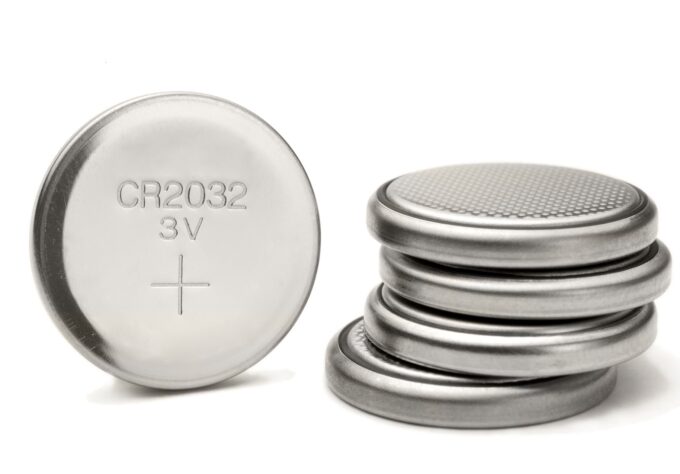
Button Batteries

Button Batteries: Small in Size, Big in Dangers to Children

The child ingestion rate of button batteries is on the rise. More than 3,500 incidents of button battery ingestion are reported to U.S. poison control centers each year. The most serious injuries are usually associated with 20 mm diameter batteries, about the size of a nickel. They are dangerous to toddlers and kids because they are easy to swallow or be inserted into their nose or ears. Serious injuries and even death can result if the button battery is not removed in time. What Are Button Batteries? Button batteries are small, round, and shiny batteries that are found in numerous household items like: Hearing aids Remotes controls Toys Holiday decorations Watches Flameless candles Bathroom scales What Can Happen If Ingested? If swallowed, chemicals in the batteries can cause serious burns when swallowed or get stuck in the body. According to HealthyChildren.org, when the battery makes contact with bodily fluids, it generates […]

Page 2 of 5

Page 2 of 5

Page 2 of 5