Nutrition | Nemours Blog | Expert Guidance on Children's Health and Wellness

ARTICLES RELATED TO:
Nutrition

Close up of a girl holding her stomach indicating indigestion.

The Benefits of a Low FODMAP Diet: A Guide to Better Digestive Health

Does this story sound familiar? Your child just ate lunch and is going about their day when symptoms suddenly hit. They feel bloated and gassy, their stomach starts to cramp, and they may even experience diarrhea or constipation. You see how these symptoms disrupt their day, but nothing you’ve tried seems to help. For many children and teens with irritable bowel syndrome (IBS) or other dietary sensitivities, certain carbohydrates can cause more trouble than they’re worth. The low FODMAP diet for beginners can help calm this digestive discomfort by identifying which foods may trigger symptoms. Learn how to help your child feel more comfortable and confident around food. What are FODMAPs? In 2005, researchers in the Department of Gastroenterology at Monash University in Melbourne, Australia identified a group of short-chain carbohydrates found in food that are either poorly absorbed in the small intestine or impossible to digest. The team named […]

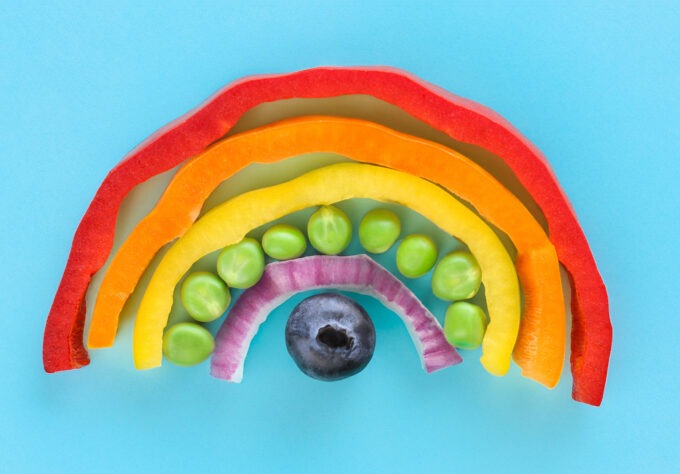
Photo showing close-up, elevated view of arch of chopped multi-coloured fruits and vegetables. Rainbow of chopped red, orange and yellow bell peppers, green peas, red onion and a blueberry.

Eat the Rainbow: Your Guide to Colorful Nutrition

We know eating fruits and veggies can provide tons of health benefits and are an important part of a balanced diet. But why is it so important to “eat the rainbow?” Fruits and veggies are dense in phytochemicals and micronutrients — vitamins and minerals — that our bodies need to function properly and grow, but not all fruits and vegetables are equal. Depending on the color, different nutrients may be more abundant in some fruits and veggies than in others. Let’s explore how eating the rainbow can provide our bodies with different nutrients and what they can do for us! What is a fruit – and what is a vegetable? Fruits are the parts of plants that contain seeds, such as apples, berries, oranges, and melons. Surprisingly, tomatoes, peppers, cucumbers, and avocados are also fruits. They all have seeds and develop from flowers. Healthy fruits are naturally rich in vitamins, […]

Cute child with a basket of organic vegetables

Vegan and Vegetarian Diets for Kids: A Parent’s Guide

If you’ve been following the conversation around plant-based diets for children, you may have noticed something significant happened in 2025. The Academy of Nutrition and Dietetics — one of the world’s largest and most respected organizations of nutrition professionals — updated their position on vegetarian and vegan diets, and the change has sparked considerable discussion in the plant-based community. What does this change actually mean for families raising plant-based kids? Has the science changed, or just the messaging? And most importantly, what should parents take away from this shift? Let’s break down what happened and explore what this means for your family’s plant-based journey. Why do people choose to follow plant-based diets? There are several reasons why someone may choose to follow a vegetarian or vegan diet, including religious reasons, health reasons, preferences or tolerances, environmental reasons and sustainability, and animal rights. There are also health benefits associated with plant-based […]

Little kids pretending to be a doctor. Shot of a cute little girl with a stethoscope examining her brother. Children playing doctors.

Creating Heart-Healthy Habits Starts in Childhood

You might think cholesterol and heart disease are only adult concerns, but research shows cardiovascular disease begins in childhood. Many teens have unhealthy cholesterol levels, meaning their good cholesterol is too low or their bad cholesterol is too high. And the risk increases dramatically with weight — with obese teens being affected at a rate of 43%. Since childhood obesity rates are significantly higher than in previous generations, more kids are developing abnormal cholesterol levels early. And obesity doesn’t just affect cholesterol — it increases the risk of heart disease, diabetes, high blood pressure, and stroke. Ready to make a real difference in your child’s heart health? Here are four simple habits you can start today. 1. Get Moving Every Day Being active at a young age can help lay the groundwork for being physically active as an adult. But how much exercise is recommended for children? Healthy kids should get […]

Child taking piece of sugar substitute with tongs in restaurant

Are Artificial Sweeteners Safe for Kids? What Parents Should Know

The American Academy of Pediatrics recommends kids ages 2–18 consume about six teaspoons of sugar per day. According to most sources, kids in America are consuming at least three times that amount. Added sugar — the kind that’s put in sweetened drinks, flavored yogurts, and even healthy low-fat packaged foods to make them taste better — is also upping kids’ consumption, and there are more than 60 terms for added sugar approved for use by the Food and Drug Administration (FDA). One way many consumers try to lower their use of sugar, both regular and added, is to use artificial sweeteners (also called sugar substitutes). Regardless of intent, most Americans consume some form of an artificial sweeter daily. That’s because sugar substitutes are used in a variety of packaged products from pudding and candy to desserts and syrups. Reducing added sugar is a benefit of artificial sweeteners, but parents need […]

Two little girls are having a water break on the running track at athletics club. One girl is standing with her hands on hips, the other is taking a big gulp of water from bottle.

Nutrition, Hydration, and Recovery for Young Athletes

Supporting a growing athlete starts with understanding one key principle: performance nutrition isn’t about exotic supplements or complicated meal plans. The good news for parents of young athletes is that fueling your competitor is simply about eating the right balance of quality foods for the right activity — from training to post workout recovery to the big game. While athletes do need strategic nutrition to support their performance, the foundation is the same balanced, wholesome eating that benefits everyone in your family. Sports nutrition is really just smart, consistent healthy eating — with a few key timing adjustments. Building Blocks of Sports Nutrition Carbohydrates: The Primary Energy Source for Young Athletes Carbohydrates are found in foods like pasta, rice, bread, cereal, fruits, vegetables, and dairy. They are the body’s preferred source of energy during a workout. During digestion, carbohydrates are broken down into sugar and used immediately for energy, while […]

girl making a face while eating a vegetable

Tips for Helping Your Picky Eater Enjoy Healthy Foods

You are at your pediatrician’s office for a well-visit, and the doctor asks you to describe your toddler’s diet. You want to say they eat a variety of healthy foods, but in reality, your child refuses to look at anything green or remotely healthy and is hooked on pizza, chicken nuggets, and mac and cheese. Does this sound familiar? Don’t worry — you’re not alone, and we’re here to help! Let’s work together to find creative ways to get more fruits and vegetables into your picky eater. Better Tricks for Better Eating Habits You may have heard about ways to sneak healthy options into foods your child already likes, such as zucchini in muffins and blended broccoli into spaghetti sauce. While this is a great way to increase fruit and vegetable intake, there may be more long-term benefits in helping your child learn to want to eat these foods. To […]

Mother with toddler on hip holding a carton of cooking cream and checking label

Decoding Food Labels: A Pediatrician’s Guide for Parents

Walking around the grocery store can be overwhelming with so many products lining the shelves. To add to the difficulty and confusion are Nutrition Facts food labels. What should we avoid? What should we look for in the products we buy and consume? Is the number of calories the only thing that matters? Are portion sizes misleading? What are the facts behind nutritional facts? Where to Start with Nutrition Labels There are four main components to a Nutrition Facts label: serving information, calories, nutrients, and percent daily value. Serving Size A serving size refers to the amount of food typically eaten at one time. The serving per container represents how many servings are in the respective package. This section of the label is meant to help you determine the right portion size for your family members, and it may require a little math. For example, one serving of this food […]

Healthy Spring and Summer Eating: Registered Dietitians’ Top Tips

Spring and summer have always been favorite times of the year for many families. Temperatures start to warm up, and many people pack away their winter jackets for the season. The sun stays out later each day, giving everyone more time in the evenings to enjoy walks outside; and the fresh fruits and vegetables become more abundant than ever. During the spring and summer, trips to the farmers market are a favorite hobby for many families. Nothing beats the taste of locally grown produce, freshly picked and sold right from the growers. We asked a few registered dietitians here at Nemours Children’s Health to share tips they give with families looking to eat healthy during the warmer months. Here’s what they said. Snack Hacks Homemade Fruit Pops “Try homemade frozen fruit pops for a yummy, healthy and refreshing treat. Just mix together yogurt, berries and milk; pour into a popsicle […]

Preventing Iron-Deficiency Anemia

What is Iron-Deficiency Anemia? Iron-deficiency anemia is a condition that happens when there isn’t enough iron in the body. An infant or child with anemia has a lower number of red blood cells (RBCs), and RBCs contain hemoglobin (HEE-muh-glow-bin), a protein that carries oxygen throughout the body. The body needs iron to make hemoglobin. Without enough iron, less hemoglobin and fewer red blood cells are produced, which leads to anemia. Unlike some types of anemia, iron-deficiency anemia (also called “IDA”) can be prevented. It’s also relatively easy to treat with things like iron supplements and dietary changes. Preventing IDA Symptoms and Screenings for IDA As part of routine wellness, you should have your child screened for anemia at the 12-month and 24-month well-child visits. If your child is showing signs of iron-deficiency anemia, ask your pediatrician to screen your child for anemia. Common symptoms a child may exhibit include would be things like: […]

Nemours Children’s Health Celebrates National Farm to School Month with Early Care and Education Programs

Nemours Children’s supports Farm to Early Care and Education (ECE) across the country. In honor of National Farm to School Month, the National Office of Policy and Prevention is highlighting three states that are improving child care program environments for young children through Farm to ECE activities. This month thousands of schools, child care programs, farms, communities, and organizations across the United States celebrated food education, school gardens, and meals made with healthy, local ingredients. Farm to ECE is a set of strategies and activities for programs that serve young children ages birth to five. Farm to ECE focuses on increasing access to three core elements: local food sourcing, on-site gardens, and food and farming education. These activities teach children about healthy food by engaging all five senses and can increase their fruit and vegetable intake, as well as their willingness to try new foods (CDC). Through the Healthy Kids, […]

Energy Drinks & Kids: Know the Risks

Discover the risks associated with energy drinks for kids and learn about healthier alternatives. This article explores the ingredients in energy drinks, their potential dangers, and the importance of open communication with children. Help your kids make informed choices and adopt healthier habits.

Page 1 of 5

Page 1 of 5

Page 1 of 5