All Blogs | Nemours Blog | Expert Guidance on Children's Health and Wellness

ARTICLES RELATED TO:
All Blogs

Homeland Security Cadet Camp Gives Kids Chance to be Crime Fighters

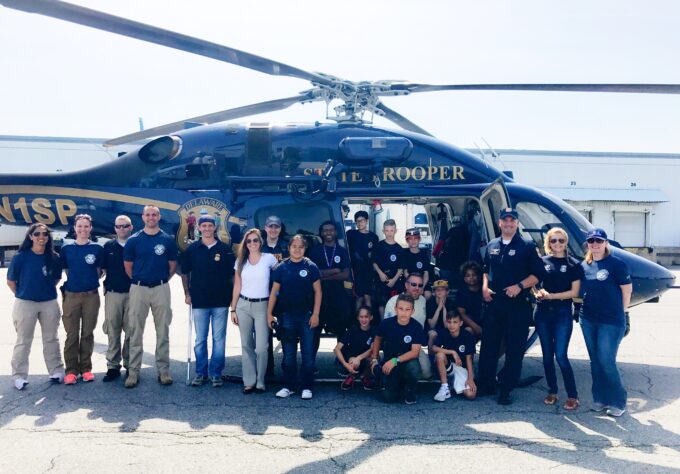
Have you ever watched one of the CSI TV shows or Criminal Minds and wondered what it would be like to investigate a federal crime? This summer some of our patients were given that very opportunity. The 2nd annual Homeland Security Cadet Camp took place at Nemours/Alfred I. duPont Hospital for Children earlier this summer. For one week, patients from our hospital, along with their siblings (eleven kids total), had the opportunity to experience the entire process of investigating a crime—from gathering evidence and following leads to tracking down and capturing the “bad guy!” This program is entirely free for kids and is a huge community effort that includes Chester County SWAT, Pennsylvania State Police, Homeland Security, Immigration and Customs Enforcement (ICE), and many more, including Child Life here at the hospital. The week included classroom instruction, field trips, and the final day at a training facility in Chester County, PA. […]
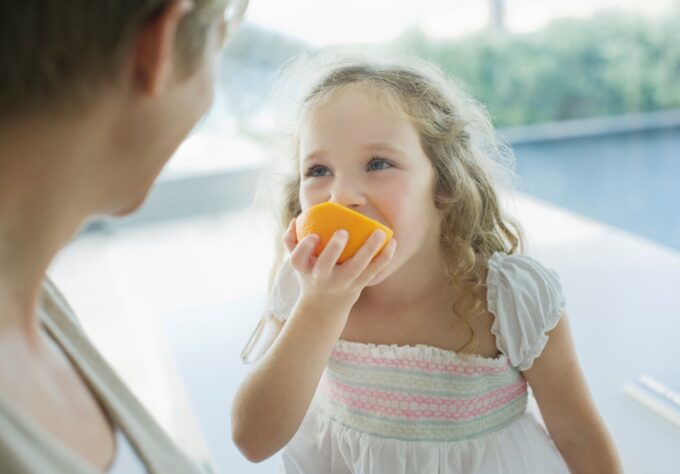
Sugar Versus Added Sugar, Powered by Nemours Children's Health System

Sugar versus Added Sugar

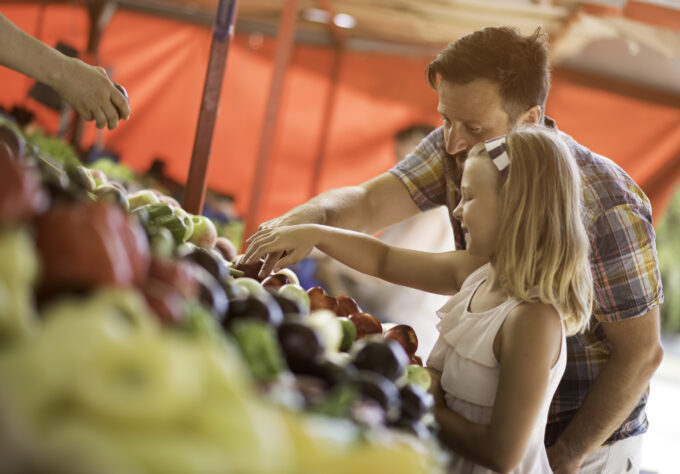
Sugar tends to be a hot topic in the world of nutrition. It’s important to realize sugar can be a natural part of the food we eat. For example, lactose in milk and fructose in fruit are considered natural sugars. But sugar also implies added sources that tend to be in most of our packaged foods and beverages, with the key word here being “added.” One challenge with our current food label is there is no way to distinguish natural sugar from added sugar unless you review the ingredient list. It’s hard to believe, but there are over 60 terms for added sugar that are approved for use by the FDA. Some common labels for added sugars (besides sugar) include honey, sucrose, high fructose corn syrup, cane juice, and glucose. Other labels for sugar you might see and not recognize include barley malt, maltose, and buttered syrup. Where do most sources […]

Vaccines: It Doesn't Have to Hurt, Powered by Nemours Children's Health System

Vaccines: It Doesn’t Have to Hurt

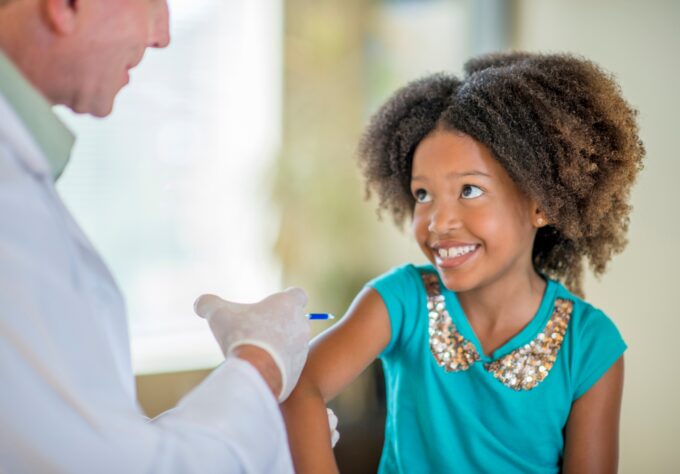
Back-to-school is approaching fast. If you’re like many parents, that means back-to-school physicals and possibly vaccines or blood draws for your kids too. For some families, this topic makes kids and parents alike cringe. We know the critical importance of vaccinations, but it doesn’t make it easier on a child who is frightened of needles, or on parents as they watch their kids squirm, scream, and cry in anticipation of the shot or needle. Thankfully, research doesn’t stop at the safety and efficacy of vaccines. Dr. Christine Chambers and Anna Taddio are well-known pediatric psychologists who study pain and have worked to get the message out publicly that pain management in kids is important and accessible, especially in the case of vaccine! The campaign, “It Doesn’t Have to Hurt” is an excellent resource for parents. Currently, fewer than 5% of kids receive any pain management during vaccines. It’s reassuring to […]

Is Organic Food Healthier?, Powered by Nemours Children's Health System

Is Organic Food Healthier?

Let’s play a game. When I say “organic,” you say the first words that come to mind. Ready…Organic! Okay, let’s check your answers. Did you say something like healthy, nutritious, clean, natural, expensive, and/or safe? These are common words used when we talk about organic versus non-organic foods. But is this always the case? Is all organic food healthier, cleaner, more expensive and safe? Before we fully answer this question (spoiler alert: the short answer is no), let’s breakdown what it means when food is “organic.” What is Organic Food? The United States Department of Agriculture (USDA) certifies and labels certain foods as organic if they are produced “using methods that preserve the environment and avoid most synthetic materials, such as pesticides and antibiotics.” Pesticides and antibiotics are used to extend shelf life in the grocery store, reduce plant spoilage and mutation, and prevent illness in livestock. They are GRAS, or […]

Nemours Solid Organ Transplant Team Saves Lives in Bolivia, Powered by Nemours Children's Health System

Nemours Solid Organ Transplant Team Saves Lives in Bolivia

For many years, Dr. Stephen Dunn, Chair, Department of Surgery and Chief, Division of Solid Organ Transplant at Nemours/Alfred I. duPont Hospital for Children, has volunteered his time and expertise to assist colleagues in Bolivia with life-saving liver transplantation for their pediatric patients. In early May, Dr. Dunn and fellow Nemours team members traveled to Bolivia as volunteers to continue this important work. On this particular trip, interventional radiologist Dr. Deborah Rabinowitz performed a radiologic procedure for a child who had complications after a liver transplant at Clinica Incor in Santa Cruz, Bolivia. It was the first time a pediatric invasive radiology procedure of this type had ever been performed in Bolivia. Dr. Rabinowitz joined the team of physicians for this project specifically to assist this child. In this case, an obstructed bile duct had caused a serious infection that threatened the child’s life. In the past, treatment in Bolivia would have required […]

Hands Up for Haiti: Helping the Country’s Children and Families

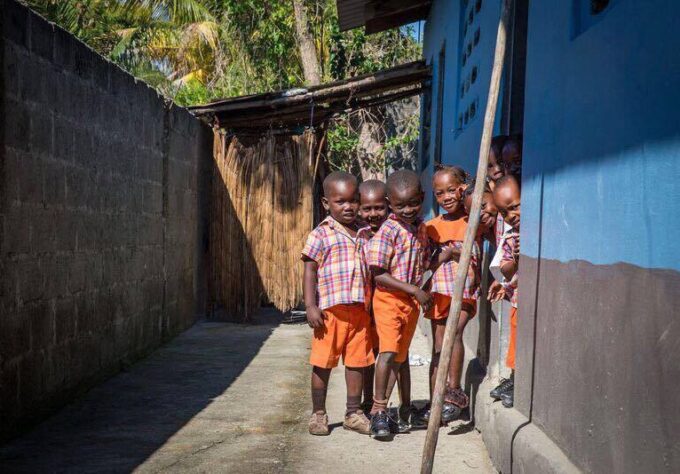
Dr. Tamar Goldberg, a second-year pediatric resident at Nemours/Alfred I. duPont Hospital for Children, reflects on volunteering with Hands Up for Haiti. In July 2017, Dr. Goldberg will start her subspecialty training in pediatric neurology and neurodevelopmental disorders at Boston Children’s Hospital. Children in orange and plaid school uniforms with hair neatly parted in matching bows shout “blanc, blanc,” and wave at our rickety van as we pass. Palm trees grow at the roadside along with banana trees and rows of cactus bushes displaying that afternoon’s clean laundry. Locals push wheelbarrows full of coconuts or steer their donkeys carrying lumber. Goats and chickens mill around in vast green fields leading up to lush mountains. In February 2017, I had the opportunity to travel to Haiti with a team of pediatric residents from Nemours/Alfred I. duPont Hospital for Children to provide medical care for children in partnership with the organization Hands Up […]

Caffeine-Related Death Offers Cautionary Tale, Powered by Nemours Children's Health System

Caffeine-Related Death Offers Cautionary Tale

Recently, a 16-year-old high school student collapsed at school and was pronounced dead an hour later. His parents were devastated, and the time they should have spent together as a family was now being spent on making funeral arrangements, procuring a Batesville casket, and grieving for the loss of their son. How could this have happened? Spontaneous death is a rare occurrence that few parents will have to worry about. Though sudden death is often caused by the introduction of a food or chemical into the system. During the investigation into the student’s death, no drugs or alcohol were found in his system. However, he was known to have ingested a significant amount of caffeine in the two hours before his death, including soda, coffee and energy drinks. The cause of death was determined to be cardiac arrest due to arrhythmia, caused by excess caffeine ingestion. With arrhythmia, the heart […]

For Kids with Scoliosis: Nemours Host 4th Annual Mentoring Event, powered by Nemours Children's Health System

For Kids with Scoliosis, Nemours Hosts 4th Annual Mentoring Event

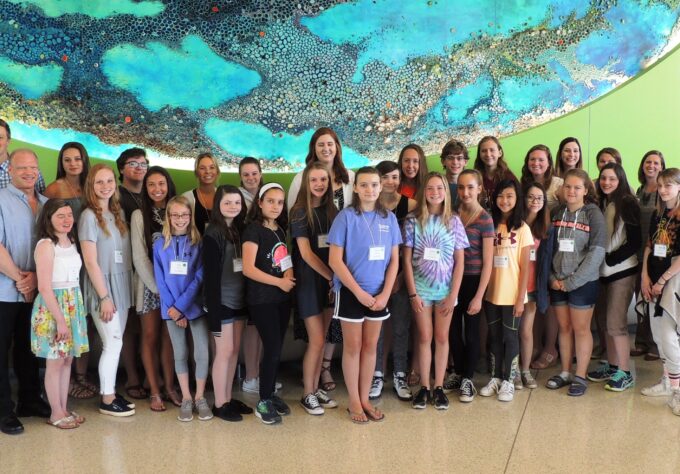
This year marked the fourth time that patients and families gathered to share stories, common concerns, and inspiration at our annual Patient and Parent Mentoring Event, hosted by the Nemours Spine and Scoliosis Center. More than 100 people gathered at Nemours/Alfred I. duPont Hospital for Children on a gorgeous spring day. As in years past, this event was open to families with adolescents who have idiopathic scoliosis, which is the most common form of the disease. More than 3% of the population has scoliosis, a condition that causes the spine to curve from side to side. For some, no treatment is necessary, just periodic monitoring of the curve by a healthcare provider. For others, treatment is required, which can include bracing to halt or slow down the progression of the curve, or surgery to correct the deformity. At the mentoring event this year, Dr. Suken Shah started things off by […]

Vitamin D: Is your baby getting enough?, Powered by Nemours Children's Health System

Vitamin D: Is Your Baby Getting Enough?

Vitamin D helps to ensure that our bodies absorb and retain calcium and phosphorous, which are both needed for building strong bones. The need for vitamin D begins even before a baby is born; insufficient intake can put an infant’s bone development at risk. Why is Vitamin D so Essential? Severe vitamin D deficiency can lead to nutritional rickets, which can cause softened and weakened bones. This disease is most often seen in children younger than 2 years of age. Because recent studies have shown that most infants in the United States have not been consuming enough vitamin D, the American Academy of Pediatrics (AAP) now recommends that all infants have a minimum intake of 400 International Units (IU) of vitamin D per day beginning soon after birth. How Does the Body Get Vitamin D? Vitamin D can be obtained in two ways: first, from the foods we eat; and […]

Lawn Mower Safety - Powered by Nemours Children's Health System

Kids and Lawn Mowers: Tips to Stay Safe

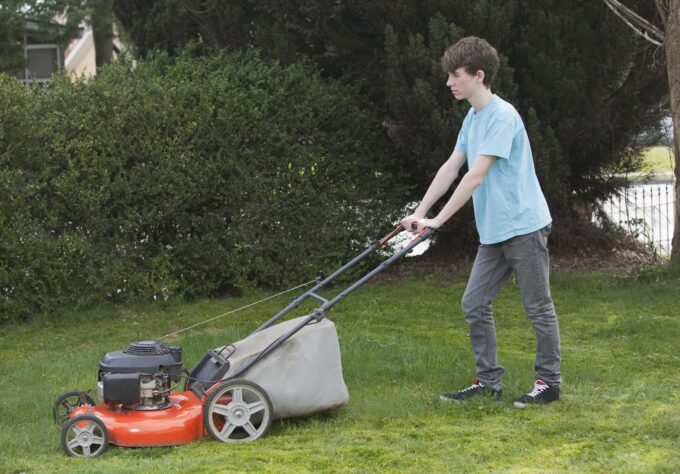
Each year you know it’s coming. The transition from a crisp wind to a warm breeze, green overtaking barren trees, longer days, and kids riding bikes and scooters. Winter takes its exit as spring reawakens the outside world. And with the change of seasons, the familiar growl of lawnmowers everywhere! Each year, up to 4,800 children are injured in lawn mower accidents. And 75 children die each year from lawn mower accidents. The most common injuries from lawn mowers are cuts, usually to the hands or fingers. Lawn mowers can also kick up rocks and sticks that act as projectiles, which can cause eye injuries or cuts. Kids under five years can get burned by coming in contact with the mower. In fact, passengers and bystanders are more likely to be admitted to the hospital than the person operating the mower. Lawn mower-related injuries are the most common reason for traumatic amputations […]

Community Health Improvement: From the Community to Your Child, Joannie Yeh, MD | Promise, Powered by Nemours Children's Health System

Community Health Improvement: From the Community to Your Child

With all of the news and debates about health care these days, you may have heard the term “community health improvement.” You may hear even more buzz about it during Community Health Improvement Week, June 5-11th. Community health improvement essentially means identifying and addressing communities’ health needs in order to improve the health of the community as a whole — not just the health of individuals. So why does that matter to you or your child? Because “community health” involves so many aspects of our lives. These are the kinds of things to consider when it comes to community health improvement: Socioeconomic factors Is affordable transportation available for families to get to and from appointments? Do they have money for copays and medications? Can they afford to the make lifestyle changes — low-salt diet, more fruits and vegetables — that the doctor recommended? What is the state minimum wage? Health […]

A Garden Grows a Healthy Child - Powered by Nemours Children's Health System

A Garden Grows a Healthy Child

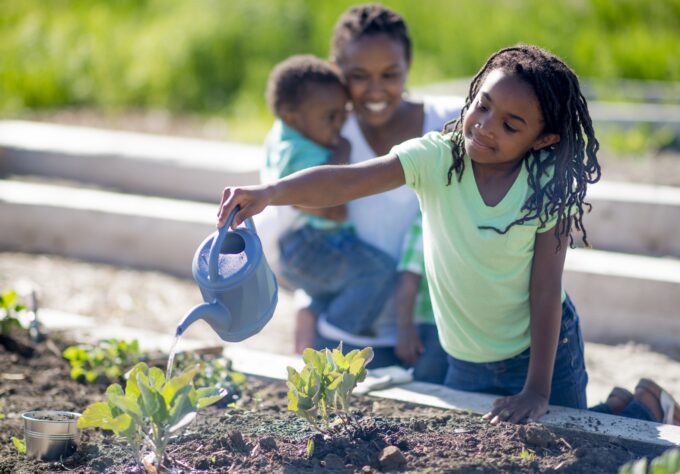
A garden is a place of mystery, adventure, collaboration and accomplishment. It’s a place to learn about our environment and where natural, whole foods come from. It’s where children can laugh and play while developing valuable social and cognitive skills for a brighter future. If your child has never been introduced to gardening before, these are just a few reasons to start. Children Who Help in the Garden May Eat More Fruits and Vegetables. Research has shown that children engaged in gardening projects may eat more fruits and vegetables, become more knowledgeable about nutrition, and continue healthy eating habits into adulthood. Gardening can also improve social skills, behavior, academic achievement in math and science, and attitude towards the environment.  With all of these positive outcomes, let’s dig in! Below are some ideas adapted from kidseatright.org to help you and your young one get started. Involve kids in every step of […]

Page 50 of 59

Page 50 of 59

Page 50 of 59