Dr. Steven Andreoli and Dr. Gary Josephson discuss and answer viewers’ questions about ear tubes.
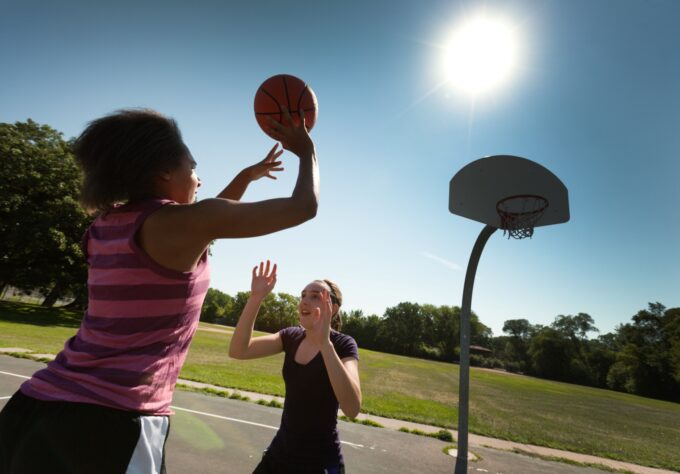
As states slowly and cautiously remove stay-at-home orders during this global pandemic, and people ease into what is being called the new normal, kids are more than anxious to get back to the sports they love. While restrictions and guidelines differ depending on your state, what should be consistent across the board is the desire to return to “game shape” safely. Back in mid-March of 2020 everything came grinding to a halt. Kids went from 60 to zero as their sports and school activities were canceled en masse. I think it’s fair to say many kids, including my own, became much more sedentary, even joining classes and doing school work right from their own bed in the comfort of their PJs! As the hot weather approaches, and our kids return to sports — whether to emerge on the ball field, jump in the pool, hop on the track, or enter […]
Kids are kids: they’re going to fall, crash, and slip and get lots of bumps and bruises. With an outbreak like we’ve experienced in 2020, there are even more risks to the health and safety of your children, especially during an unusual summer holiday. There are actions we can all take to ensure that children have fun this summer while avoiding serious injuries and illnesses. A compilation of resources is below to keep your kids safe this summer and all year long. Safety in Your Home We typically think of our homes as safe space for our children to play, spend time with the family, and relax; however, your home contains multiple objects that can cause injuries to your kids and lead to anything from falls to suffocation. Here are steps that you can take to prevent accidents in your home: Home Safety Checklist Consumer Product Safety Commission (CPSC) Broken […]
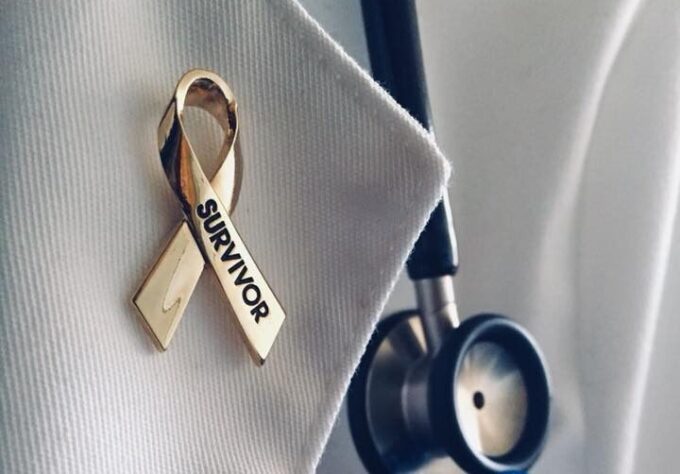
We found hope at Nemours. This is where we learned how to fight. The doctors at Nemours explained the realities of this difficult diagnosis, but they did it in a way that was also filled with hope. They told us that Jude would write his own story. They taught us how to fight for him, care for him and advocate for him. We drive from Charlotte to Wilmington, Delaware for Jude to receive his medical care at Nemours with the incredible team there.
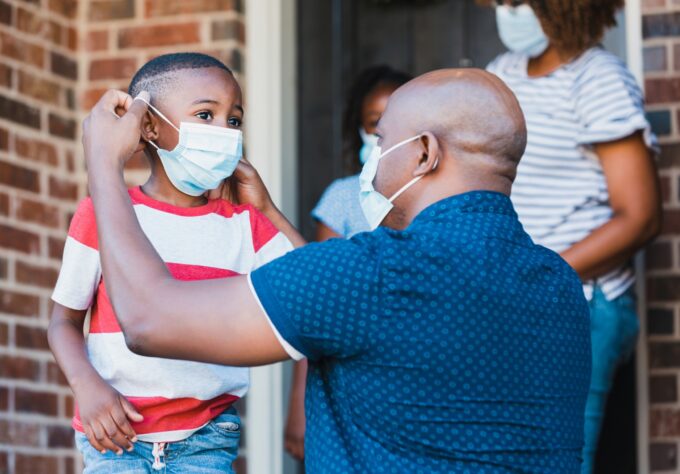
Remember back in March when we thought COVID-19 would keep us home for a couple of weeks, then we’d get back to normal? We’ve learned a lot about the coronavirus since then. We now know that protecting ourselves and our families means creating a new normal. Here are tips on avoiding COVID-19 as you venture back into the world.
There are exciting “extracurricular” projects that we should be completing with our kids to help stimulate their creativity and keep them engaged with the learning process. We put together a list of educational activities that will also help teach your young ones basic life skills.
Healthy Ways to Avoid Crowds and Keep Kids Engaged during the Coronavirus Pandemic The COVID-19 (novel coronavirus) pandemic has changed Americans’ daily lives due to cancellations and closures just as many parents and kids prepared for spring break. Schools and other organizations are now closed for at least two weeks in an effort to reduce the spread of the virus. Kids are thrilled, but parents are… well, not. Here are some things parents can do with kids while avoiding crowds, and coronavirus, and keeping some level of sanity. Make a nature bracelet.When I was little, my grandmother took me on “nature walks” in her neighborhood. She made a bracelet for me out of tape, turned sticky side out, and I would pick flower petals, leaves, blades of grass, and other items from nature to “decorate” my bracelet. Put on a show with homemade puppets.We’ve all created puppets out of cotton […]
Help Kids Understand What it Is COVID-19 is a new disease that is caused by a coronavirus. Coronaviruses cause a number of different illnesses, from colds to more serious respiratory tract infections. Because this is a new illness, we’re still learning about it. But we do know that COVID-19 causes a fever, cough and trouble breathing. We also know that it spreads very easily when people who have it cough or sneeze, sending tiny droplets into the air. That’s why it’s important to do things to stop it from spreading, like washing our hands a lot and staying away from other people if we feel sick. For most people, the illness is not serious. People might feel a bit like they have the flu and can recover at home with rest and fluids. Some people do get very sick, though. These people can get help and expert advice from their […]
Coronavirus is a common respiratory virus, with symptoms similar to a common cold, that affects most people at some point during their lives. In 2019, a new strain of coronavirus, called COVID-19, or 2019 Novel Coronavirus, began in the city of Wuhan, China. The World Health Organization has declared this strain an international pandemic. The Centers for Disease Control are monitoring the situation abroad and in the United States very closely. This is a rapidly changing situation and the risks for the virus change daily. You can find the latest updates available on CDC’s Coronavirus Disease 2019 (COVID-19) website. Travel Information CDC is currently recommending that travelers avoid all nonessential travel to China, South Korea, Iran, most European countries, and the UK and Ireland. If you or a member of your family has traveled to any of these countries recently and are showing signs of respiratory illness, contact your health […]
Teen Dating Violence, also known as TDV, is a type of intimate partner violence that happens between two teens in a close relationship. But TDV doesn’t just affect teenagers, though; it impacts families, teachers, friends and whole communities. That’s why it’s essential that parents, educators and health professionals talk to young people about the risks and consequences of the issue. Teen Dating Violence Statistics Teen Dating Violence is probably more common than you think. It affects millions of teens in the U.S. each year. Data from CDC’s Youth Risk Behavior Survey and the National Intimate Partner and Sexual Violence Survey provide some alarming statistics: Youth age 12 to 19 experience the highest rates of rape and sexual assault. Nearly 1 in 11 female and approximately 1 in 15 male high school students have experienced physical dating violence in the last year. About 1 in 9 female and 1 in 36 […]
What Is Vocal Cord Dysfunction? When a pre-teen or teenager experiences trouble breathing while exercising or playing a sport, many doctors and parents are quick to diagnose the child with asthma. But in some cases, it’s not asthma at all — it’s vocal cord dysfunction, a condition that occurs when the vocal cords do not open correctly. The symptoms of the condition are very similar to asthma, with a child experiencing difficulty breathing or coughing and wheezing. The difference, however, is that vocal cord dysfunction doesn’t improve with a rescue inhaler or a prescription steroid. And for some children, the condition is never diagnosed because, frustrated and distressed, the child quits the activity. But the good news is that vocal cord dysfunction can be diagnosed and treated with the correct therapy. Understanding the Symptoms “Children with vocal cord dysfunction often describe tightness as you’d find in asthma, but opposed to […]
For several decades, much of the focus on body image disorders has focused on females. In American society, the feminine ideal is to appear thin. Males, however, are encouraged to be muscular. Lately, we are witnessing a shift in how males perceive their bodies. Boys Feel the Pressure Too Many of today’s young males want a strong body; specifically, they want more muscles. With action figures such as Batman, Captain America, and Superman to magazine covers boasting “Double your muscle!” and “Bigger arms now!” it’s no wonder that teens view being chiseled and ripped as the ideal male body image. It’s one thing to play with an action figure or peruse a magazine, but it’s quite another to think obsessively about becoming muscle-bound and to diet and exercise compulsively to look this way. Sound like obsessive compulsive disorder (OCD)? Yes. Sound like an eating disorder? Yes. What Is Muscle Dysmorphic […]
Page 42 of 59