Prenatal genetic counseling and preconception (the time period and care that happens prior to pregnancy) genetic counseling and testing offer ways to gain further information and education that can help patients and families make informed decisions about their pregnancy and for preconception planning. There are many testing options available nowadays with different benefits, risks, and limitations. This article lays the foundation for essential questions you may have, such as:
- What is prenatal genetic testing (screening vs. diagnostic)?
- What can the results tell families and what are the limitations?
- How does genetic counseling support decision-making?
- Do I need genetic counseling?
However, it’s important to keep in mind that genetic counseling and genetic testing are voluntary — it’s your choice. In fact, the American College of Obstetricians and Gynecologists (ACOG) reaffirmed in January 2026 that, “After pretest counseling, every patient has the right to pursue or decline prenatal genetic screening and diagnostic testing.” So, keep the communication open with your OB/GYN, or maternal-fetal medicine doctors, about the types of testing you’re comfortable with and what the information means (and what it doesn’t).
What is prenatal testing?
Prenatal genetic testing is different from other prenatal tests, or what most people call “prenatal labs”. Generally speaking, the difference between the two is that most prenatal testing or labs are done to monitor and identify treatable health problems that develop during pregnancy due to physiological changes in the mother that can affect the baby, or even a condition or disease the mother had before becoming pregnant. These can include gestational diabetes, kidney problems, preeclampsia, and communicable diseases.
On the other hand, prenatal genetic testing looks for conditions which are inherited through DNA from one or both parents or arise from new genetic variants. Some conditions that prenatal genetic testing can identify include inherited conditions like cystic fibrosis and sickle cell disease, multifactorial conditions like spina bifida or cleft palate which are caused by a combination of genetic predisposition plus environmental factors, or Down syndrome which most often occurs due to a random error during cell division although risk does increase with maternal age.
Which pregnancy tests are common in prenatal genetics?
ACOG now recommends prenatal cell-free fetal DNA screening (also called non-invasive prenatal testing/screening or NIPT/NIPS) as a first-line screening option for all pregnancies, regardless of age or risk factors. This is a major shift from when it was offered only to high-risk pregnancies. That’s because with improved insurance coverage, falling costs, and strong professional guidelines supporting universal screening, it’s now considered a standard of care in pregnancy, rather than an exceptional measure.
There are two categories of prenatal genetic tests:
Prenatal Genetic Screening Test
Genetic screening is a type of genetic testing that provides information about the risk, or chance, for specific genetic conditions. The example noted above that many people are familiar with is prenatal cell-free DNA screening (also known as non-invasive prenatal screening/testing or NIPS/NIPT).
Prenatal Diagnostic Genetic Test
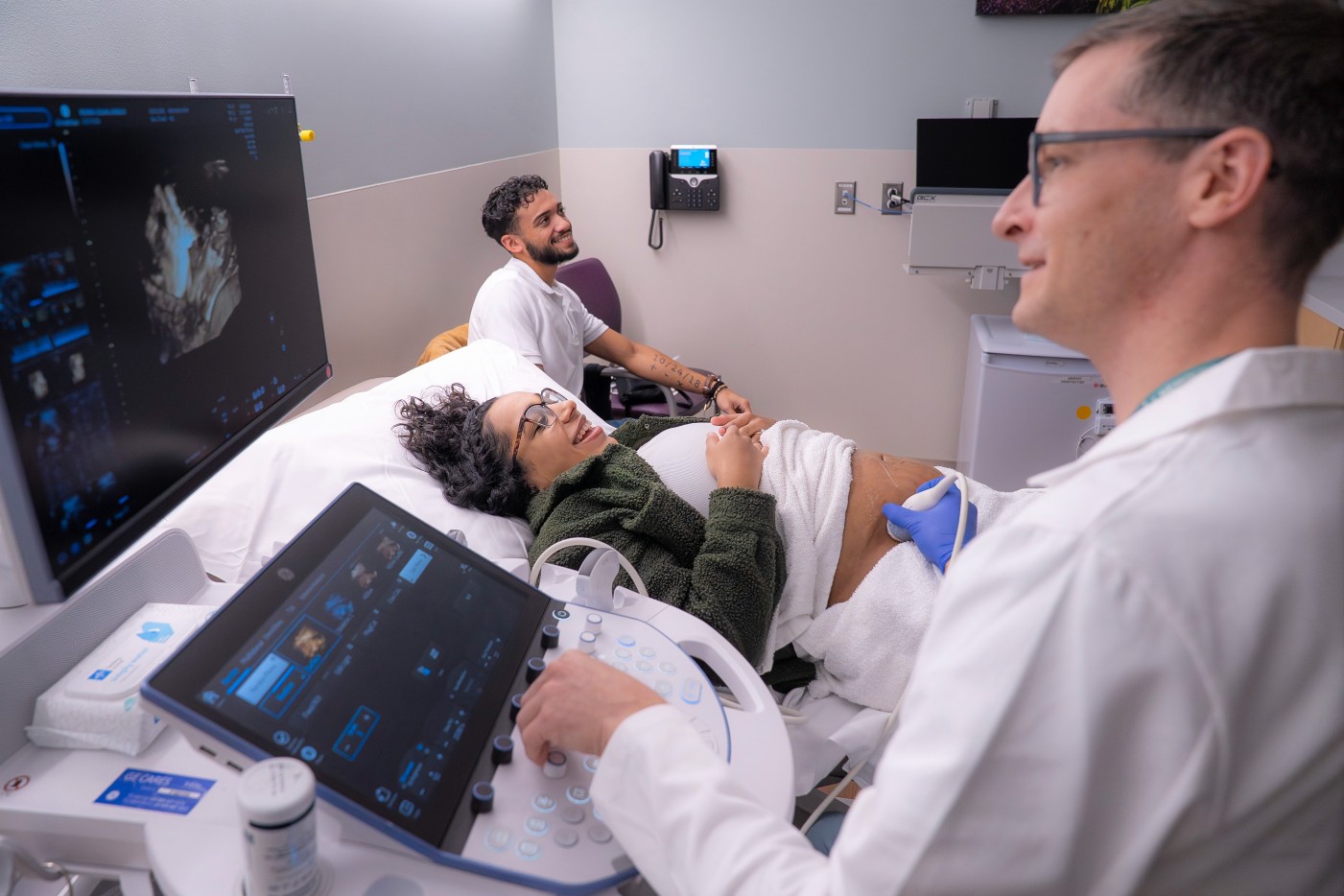
Diagnostic genetic testing is a type of genetic testing that provides more accurate information about the genetic status of an individual. This testing can provide a diagnosis of a condition and may provide a more definitive answer. Common examples of diagnostic genetic testing during pregnancy include amniocentesis and chorionic villus sampling (CVS).
What is a genetic counselor?
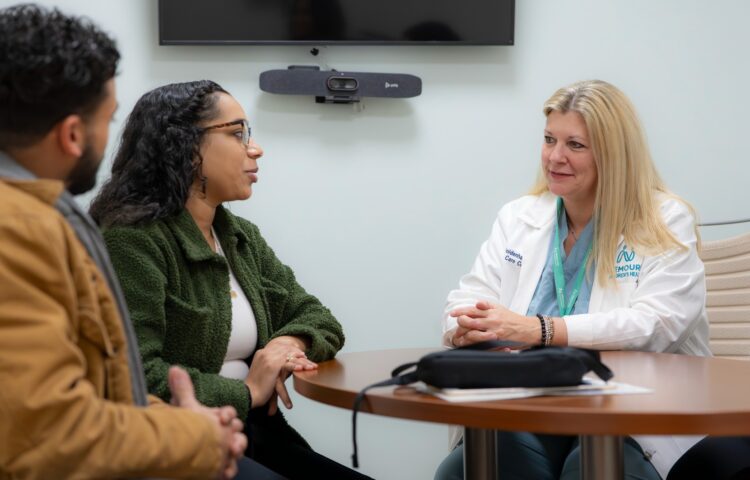
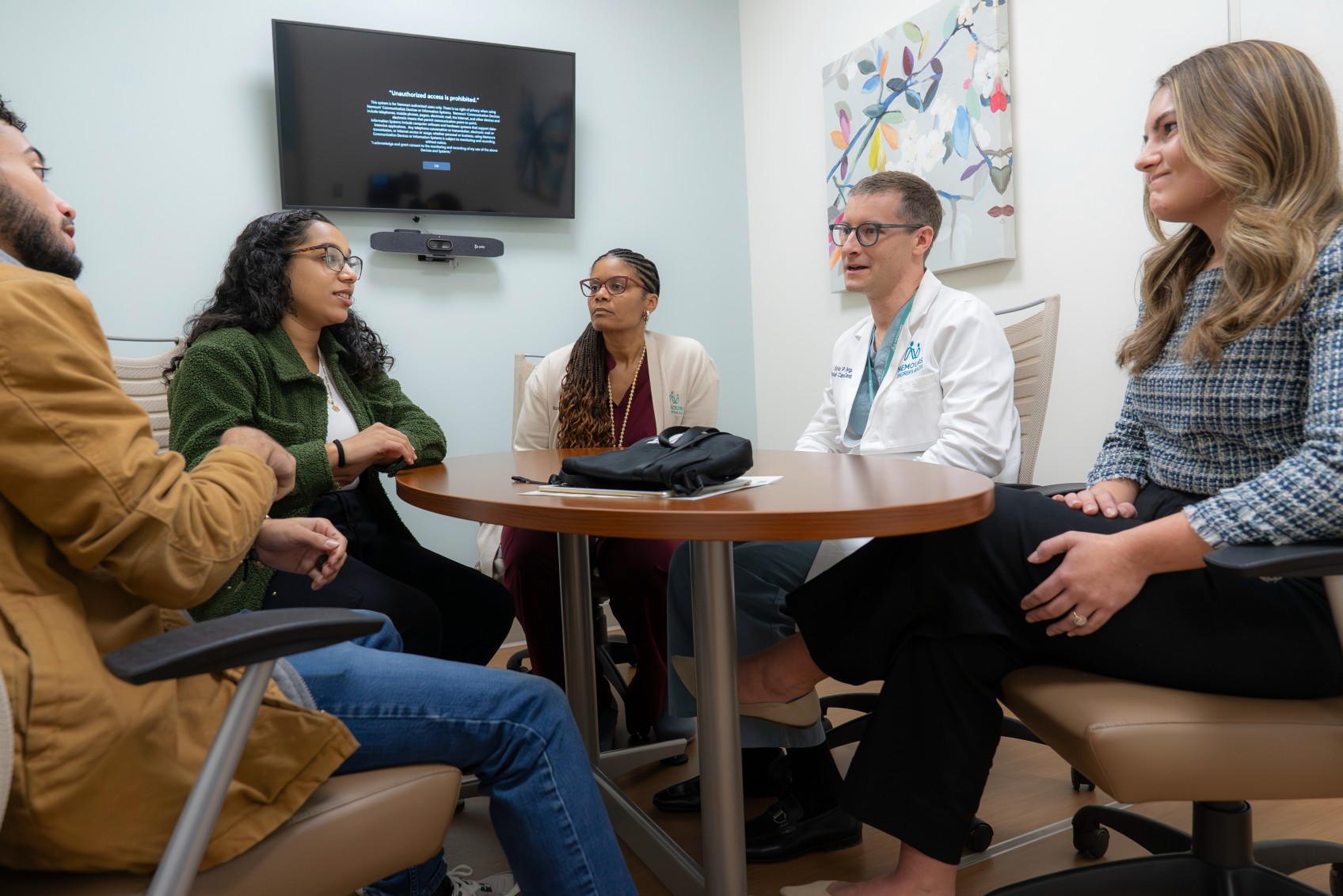
Genetic counselors are specially trained health care providers who have advanced education in medical genetics as well as psychosocial counseling skills. They can be found in all fields of medicine including prenatal, pediatric, oncology, cardiology, neurology, and more. Prenatal genetic counselors work closely with OB and Maternal-Fetal Medicine (MFM) doctors to help prospective parents and pregnant individuals understand genetic risks and make informed decisions about potential pregnancies or the health of a fetus.
How do I prepare for a prenatal genetic counseling appointment?
Patient preparation for appointments with genetic counselors is important. As much information as you can gather beforehand will help, including:
- Obtain information about family medical histories for the pregnant person and their partner. This means gathering information about relatives with known genetic conditions, intellectual disabilities, physical differences (cardiac anomalies, spina bifida, cleft lip, etc.), cancer, and other findings — including diagnoses when available (and as specific as possible).
- Make a list of questions you may want to have answered by the genetic counselor.
Even without this information, genetic counseling can still be a valuable part of your pregnancy experience. The goal of any genetic counseling appointment is to provide you with education and information about your options, resources, and care moving forward. Genetic counselors can help you determine whether genetic testing or screening is right for you, your pregnancy, and your family.
For example, genetic screening tests can be done on small samples of blood or saliva from you and your partner, but diagnostic prenatal genetic testing is performed on placental samples obtained via chorionic villus sampling, or amniotic fluid samples obtained via amniocentesis. These are invasive procedures that have associated risks. Genetic counselors can work with you and your doctor to figure out what genetic testing is available and what your next steps might be.
And remember, whether or not to pursue genetic testing is completely voluntary. Personal beliefs and values can also be important factors in this decision. Don’t hesitate to ask your genetic counselor and doctors questions, and make sure you have strong support as you make decisions for your family and your pregnancy .

What do you learn with prenatal genetic tests?
When it comes to prenatal genetic testing, what you think you know — or what sounds logical — might not be quite right based on where we are today. It’s a complex area to be sure, so let’s separate fact from fiction on a few key points:
Not All Genetic Tests Are the Same
- There are very different scopes of what each type of genetic testing and screening can look for. Some tests are specific to one condition whereas others may be broader and cover many complex health conditions.
Screening vs. Diagnostic Testing
- Not all genetic testing is diagnostic. Some genetic testing is screening and can only tell us about the risk of a condition.
Carrier vs. Fetal Screening
- Carrier screening tests the parents for what they might pass on, whereas prenatal screening tests the pregnancy for what the baby actually has.
Understanding “Positive” and “Negative” Screening Results
- A “positive screen,” “high risk” result does not mean that a pregnancy is affected with a condition. It means that we have increased the risk, but we cannot say for certain that there is a diagnosis.
- A “negative screen” or “low risk” result does not mean that a pregnancy is unaffected with some genetic condition. It means that we have lowered the risk, but we cannot rule it out completely.
The Nuances Behind Screening, Diagnosis, and Treatment
- Genetic screening, such as carrier screening or prenatal cell-free DNA screening, cannot rule out a condition.
- Diagnostic genetic testing is more accurate, but it doesn’t cover every single condition that exists.
- A diagnosis does not necessarily mean that a “cure” or treatment is available.
How Testing Supports (Not Controls) Pregnancy Choices
- Completing genetic counseling and genetic testing in pregnancy doesn’t mean a patient has to make specific decisions regarding continuation of pregnancy. This also extends to additional decisions about treatment/management or other procedures during and after pregnancy.
- Having a diagnosis during pregnancy helps your medical team plan ahead — from choosing the best and safest place to deliver to arranging specialized care for your baby after birth.

What are the limitations of prenatal genetic testing?
Prenatal genetic tests are powerful tools, but like all medical tests, they have limitations that families should understand before making any decisions. Understanding the scope and boundaries of prenatal genetic testing helps families avoid drawing conclusions the tests weren’t designed to provide, and it’s what experts like genetic counselors are trained to do in the most sensitive and objective way. Here are things to keep in mind:
Genetic Conditions Can Be Complex
- Many conditions do not have one single underlying genetic cause.
- It is possible to get uncertain or negative results from genetic testing/screening that may not provide actionable information.
- Genetic testing and screening are not comprehensive of all possible medical conditions.
Accuracy and Risk Vary by Test Type
- Diagnostic testing in pregnancy can provide more accurate results, however it comes with some risks associated with the procedure (amniocentesis, chorionic villus sampling).
- Positive results may look different in different cases; some individuals may have clinical findings, some may not.
Results Don’t Predict Every Outcome
- A diagnosis does not mean that we can tell you the exact life course of a condition for every individual. We can often provide some general outcomes information, but that may not be representative of every person’s experience.
Testing Can Reveal More Than Expected
- Genetic testing and screening can uncover more than just information about a specific pregnancy. It can provide information about your own health, or your partner’s, that you may not have been planning to learn.
What are the most important questions to ask when you receive genetic testing results?
Genetic counselors have a unique skill set. They’re specially trained to help patients and families navigate the growing range of genetic testing — and all the possibilities for information that prenatal genetic testing provides. Some important questions to ask of your genetic counselor might include:
- What do these results mean for my pregnancy?
- What do they mean for my future family?
- How do they provide information for my other family members with whom there is shared DNA (siblings, parents, etc.)?
- Will these results change the management of the pregnancy (in collaboration with OB/GYN or MFM)?
- Do these results explain what the clinical picture is for the pregnancy? If not, why?
Most important of all, however, genetic counselors are able to help patients understand that there are no right or wrong answers. Their guidance is always to help you make decisions that are within the scope of what the testing/screening was and what it can and cannot tell us.
How do I find a genetic counselor near me?
If you need to find a genetic counselor and your doctor doesn’t have one they work with, the National Society of Genetic Counselors keeps an international directory listing. Nemours Children’s offers fetal medicine care in multiple states with advanced genetic counseling programs. Our pediatric health system also has dedicated genetic counselors in specialty care divisions such as pediatrics, cardiology, and more. If your child needs treatment for a common or rare genetic condition after they’re born, contact our genetic specialists for a consultation. Learn more about high-risk pregnancy and related topics from the experts at Nemours KidsHealth®.
Genetic counselors Madalyn Charnego, MS, MPH, CGC, Cheryl Kubas, MS, CGC, and Lauren Lairson, MS, CGC also contributed to the content of this blog.