
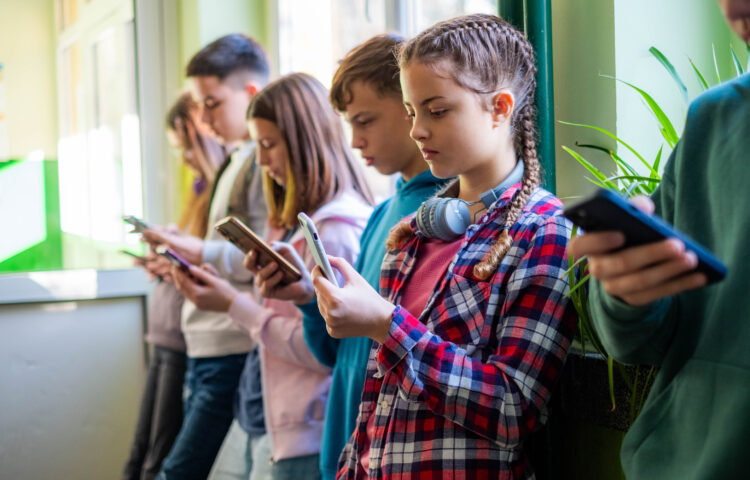
There is so much information constantly flowing into families’ lives about the state of the world, with daily news headlines that have the potential to create distress. Children hear about what’s going on in the world through social media, friends, or adult conversations. But news headlines aren’t always about news; they’re often about what will get the most attention, ranging from uplifting stories to scary events. It’s important that you leave the door open to have conversations with your child about trending news and social media — and other things they may hear about the news.
Starting a Discussion About a Current Event
It’s often best to start with finding out what your child already knows. You can ask your kids questions to see if they know about a current event. For school-age kids and teens, you can also ask what they have heard at school or on social media. Try not to interject even if their facts aren’t exactly right. That can often cause kids to shut down.
Don’t push kids if they don’t seem interested in an event or don’t want to talk about a certain topic. You can always try again later if it’s something important that you want to address.
Be Mindful of Children’s Ages
It’s important to consider your child’s age and development. Younger kids may not grasp the difference between fact and fantasy. Most kids realize the news is real by the time they are 7 or 8 years old.
Answering Kids’ Questions About News
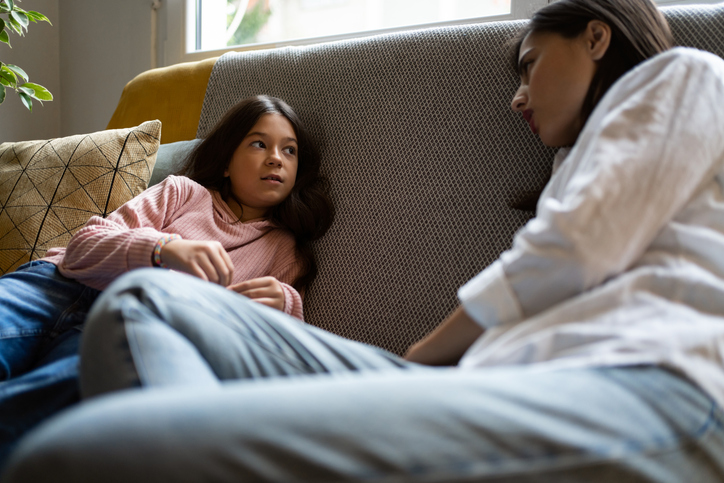
You should answer questions honestly and briefly. Tell the truth but share only as much as your child needs to know. The best way to calm any fears and help kids feel safe is to be honest. Don’t offer more details than your child is interested in, especially for school-age children.
When kids hear about an upsetting event like a school shooting, they may worry, “Could I be next? Could that happen to me?” Older kids may have lots of questions. Focus on what your kids ask so you can help them cope with their fears. An adult’s willingness to listen sends a powerful message. It is also OK to be incredibly brief, followed by, “This is an adult problem to handle, but please keep sharing your fears with me.”
What If You Don’t Know the Answer?
It’s also OK to say you don’t know. If your child asks a question that stumps you, say you’ll find out. Or use age-appropriate websites to spend time together looking for an answer.
Easing Stress and Helping Kids Feel in Control
Encourage Open Conversations
If your child is afraid about what’s going on, ask about it. Even when kids can’t control an event — like a school shooting or natural disaster — it can help them to share their fears with you. Sometimes with younger kids, it’s easier for them to draw. For all kids, it’s easier to talk if you are also doing something else (think arts and crafts or a car ride) because it lessens the discomfort.
Help Kids See the Bigger Picture
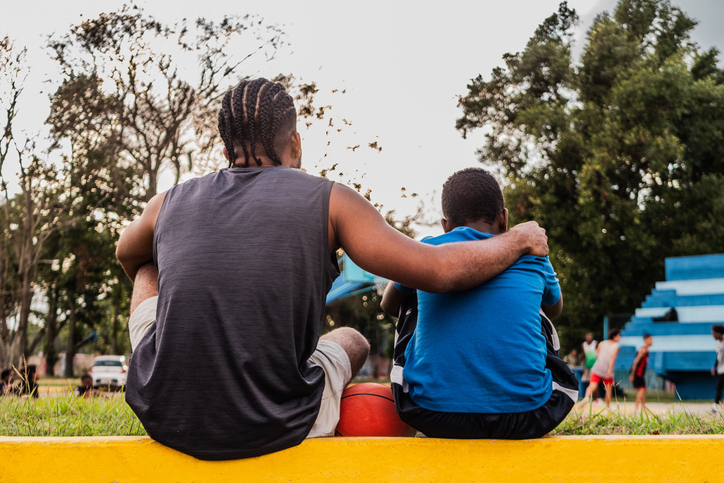
Urge teens to look beyond a news story. Ask why they think an outlet featured a frightening or disturbing story. Was it to boost ratings and clicks, or because the story was truly newsworthy? In this way, a scary story can be turned into a discussion about the role and mission of the news.
You can also put news stories in context by broadening the discussion from a specific event to a larger conversation about helping, cooperation, and the ways that people cope with hardship. After a tragic event, finding ways to help can give kids a sense of control.
Avoid Panic
Teach your children to be prepared, not panicked. For example, if the news is about a school shooting, talk about the ways schools are keeping kids safe. If it’s about a natural disaster, make a family plan for what you might do. If an illness is spreading, talk about ways to protect yourself and others.
Navigating Kids’ Exposure to the News and Social Media
Set Limits
Decide what and how much news is appropriate for your child. Think about how old your kids are, and also how mature. Encourage them to take breaks from following the news, especially when the topics are difficult. For older kids, let them know why with a quick statement like, “I need you to stay off social media today. Something really bothersome happened and the video is circulating. I think watching it would make you upset.”

It’s also important to be mindful about how often you discuss the news in front of your kids. Turn off the TV so the news is not playing in the background all day. It’s OK to tell your kids that you don’t want them to have constant exposure and to set ground rules on device and social media use.
Keep the Discussion Going
Talk about current events with your child often. Help kids think through stories they hear — good and bad. Ask questions like: “What do you think about these events?” or “How do you think these things happen?” With these types of questions, you can encourage conversation about non-news topics as well as deepen the conversation about things like social media and fake news and current events for kids.
What to Look Out For
Watch for stress. If your child shows changes in behavior (such as trouble sleeping or eating, not wanting to be around people, or worrying all the time), call your child’s doctor or a behavioral health care provider. They can help your child manage anxiety and feel more equipped to cope.
