Spending time outdoors is one of the best parts of warmer weather. But with those longer, sun-filled days also comes increased exposure to ticks. Approximately 31 million people in the United States are bitten by a tick every year, and while most tick bites are harmless, some can spread germs that cause illnesses like Lyme disease. Children are among the most vulnerable, especially during summer, when outdoor play is at its peak.
That risk feels particularly relevant right now. That’s because tick activity in 2026 got off to a busier start than usual, and that momentum has only grown heading into summer. In April, the Centers for Disease Control and Prevention (CDC) reported that emergency department visits related to tick bites were not only elevated — they represented the highest rate recorded at that point in the year since at least 2017.
The good news is that awareness, prevention, and treatment are all effective tools against tick bites and Lyme disease. Knowing what to look for — and when to seek care — can help parents and caregivers respond quickly and confidently if their child is bitten.
What types of ticks put children and families at risk for Lyme disease?
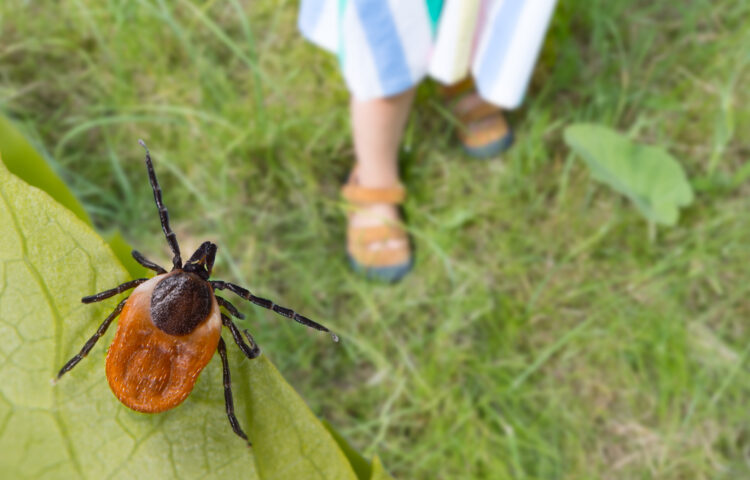
The two types of ticks that most people in the United States are familiar with are the deer tick and the dog tick. Not all tick bites cause Lyme disease — only deer ticks (sometimes called black-legged ticks) spread the bacteria responsible for it, and for that to happen, the tick must first be infected with the bacteria and then bite the person. However, even the tick bite itself isn’t the end of the story when it comes to preventing and treating Lyme disease. But it does start the treatment clock ticking.
What is Lyme disease?
Lyme disease is a bacterial infection spread through certain tick bites, but when identified early, it’s treatable with antibiotics, and most children recover fully. Early recognition and timely care are key and that means making tick prevention habits — like applying tick repellent — as routine as sunscreen, especially if you live in an affected area. Lyme disease is the most common tickborne disease in the United States, with an estimated 476,000 patients of all ages treated for Lyme each year according to the CDC.
Learn more about symptoms, diagnosis, and treatment in Nemours KidsHealth®: Lyme Disease.
Where are the highest risks for Lyme disease this tick season?
The traditional high-risk zones for Lyme disease in the United States — the Northeast, mid-Atlantic, and upper Midwest — remain high-risk and are now even more so because of this year’s elevated tick activity. As of June 2026, these 10 states have elevated risk levels:
- Connecticut
- Maine
- Maryland
- Massachusetts
- New Hampshire
- New Jersey
- New York
- Pennsylvania
- Rhode Island
- Vermont
But what demands attention is that the risk zones are expanding. The 2026 Annual Pet Parasite Forecasts that some of the greatest growth in Lyme disease risk is in Ohio, Kentucky, West Virginia, and parts of northern Tennessee and the Carolinas.

How can I help lower my child’s risk of tick bites?
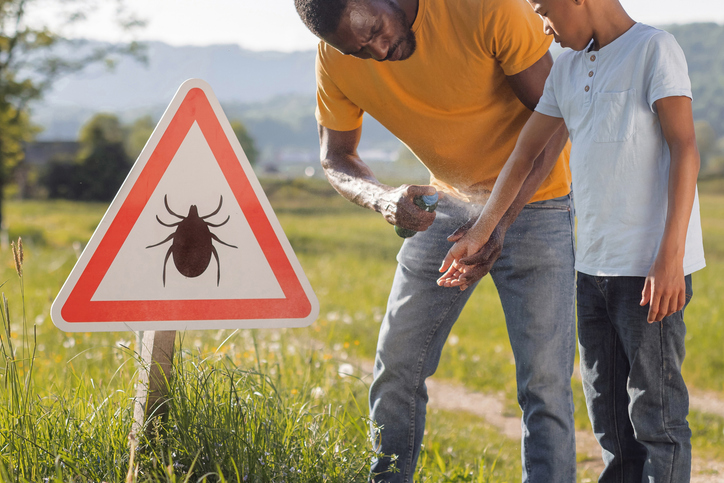
According to the most updated spring 2026 CDC guidance, the single best thing you can do to protect your family from tickborne illnesses like Lyme is simply this: prevent tick bites throughout tick season and beyond.
Ticks are commonly found in grassy or wooded areas, but children can also come into contact with them in everyday outdoor settings like parks, yards, and playgrounds.
To help reduce risk, focus on a few simple habits:
- Be aware of tick exposure during outdoor activities.
- Check your child for ticks after spending time outside.
- Bathe or shower after coming indoors.
These small steps can help you catch and address tick bites early.
What should I do if my child has a tick bite?
If you find a tick on your child, remove it as soon as possible and clean the area. Afterward, keep track of when the bite likely occurred and monitor your child. Most tick bites do not cause illness, but staying aware of any changes is important. If you have any concerns about the bite or removal, contact your child’s pediatrician.
For detailed step-by-step instructions on how to remove a tick, visit Nemours KidsHealth®: Tick Removal: A Step-by-Step Guide.
What symptoms should I watch for after a tick bite?
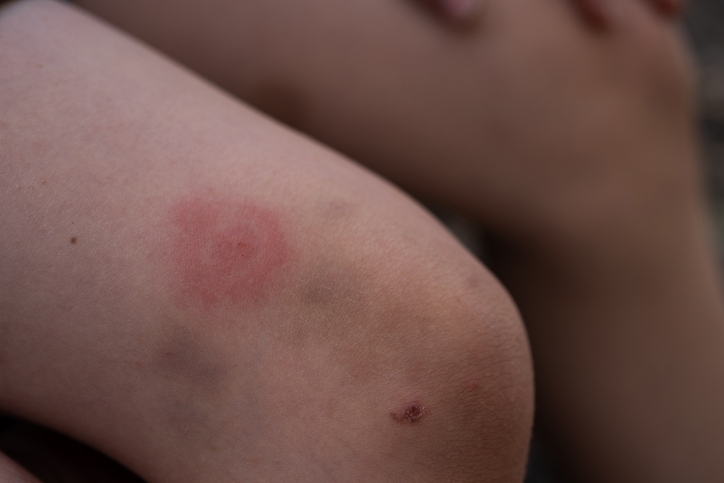
Most children will not have any problems after a tick bite. However, tick bite symptoms can develop days or even weeks later. Call your child’s doctor if you notice:
- A rash that spreads or looks unusual (especially a bullseye rash)
- Fever or flu-like symptoms
- Joint pain or unusual fatigue
- A bite that becomes increasingly red or irritated
These may be signs of a tickborne illness, including Lyme disease.
For a full overview of symptoms and related conditions, see Nemours KidsHealth®: Tick Bites in Children.
When should I call the pediatrician?
Contact your child’s pediatrician if:
- You’re unsure how long the tick was attached.
- Your child develops a rash or other symptoms.
- The bite area looks infected.
- You have any concerns about your child’s health.
If you need guidance, a Nemours primary care pediatrician can help evaluate your child’s tick bite symptoms, answer questions, and recommend next steps.
Find a Nemours pediatrician near you.
When should I visit urgent care?
If you’re unable to reach your pediatrician or your child needs care sooner than you can get an appointment, urgent care can be a good option.
Nemours Children’s Urgent Care provides same-day care for concerns that shouldn’t wait, including new symptoms after a tick bite or a bite that is getting worse. Visits are available during evenings, weekends, and holidays. Care is provided by pediatric providers, and information from the visit is shared with your child’s primary pediatrician so they can stay up to date.
Find a Nemours urgent care location near you.
Stay vigilant, but know there’s help (and hope)
The 2026 tick season is active, risk zones are widening, and we’re facing a tick season that calls for extra community vigilance. However, doctors and families have never been better equipped to respond. From highly effective standard antibiotics to a potential new vaccine, there’s a lot of hope when it comes to tick prevention and Lyme disease treatment.