Safety & Prevention | Nemours Blog | Expert Health and Wellness Guidance for Parents

ARTICLES RELATED TO:
Safety & Prevention

Super Lice, Really?, Powered by Nemours Children's Health System

Super Lice: Really?

Every few months, some kind of infection sweeps through classrooms, camps and daycare centers — chickenpox, colds, pink eye and ear infections — each taking their turn infecting children. One occurrence, though, seems to send parents into a tailspin when there’s a slightest whisper of the dreaded word — lice. And now, with the appearance of what many are calling super lice — or lice that are resistant to most over-the-counter treatments — parents are more concerned than ever about the little creatures that nest in children’s hair. First and foremost, super lice are still treatable, but instead of the affordable over-the-counter remedies, super lice can be treated with an expensive prescription medication that only some insurance companies will cover. Prevention is the best solution for your child — and your bank account. With all of the tips, tricks and rumors about lice you may have heard, it’s difficult to tell […]

Spring Safety: 5 Quick Tips

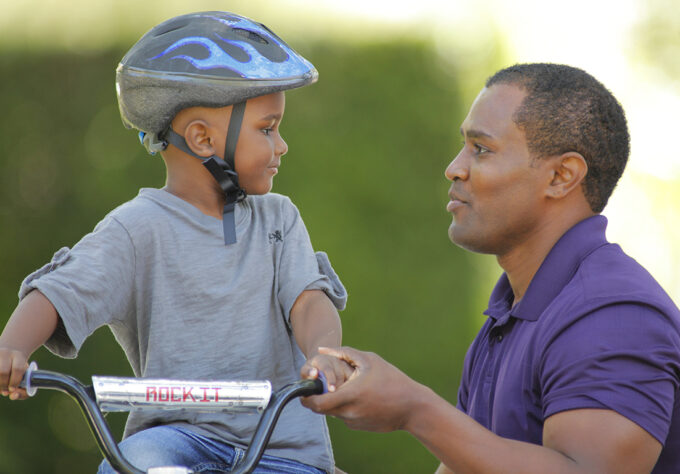
Despite its mild beginning, winter definitely packed a punch this year. It’s also kept many families cooped up indoors. If your family is anything like mine, you’re ready to throw open those windows and let spring in. While warm weather is right around the corner, and should have us all running for the nearest park, playground or even the backyard, let’s take a moment to be sure any and all outside activities are done safely and with as little risk for injury as possible. Here are five quick tips to remember. 1. Make sure everyone wears a helmet. A family bike ride, skateboarding, inline skating, scooters and horseback riding are all great ways to get exercise and enjoy the outdoors. But all require a well-fitting helmet. Wearing a bicycle helmet is the best way to prevent a brain injury. A helmet fits well if it sits level on the head […]

9 Tips to Help Prevent Poisoning in Kids from the Experts at Nemours Children's Health System

9 Tips to Help Prevent Poisoning

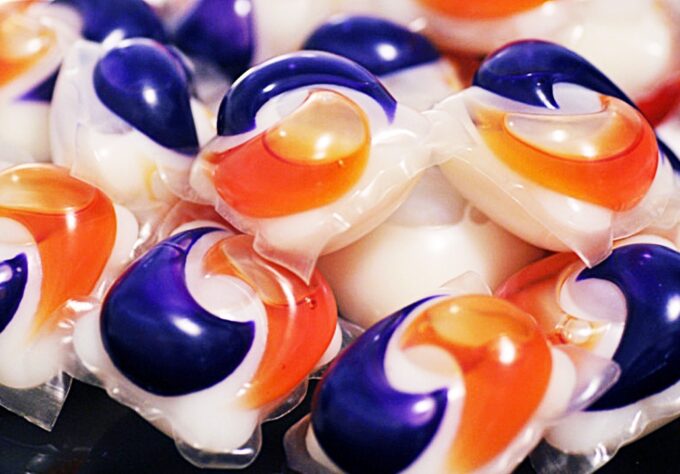
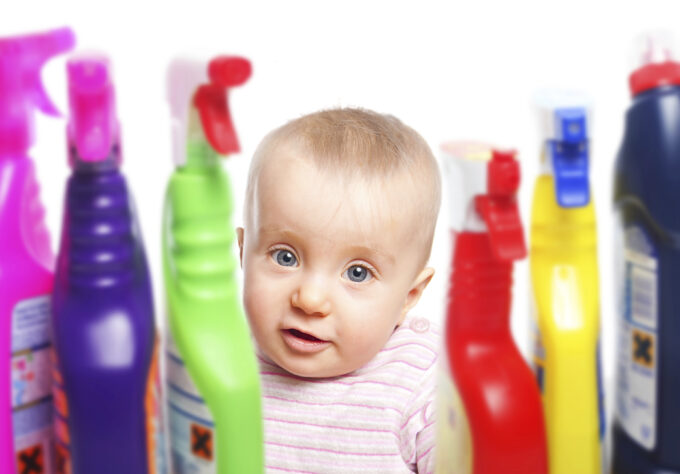
Every year, about 3 million people – many, young children under age 5 – come into contact with poisonous substances. And most poisonings actually happen when parents or caregivers are home, says the American Academy of Pediatrics (AAP). If you’re like most parents, you’ve probably taken safety precautions in your home. All of those baby gates, locks and childproof caps can help protect your child from harmful substances – that is, when everything is going according to plan. But when little ones sneak out of sight or there’s an inevitable change in your routine – like family visits, babysitters, running late, parties, holiday get-togethers, etc. – those safety measures may not work as well as they would on an ordinary day. And when you visit other people’s houses (like grandma and grandpa’s), there’s no telling what kids will get into. The Most Common Poisoning Culprits medicines cleaning products liquid nicotine […]

Q&A: Zika Virus from the experts at Nemours Children's Health System

Zika Virus Q&A: What Parents Need to Know

It’s coming up on spring break time, when families, teens and young adults start planning travel to warmer climates. But with all of the buzz about Zika, you may have some questions. Here is what we know, for sure, right now. Q: What, exactly, is the Zika virus? A: Zika virus is a type of flavivirus, which is a family of viruses transmitted by ticks and mosquitoes. Although it’s been in the news lately, Zika was discovered in 1947 and is named after a forest in Uganda. Q: What are the symptoms and treatment? A: Most people (4 out of 5) don’t know they’ve been infected with Zika virus because they don’t have any symptoms. The 20 percent of people who do experience symptoms usually have a mild illness for about a week to 10 days, with fever, rash, joint pain and pinkeye (without the pus). Other common symptoms include muscle […]

Page 5 of 5

Page 5 of 5

Page 5 of 5