Staying active during pregnancy? That’s a goal many expecting moms embrace. But what about after your baby arrives? Between the physical changes your body is experiencing and the around-the-clock demands of a newborn, finding the time and energy to hit the gym can feel impossible. Yet this is exactly when movement matters.
Moving your body — even for just a 10-minute exercise at home — can speed healing, improve your mood, increase energy, and reduce stress. That’s why we’ve designed a quick, full-body workout that requires no equipment, can be done entirely at home, and is gentle enough that baby can snooze right through it.
When to Start: At Home Workouts for Moms
According to the American College of Obstetricians & Gynecologists (ACOG), if you had a healthy pregnancy and a typical vaginal delivery, you should be able to start exercising again even just a few days after your baby is born. If you have a cesarean birth or complications, ask your OB/GYN when it’s safe to start.
Remember to try simple postpartum exercises that help strengthen major muscle groups, including abdominal and back muscles, and stop if you have any pain. And if you’re breastfeeding, feed your baby or express your milk before you work out to avoid discomfort.
Take it Slow and Phone a Friend
Between feedings, diaper changes, and trying to sleep when the baby sleeps, catching up with friends feels like a luxury. However, walking is one of the best things you can do for postpartum recovery. So, text a friend and make them your official walking buddy. You’ll get your workout in while actually having an adult conversation. If you have a partner or older kids at home, it’s even better. The exercises outlined below are a beginner workout plan where the whole family can join in!
If you prefer to exercise on your own or if you enjoy a more structured workout routine, check out fitness videos and online exercise programs designed for women who have just had a baby; they’re made by people who understand what your body is going through. If you prefer a less structured Mom workout, here are some easy wins:
- Stroller walks around the block
- Playing at the park with your toddler (it counts as cardio!)
- Walking laps at an indoor mall or play place on rainy days
- Whatever gets your body moving without adding stress
Remember that the goal isn’t perfection — it’s just movement.
Bodyweight Training Workout Routine
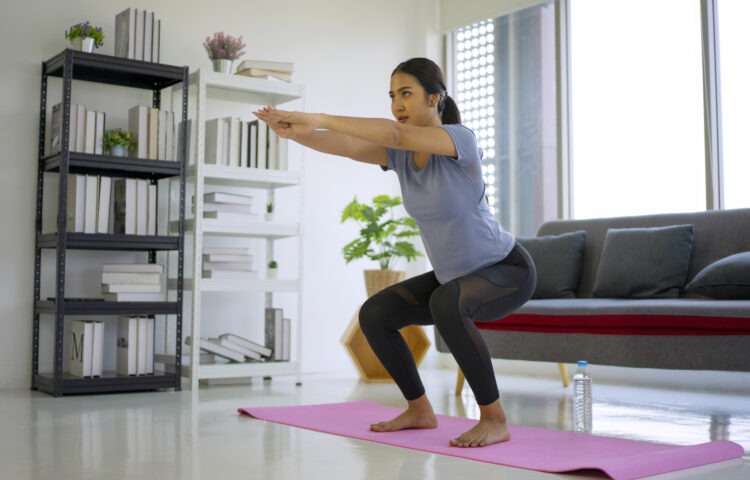
Before exercising, warm up with 2 minutes of walking, marching, or jogging in place.
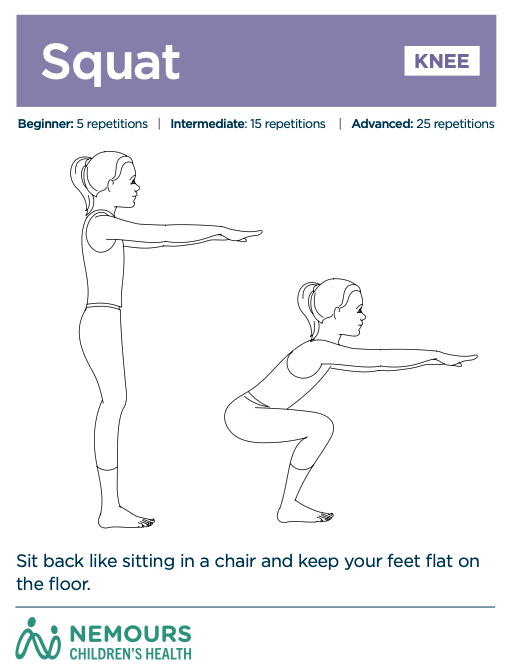
You can start by trying some of the exercises below or complete them all for a full workout. Be sure to rest for 30 seconds to 1 minute between exercises, depending on your baseline fitness level. You may repeat the exercises up to 3 times.
Finish with a cool down of 2 minutes of walking or marching in place.
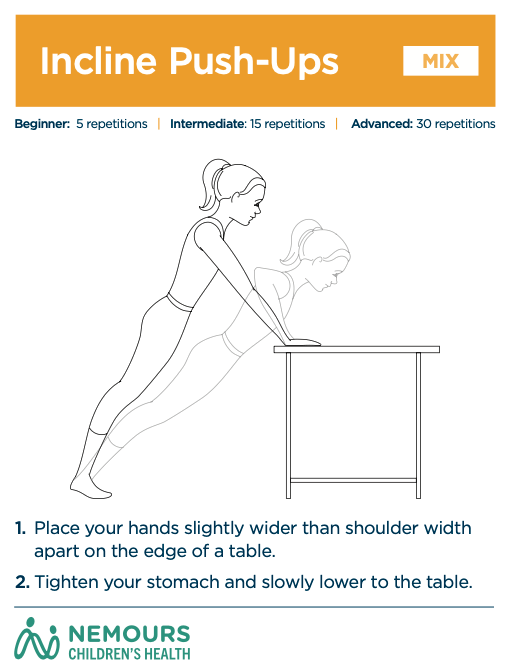
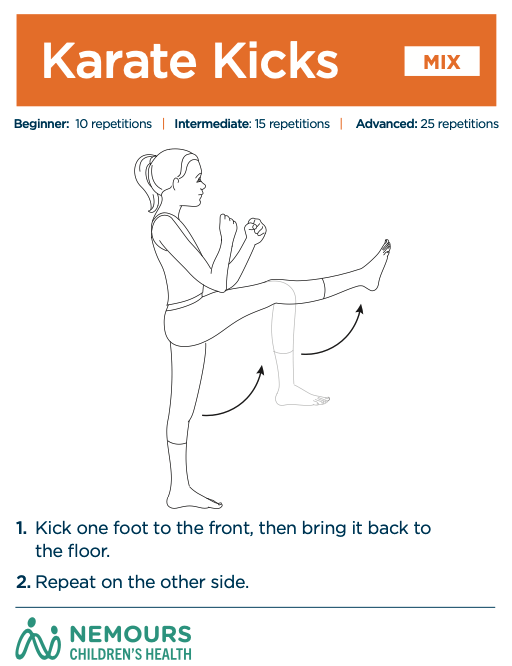
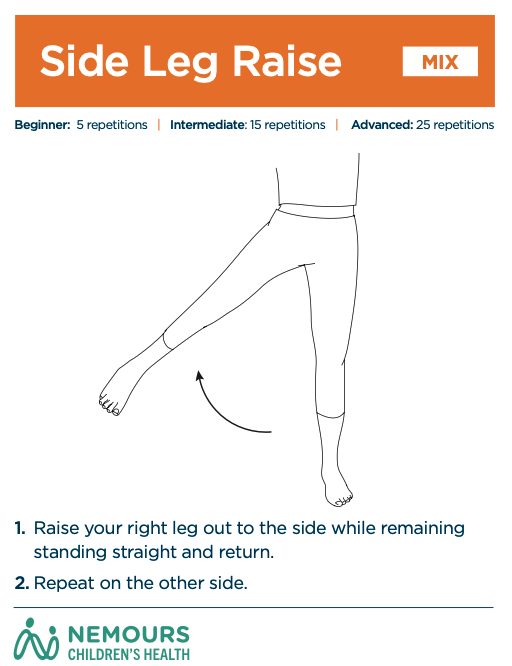
From Strength to Stretching
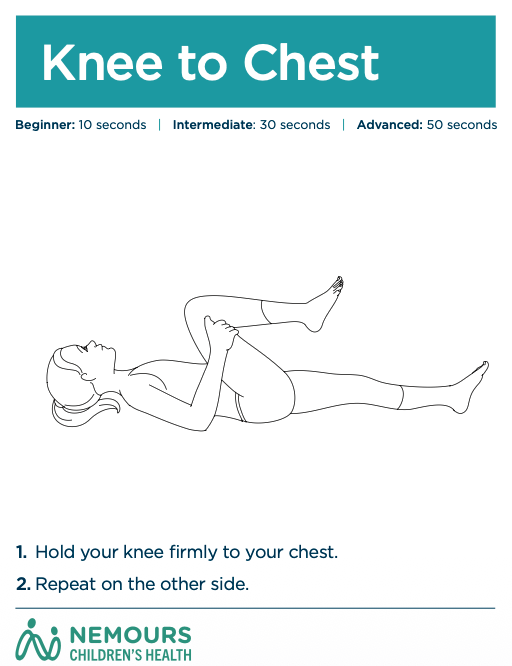
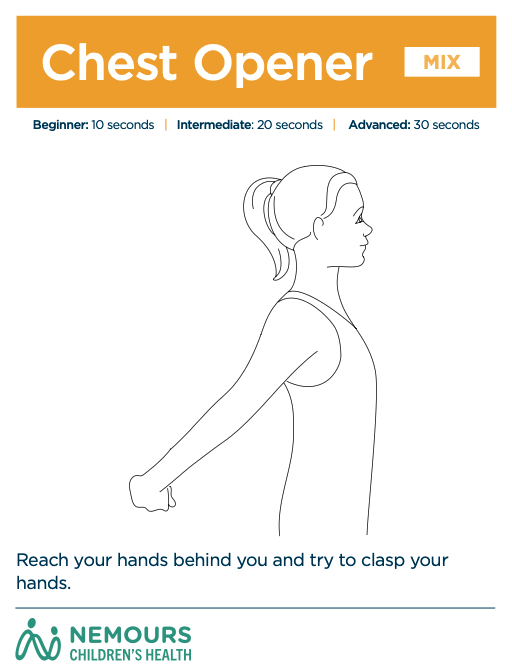
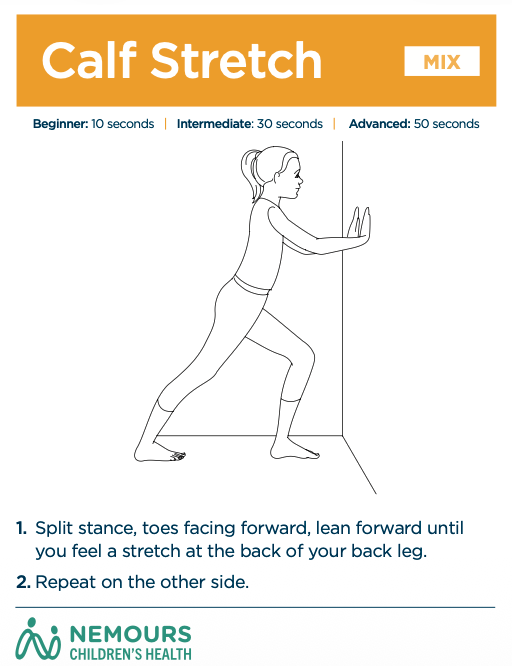
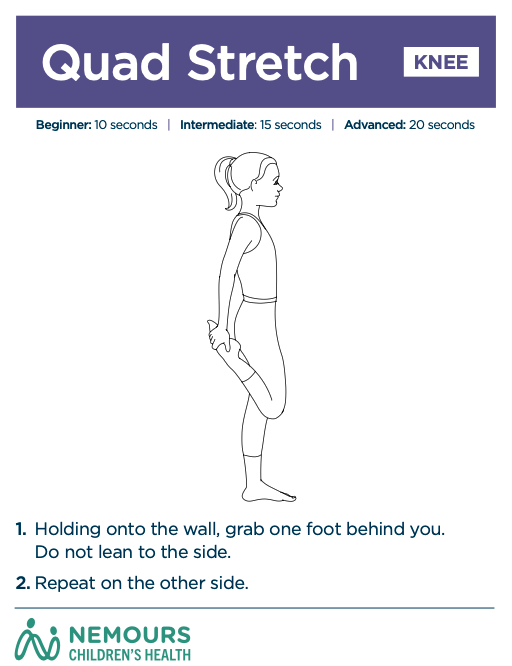
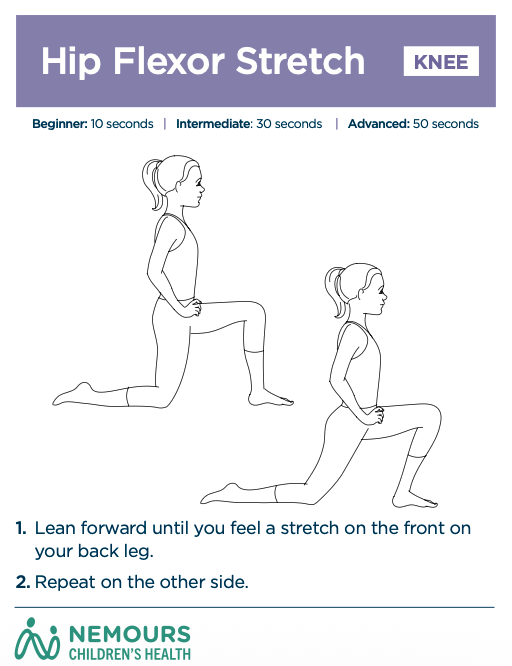
While exercise rebuilds strength, stretching restores mobility and relieves the tension that comes with constant feeding, rocking, and carrying your baby. Think of stretching as the other half of your recovery: exercise strengthens, stretching lengthens and heals.
Here are some great stretches to add to your workout.
When to Wait: Hard Core Workouts At Home
Wait for medical clearance. Most doctors recommend waiting until after your 6-week postpartum checkup before resuming certain abdominal and core exercises, and up to 12 weeks to resume high-intensity exercises like planks. This allows time for your body to heal, especially if you have a C-section or complications.
Even after clearance, jumping straight into challenging abdominal workouts may not be ideal. This can be due to conditions like diastasis recti, which is a condition many women develop that involves abdominal separation during pregnancy. A healthcare provider or physical therapist can assess this. Planks may worsen the condition if done too soon.
The key takeaway is that while gentle core work can start soon after birth with medical clearance, more advanced exercises like full planks typically require many more weeks of recovery and should be approached through a progressive system — and only when you can perform them without abdominal coning or bulging.
Learn More To Move More
Get more tips for getting active postpartum from the U.S. Department of Health and Human Services. Start with this “Move Your Way” fact sheet and from there you can explore videos, use their activity planner tool, and more. You can also read Frequently Asked Questions about exercise after pregnancy from the experts at ACOG. And always check in with your OB/GYN about adding new exercises to your workout routine and report any symptoms or discomfort immediately.