Every year, 13 million Americans — including teenagers — contract HPV. According to the Centers for Disease Control and Prevention (CDC), nearly every sexually active person will get an HPV infection at some point in their life. Most infections clear up, but some persist and develop into cancer. The HPV vaccine can prevent this, yet many parents remain uncertain about whether or not to vaccinate their children. For some, it’s fear of side effects. For others, it’s concerns about why it needs to be given so young, and even the implication of saying yes. If you’re a parent trying to make the best decision for your child, here are answers to the most common questions and concerns about the HPV vaccine.
What is HPV?
HPV (human papillomavirus) is a group of viruses transmitted through skin-to-skin contact, such as vaginal, anal, or oral sex. Some strains of HPV cause warts, and others can cause cancer of the tonsils, throat, anus, cervix, and genitals in both men and women.
What is the HPV vaccine?
The Gardasil vaccine has been in use in the United States since 2006. There have been two versions of the Gardasil vaccine: The original protected against four HPV types, and Gardasil® 9 (approved in 2014) protects against nine types. National organizations including the American Academy of Pediatrics (AAP), CDC, American Academy of Family Physicians (AAFP), and the National Cancer Institute (NCI) recommend HPV vaccinations for both boys and girls 11 and 12 years old, and older teens who haven’t yet been vaccinated.
How does the HPV vaccine protect my child?
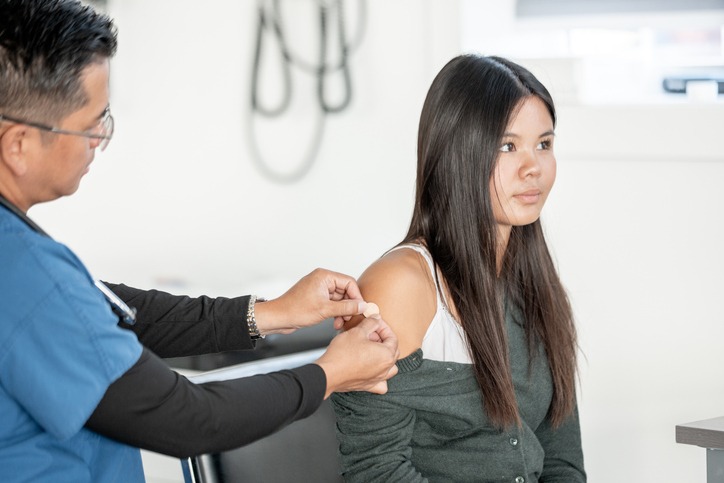
The HPV vaccine is a two- or three-shot series given over a specific schedule of months based on a child or teen’s age. The current HPV vaccine is Gardasil® 9, which protects against nine types of human papillomavirus infection. This protection helps prevent multiple types of cancer in both men and women:
- Cervical cancer
- Vaginal cancer
- Vulvar cancer
- ·Anal cancer
- Penile cancer
- Throat/head and neck cancers
- Genital warts
Most people never develop HPV symptoms or health problems, but the CDC contends that vaccines are considered a safe and effective way to prevent 90% of the cancers HPV can cause. A few quick trips to the doctor now could save your child from HPV as well as a number of other potential diseases down the road.
How do you get HPV?
According to the CDC, HPV is the most common sexually transmitted infection. It’s usually spread during vaginal or anal sex, but it also spreads through close skin-to-skin touching during sex. A person with HPV can pass on the infection to someone even when they have no signs or HPV symptoms.
There is no approved HPV test that can show someone’s infection status, including one to find HPV in the mouth or throat. There are HPV tests that can screen for cervical cancer, but these HPV tests are not recommended to screen men, adolescents, or women under 30 years old.

My child isn’t sexually active, so why do they need the HPV vaccine?
This is often parents’ most common concern about the HPV vaccine. But protecting young adults from the disease doesn’t condone sexual activity. The vaccine is most effective before a person becomes sexually active. Given that most people will likely be sexually active at some point in their lives, the HPV vaccination is simply an early preventive measure.
What are the risks of an HPV vaccine?
Most vaccines have possible side effects that are very rare and mostly very mild. Side effects for the HPV vaccine include minor pain or swelling at the injection site, fever, dizziness, nausea, and fainting. And serious side effects (such as anaphylactic allergic reactions) from the vaccine are extremely rare. Those who are allergic to yeast, those who are seriously ill, and pregnant women should not receive the HPV vaccine.
The HPV vaccine doesn’t contain any live virus, so it cannot cause an HPV infection. And with more than 135 million doses of the HPV vaccine distributed in the United States since 2006, it’s built a safety record backed by years of monitoring and research.
How many shots of the HPV vaccine does my child need?
If your child is 9–14 years old, your child’s doctor will determine whether they need a two- or three-dose schedule. If your child is 15 or older, they will need a three-dose schedule.
- Ages 15+: Always 3 doses
- Ages 9-14: 2 doses IF they’re spaced 5+ months apart; otherwise, 3 doses needed
Even though younger children need just two shots to complete the series, the shots must be given six months apart. Receiving both shots is recommended for the vaccine to work the best. But if the timing is off, a third dose may be required. Here’s an example offered by the manufacturer, “If the second dose is administered earlier than 5 months after the first dose, administer a third dose at least 4 months after the second dose.” In other words, make sure younger children have their HPV vaccine based on the vaccine schedule, so they don’t need a “bonus” shot.
Talk With Your Child’s Pediatrician About the HPV Vaccine
If you have a child 11 years old or older who hasn’t received the HPV series yet, call your child’s primary care pediatrician to ask any additional questions and set up an appointment. To ensure you stay on schedule, make your child’s second (or third, if needed) vaccine appointment before you leave the first vaccine visit. If you have other medical concerns — whether it’s about mature conversations raised by getting the HPV vaccine or other teen-related health issues — there are doctors available who specialize in adolescent medicine. Teens can also read sensitive, accurate STI content crafted just for them from the experts at Nemours KidsHealth®.