At just 18 months old, Carli was diagnosed with cerebral palsy, beginning a journey filled with uncertainty. Despite normal MRIs and no birth trauma, her mobility challenges grew more severe over time. By age 9, walking had become exhausting.
After years of searching for answers, Carli’s family found hope at Nemours Children’s Hospital in Delaware, where Dr. Wade Shrader confirmed that surgery could improve her mobility and quality of life. In January 2025, Carli underwent a major procedure followed by months of rehabilitation.
Recovery was tough, but Carli wasn’t alone.
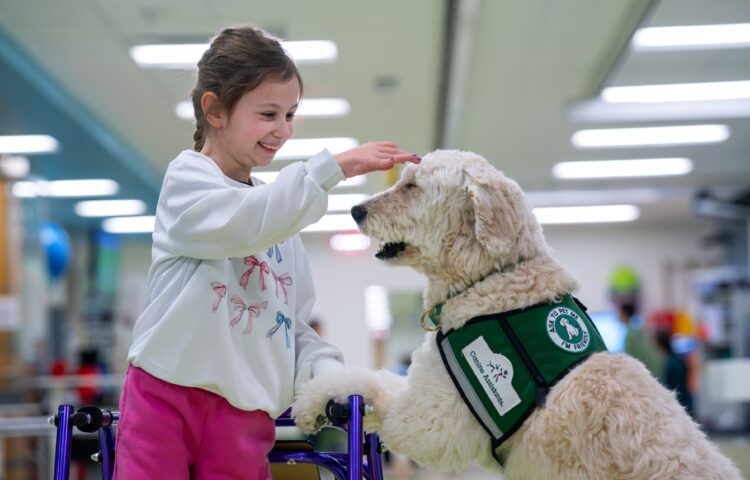
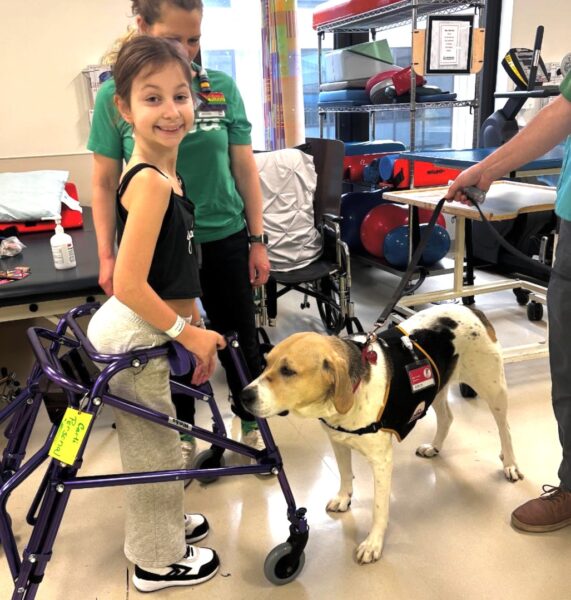
Enter Luna, Monk, Pumpkin, and Ali — therapy and facility dogs who became Carli’s companions, comforters, and cheerleaders during her recovery. Whether lying beside her during painful moments or walking with her after surgery, these furry friends brought smiles, strength, and healing.
Animal-assisted therapy (AAT) is just one example of the holistic care Carli received. Music and art therapy, games with nurses, and special events in the hospital atrium helped her stay engaged and uplifted. The therapists even incorporated her favorite activities, like Uno, into her physical therapy sessions.
Today, Carli is walking stronger and heading into fifth grade with confidence. Her story is a testament to the power of compassion and creativity, and the supportive therapies that helped her heal.
The Healing Power of Animal-Assisted Therapy
Carli’s experience is just one example of how animal-assisted, art, and music therapy can support healing for children at Nemours. For many children, a hospital stay can feel scary and overwhelming. AAT can help soften that experience by incorporating trained therapy dogs into the healing and recovery journey. Quality interaction time with therapy dogs offers children comfort, companionship, and a calming presence.
AAT has been shown to:
- Lower blood pressure
- Release oxytocin, a hormone associated with calm and bonding
- Ease physical pain and discomfort
- Lessen feelings of loneliness and isolation
- Reduce stress and anxiety
- Provide emotional comfort and a sense of safety
In outpatient settings, AAT can help children build positive associations with doctor visits. For children staying in the hospital, especially those recovering from surgery or undergoing rehabilitation, AAT makes movement and therapy feel more like play than work.
We offer AAT through both certified therapy dogs and clinically trained facility dogs.
Therapy Dogs
Our therapy dog program brings trained volunteers and their furry companions into the hospital to provide a sense of home for children and families. Volunteers visit regularly with their dogs, offering cuddles and moments of connection.
To keep everyone safe, therapy dogs are certified through a nationally accredited organization and follow strict health and grooming standards.
Facility Dogs
Unlike volunteer therapy dogs, facility dogs are full-time members of the care team. They’re bred, raised, and trained for more than a year and a half before being matched with a hospital and handler. Our facility dogs work alongside medical staff to provide:
- Comfort during medical procedures
- Encouragement during physical therapy
- A calming presence during pain or anxiety
- Opportunities to play during long hospital stays
- Emotional support for children, families, and staff
For children like Carli, AAT offers something to look forward to and a reminder that healing can bring joy.
Creative Arts Therapy: Music and Art Therapy for Children
AAT is just one example of the holistic healing methods offered at Nemours. Creative arts therapy, including music and art therapy, also play an important role in helping children cope, express themselves, and heal.
What is Music Therapy?
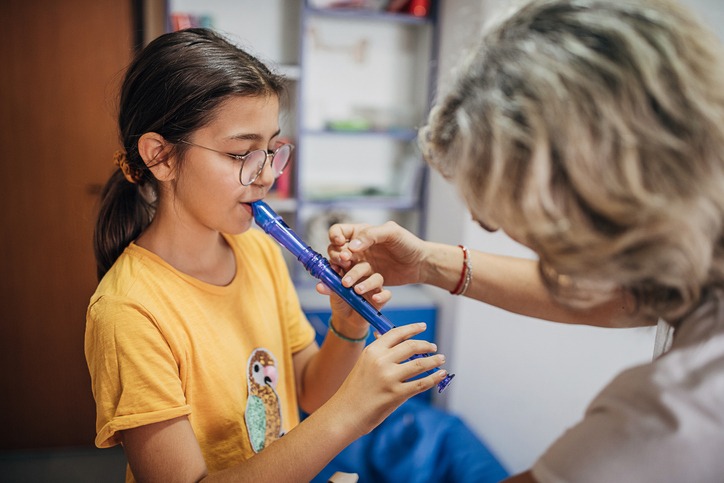
Music therapy uses structured music activities to support physical, emotional, behavioral, and social well-being. Children can sing, play instruments, write songs, move to music, or simply listen; no musical experience required.
Therapists use music therapy to meet children where they are and help them:
- Express emotions
- Connect with others
- Manage stress and anxiety
- Build confidence and social skills
Research shows that music therapy can also influence biological responses like heart rate, blood pressure, breathing, and muscle tone to help the body relax and heal.
What is Art Therapy?
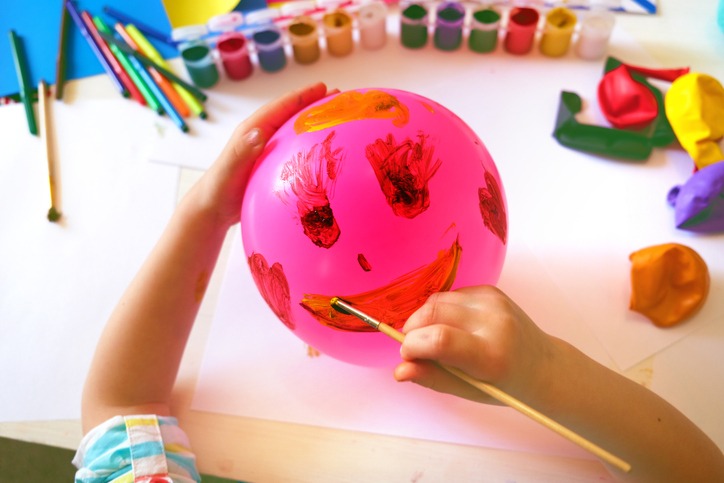
Art therapy helps children explore feelings and experiences through drawing, painting, collaging, guided imagery, and more. For families, art therapy can be a powerful tool to process the emotional challenges of a hospital stay together.
Like music therapy, art therapy is all about the process of creating — not artistic skill. Through art, children can:
- Relieve stress and pain
- Reflect on their journey
- Communicate feelings that may be hard to put into words
- Create a visual record of growth and resilience
Healing Goes Beyond Medicine
Art and music therapy are evidence-based therapies that give children a safe space to share their feelings, manage stress, and connect with others during challenging times. Each session is tailored to a child’s goals, interests, and abilities and is meant to help:
- Enhance communication: Creative expression offers children a safe, nonverbal way to share emotions and concerns.
- Uplift mood and hope: Creating art or music can boost positivity for both children and families.
- Offer a sense of control: When creating, children have the freedom to choose their own materials or instruments — providing them with a sense of autonomy during hospitalization.
- Increase engagement: Creative activities can motivate kids to participate physically and emotionally in their care.
- Promote relaxation: Art and music provide outlets for children to process big feelings that may be hard for them to express verbally.
Carli’s story is a powerful reminder that healing is about more than medical care. It’s about connection, creativity, and compassion.
The animal-assisted, art, and music therapy offered at Nemours bring all of that and more to help support kids in mind, body, and spirit. Because wagging tails, songs, or paintbrushes can be powerful prescriptions.
Learn more about our family support services here.