
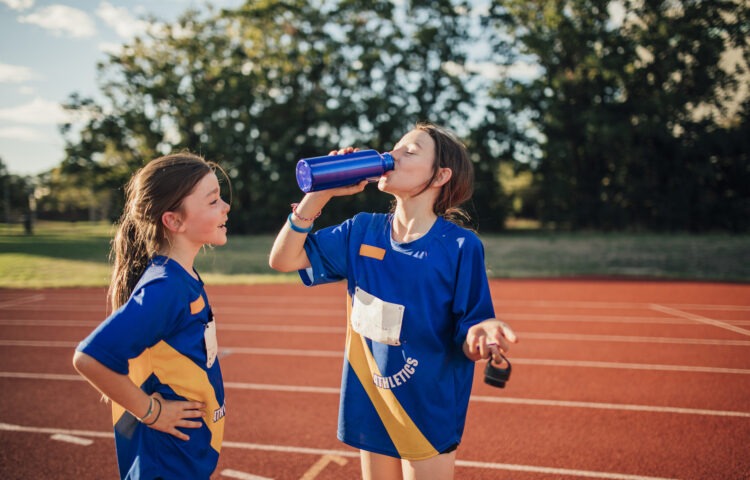
Supporting a growing athlete starts with understanding one key principle: performance nutrition isn’t about exotic supplements or complicated meal plans. The good news for parents of young athletes is that fueling your competitor is simply about eating the right balance of quality foods for the right activity — from training to post workout recovery to the big game.
While athletes do need strategic nutrition to support their performance, the foundation is the same balanced, wholesome eating that benefits everyone in your family. Sports nutrition is really just smart, consistent healthy eating — with a few key timing adjustments.
Building Blocks of Sports Nutrition
Carbohydrates: The Primary Energy Source for Young Athletes
Carbohydrates are found in foods like pasta, rice, bread, cereal, fruits, vegetables, and dairy. They are the body’s preferred source of energy during a workout. During digestion, carbohydrates are broken down into sugar and used immediately for energy, while some of this sugar is stored in the muscles or liver for later use. Carbohydrates should provide about half of your child’s caloric intake.
Protein for Growth, Repair, and Muscle Recovery
Protein is found in animal products such as poultry, eggs, beef, pork, fish, and low-fat dairy, but can also be found in plant-based foods like nuts, seeds, beans, and soy. Try to select lean/low-fat sources of protein for good heart health. The Academy of Nutrition and Dietetics offers an “exercise nutrition” section with specific protein guidelines for young athletes. They generally recommend 0.45-0.6 grams of protein per pound of body weight for young athletes (vs. 0.4 g/lb for non-athletes) along with recommended protein sources. And while protein is vital for the growth and repair of hard working muscles, research shows there is no added benefit to consuming excess amounts of protein.
Electrolytes and Fluid Balance
Electrolytes are minerals such as sodium, potassium, phosphorous, magnesium, calcium, and chloride. These minerals help with fluid balance in the body, as well as muscle function. Electrolytes can be found in our food, as well as fortified beverages.
Hydration Guidelines for Young Athletes
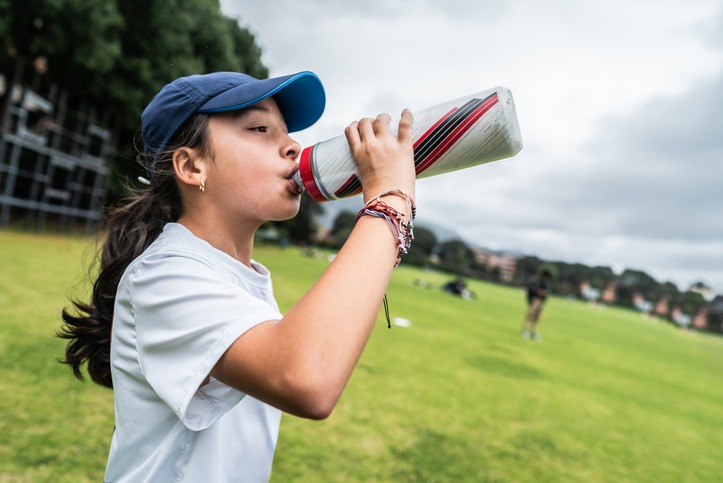
For most kids, drinking water before, during, and after playing sports will keep them hydrated. Some athletes who exercise for long periods or in very hot weather can benefit from a sports drink that has sugar and electrolytes. You may also try adding fresh or frozen fruit, like sliced lemon or berries, to your child’s water to create a fun infused, flavored beverage without the added sugar of a sports drink. It’s best for kids to skip the energy drinks.
Young athletes need to stay as hydrated as possible for both performance and to avoid complications from dehydration, including heat-related illness. Be sure to know the signs and symptoms of dehydration. When trying to figure out how much water should you drink a day, including for post workout recovery, here are some general hydration guidelines:
- 2-4 hours pre-exercise: drink 8-16 ounces of fluid
- Warm up: 8 ounces
- During exercise: 8-16 ounces (or about ½ a cup every 15 minutes)
- Post-exercise: continue drinking ½ cup of fluid every 15 minutes
Nutrition Timing for Young Athletes: Before, During, and After Activity
The challenge with young athletes is meeting their nutritional needs for growth, while fueling them with the right types and amounts of food for lasting energy and muscle recovery at key times (before and during practice, on game days, etc.). The goal is to eat in preparation for exercise, rather than from a depletion in nutrients after exercise. Things to remember when refueling:
- Focus on real food to fuel your child’s active body.
- Remember to eat regular meals throughout the day for both preparation and recovery. NEVER skip meals.
- Timing of meals is important. Keep in mind that it takes about 3-4 hours to fully digest a regular meal.
- Try to incorporate a variety of foods for a well-balanced diet. Aim to include at least three different food groups with every meal.
- Drink plenty of water throughout the entire day to stay well hydrated.
What to Eat Before Exercise of Practice
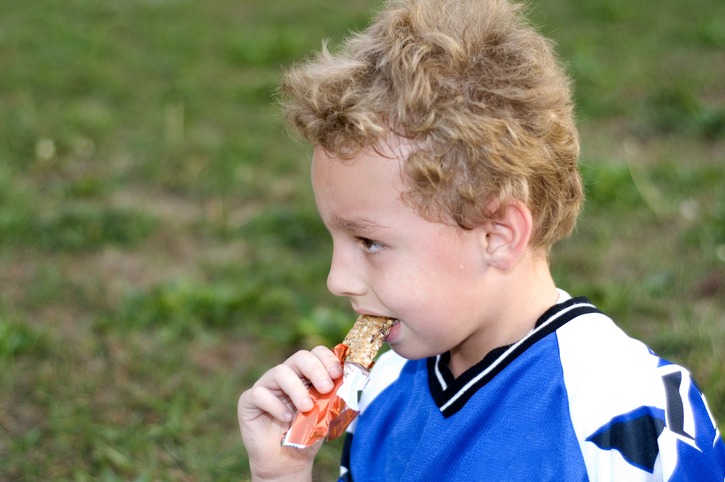
Keep snacks light before exercising. Try a granola bar, fruit, yogurt, or low-fat string cheese 30–60 minutes before a game or practice. Allow at least two hours after a meal before games or practice. Meals should include a variety of food groups with a particular focus on whole grains, high-fiber fruit and veggies, and lean protein. Be sure to keep portion sizes age appropriate, and:
- Space out carbohydrates throughout the day, rather than loading up on large amounts all at one time. This helps maintain stable energy and blood sugar levels.
- Focus on obtaining carbohydrates from real food rather than supplements.
Fueling and Hydration During Sports Training
There is a benefit to consuming carbohydrates during activity, but only if your child is exercising for more than 75 minutes at a time. Sports drinks are the most popular way to consume a quick source of carbohydrates and electrolytes during exercise. Keep in mind that these sports drinks may not be appropriate for everyday use due to calorie and sugar content.
What to Eat After a Work for Recovery
What to eat after a workout is just as important as what your child ate to prepare for performance and endurance. In addition to replenishing fluid and electrolytes lost during exercise, it is also important to replenish carbohydrates and protein. Studies show that low-fat chocolate milk can be a good post-workout “recovery blend” due to the presence of carbohydrates, protein, calcium, and potassium. A good post workout meal or snack can also include:
- Yogurt
- Smoothie with fruit and yogurt/milk
- Fresh fruit and ¼ cup nuts
- ½ sandwich on whole wheat bread
- 1 serving of whole wheat crackers and light cheese
Competition Day Nutrition Tips
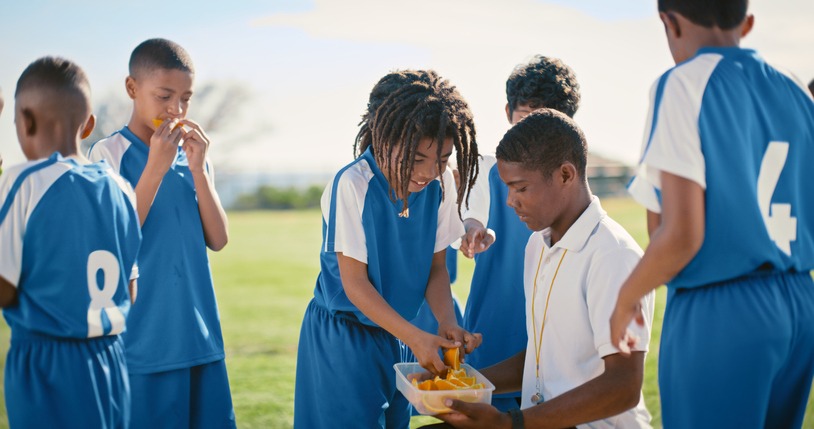
Whether it’s a big game, all-day competition, or an endurance sport (e.g., rowing, cross-country running, competitive swimming), kids and teens may need to eat more to keep up with the demand. These meals should be similar to the types of foods they’ve been eating throughout their training. Here are some additional tips for timing:
- 3-4 hours before the event, load up on carbs (pasta, bread, fruits, vegetables) and lean protein, but keep fat low since it digests slowly and can upset stomachs. Skip sugary foods and drinks.
- Less than 3 hours before, go lighter with easy-to-digest carbs like fruit, crackers, or bread.
- After the game or event, eat within 30 minutes, then again at 2 hours post-game. Focus on lean protein and carbs to rebuild muscle and restore energy. Keep hydrating throughout.
Additional Resources and Where to Go for Care
Learn more about food choices, portion sizes, and dietary guidelines for all the members of your family from the USDA and U. S. Department of Health and Human Services Dietary Guidelines for Americans (2025–2030). If you have a young athlete and you’re looking for guidance on nutrition, or you have concerns about sports that focus on weight, make an appointment to see a pediatric sports medicine specialist.
