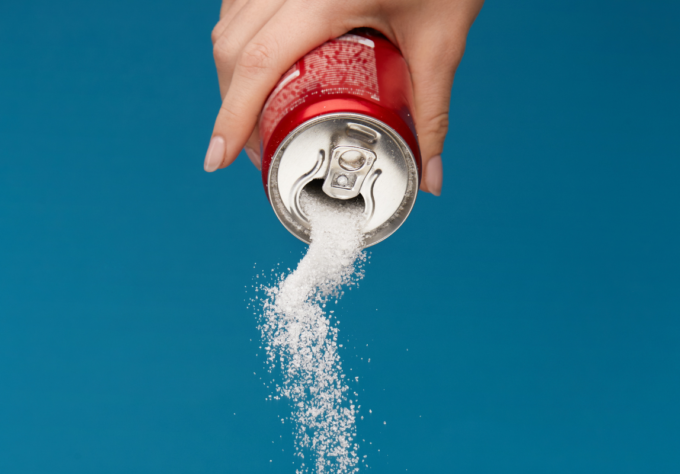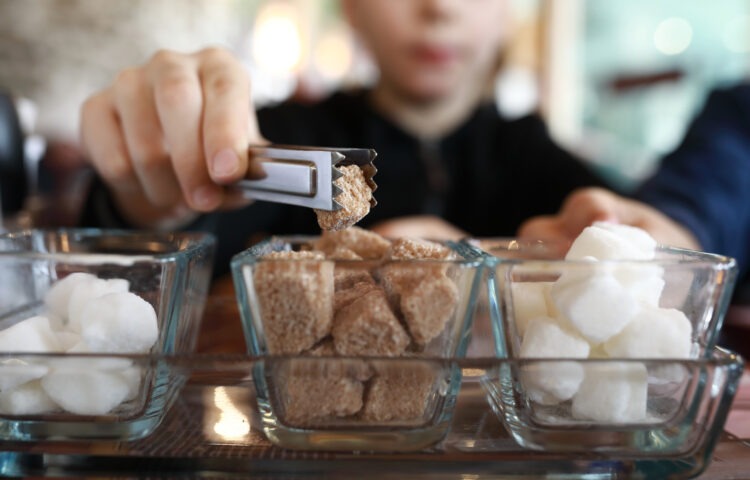
The American Academy of Pediatrics recommends kids ages 2–18 consume about six teaspoons of sugar per day. According to most sources, kids in America are consuming at least three times that amount. Added sugar — the kind that’s put in sweetened drinks, flavored yogurts, and even healthy low-fat packaged foods to make them taste better — is also upping kids’ consumption, and there are more than 60 terms for added sugar approved for use by the Food and Drug Administration (FDA).
One way many consumers try to lower their use of sugar, both regular and added, is to use artificial sweeteners (also called sugar substitutes). Regardless of intent, most Americans consume some form of an artificial sweeter daily. That’s because sugar substitutes are used in a variety of packaged products from pudding and candy to desserts and syrups. Reducing added sugar is a benefit of artificial sweeteners, but parents need the answer to a more pressing question: Are artificial sweeteners safe for my child?
Are artificial sweeteners FDA-approved?
Like all other ingredients added to food in the U.S., the FDA is in charge of artificial sweeteners and they must be deemed generally safe for consumption. The FDA allows these artificial sweeteners to be used in the U.S.:
- Acesulfame potassium (Sunett, Sweet One)
- Advantame
- Aspartame (NutraSweet, Equal, Sugar Twin)
- Luo Han Guo (Nectresse, Monk Fruit in the Raw, PureLo)
- Neotame (Newtame)
- Saccharin (Sweet’N Low, Sweet Twin, Necta Sweet)
- Stevia (Pure Via, Truvia, Enliten)
- Sucralose (Splenda)
The FDA has also established an acceptable daily intake (ADI) that is deemed safe based on a child’s weight and the type of sugar substitute. Note: None of the substitutes has an approved ADI for a child who’s 2 years old or younger.
According to the National Cancer Institute and other agencies, there’s no sound scientific evidence that any artificial sweetener causes cancer and multiple studies have shown these sweeteners do not cause risk of birth defects. However, it should also be noted that there are zero nutritional benefits to sugar substitutes either. In addition, the American Academy of Pediatrics (AAP) says not enough research has been done to fully understand the effects of artificial sweeteners on a child’s health. Read the myths and facts section to learn more about the need to be extra cautious with children and sucralose (Splenda).
Why Added Sugar Is Still the Bigger Concern for Kids
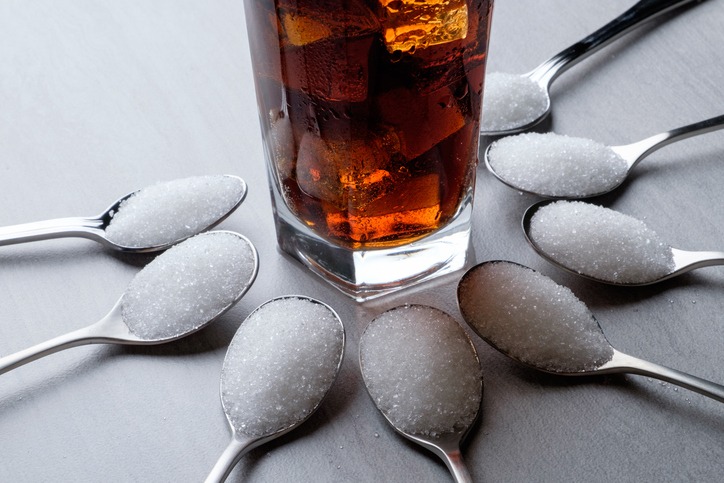
The AAP has confirmed one thing that every agency agrees on: American children consume enough sugar to pose significant health risks. According to the Dietary Guidelines for Americans 2020–2025, sugar-sweetened beverages are the single largest source of added sugar in the U.S. diet. The amount of sugar in sodas, energy drinks, and fruit juices is dangerously high — especially for kids.
Here’s a sobering example: If the daily recommendation is 6 teaspoons and your child drinks a regular 20-ounce soda, they’ve consumed 16 teaspoons of sugar in a single drink — already nearly three times their daily limit. That’s equivalent to dumping 16 sugar packets into your venti black coffee (venti means “twenty” ounces). If you turn that into a sweetened coffee drink with whole milk, whipped cream, and flavored syrups, it contains just as much sugar as the soda, if not more.
What about fruit juice? Even 100% fruit juice contains high amounts of natural sugars — so the AAP recommends strict limits (no more than 4-6 ounces daily for young children). Diluting juice with water or sparkling water is a simple way to reduce sugar intake while still giving kids a flavorful alternative to soda. Learn more about the risks and get more tips at CDC’s Rethink Your Drink.
So, while drinks with sugar substitutes are fine on occasion or as a transitional drink, it’s always best to stick with plain water and low-fat milk to get the most benefits without added sugar.
How Sweeteners Can Shape Kids’ Taste Preferences
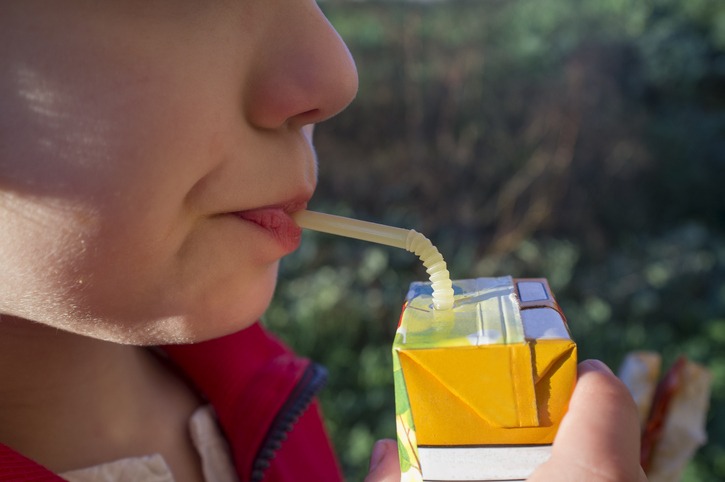
Parents should also be mindful of how sugar substitutes can affect your child’s food and drink choices. That’s because artificial sweeteners can be hundreds — in the case of neotame, thousands — of times sweeter than sugar. This means your child’s tastebuds may get used to excessive sweetness, even if significantly less sugar substitute is used.
According to neuroscientists, toddlers who drink sweetened water strongly prefer sweet beverages as early as age 2. This can make switching to plain water, or foods that are less processed, even more challenging. One expert says that, especially in the case of sugary drinks, it can take up to two months for the new habit to “stick.” But be assured your parental patience will pay off in the form of lifelong healthy taste habits.
Artificial Sweeteners: Myths, Facts, and Safety Questions
Are there any health conditions affected by artificial sweeteners?
Anyone with phenylketonuria (PKU) cannot breakdown the artificial sweetener aspartame.
How can I tell whether artificial sweeteners have likely been added in addition to reading the entire food label?
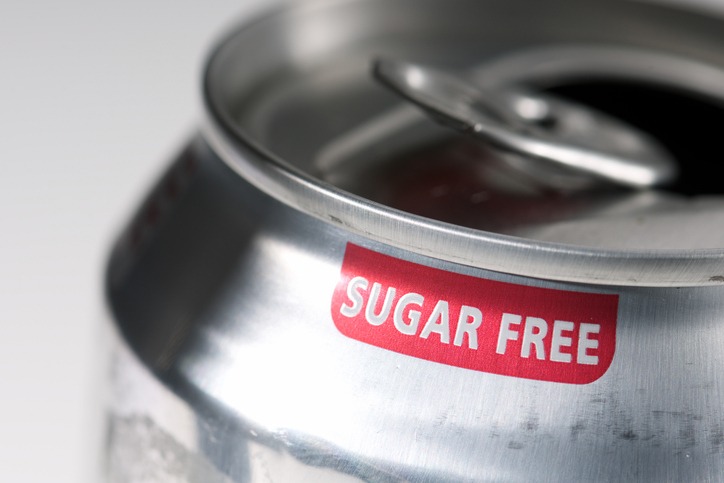
Artificial sweeteners are used in foods and beverages marketed as “sugar-free,” “diet,” or “no added sugar.”
Do sugar substitutes raise your blood sugar?
Artificial sweeteners have fewer or no calories and they do not affect blood sugar levels the same way sugar does and are recommended as safe for people with diabetes.
Is aspartame “possibly carcinogenic to humans”?
Aspartame is one of the most studied food additives in the human food supply and FDA scientists do not have safety concerns when aspartame is used under the approved conditions.
What is sucralose?
Sucralose was first approved for use in 1998 and its brand name is Splenda.
Is sucralose bad for you?
It’s complicated. Sucralose is FDA-approved and considered safe in moderation, but emerging 2025-2026 research raises concerns about potential long-term health effects, especially with high consumption. Because there are many factors involved in ongoing studies, it’s recommended that high-risk groups should consider avoiding it, and this includes children due to their developing systems.
Can my child drink a small amount of soda on a daily basis?
A recommendation based on a study with the AAP and the American Heart Association said children should not drink more than one 8-ounce sugar-sweetened beverage per week.
What is the best sugar substitute?
Monk fruit is the most universally recommended by experts because in addition to zero calories it has antioxidants.
Are sugar alcohols different than artificial sweeteners?
No, sugar alcohols are a type of sugar substitute and they are regulated by the FDA under GRAS status with specific labeling requirements.
Are natural sweeteners like honey, agave, and coconut sugars better?
Don’t be fooled by the “natural” label, your body processes them the same as white sugar.

Pediatric Nutrition and Weight Management
As a parent, it’s likely best to look at the big picture — and the food labels — of what your child is eating and drinking throughout the day. Moderation is key. Offering a balanced diet that includes a variety of foods from each food group with minimal added sugar use is ideal for your child’s growth. If you need help with pediatric nutrition, weight management, or sports nutrition, talk to your child’s pediatrician or ask about specialty programs. Get nutrition and fitness answers for kids of all ages from the experts at Nemours® KidsHealth.