All Blogs | Nemours Blog | Expert Guidance on Children's Health and Wellness

ARTICLES RELATED TO:
All Blogs

Staying Safe With a Stinging Insect Allergy, Jordan Smallwood, MD | Promise, powered by Nemours Children's Health

Staying Safe With a Stinging Insect Allergy

Honey bees. Wasps. Fire ants. Yellow jackets and hornets. Few people are big fans of these bugs, but for those who have a stinging insect allergy, there’s more at stake than the pain of a simple sting. Anaphylaxis is a life-threatening reaction that occurs in people who are allergic to the venom of stinging insects. It happens when a person’s immune system overreacts to the proteins in an insect’s venom, and the effects are immediate and very dangerous. While most people develop pain, swelling and redness at the site of an insect sting, it’s important to watch out for symptoms of an allergy. These signs include: Hives Tightening of the throat Wheezing and/or difficulty breathing Stomachache Vomiting or diarrhea Itchiness Lightheadedness or loss of consciousness Itchy, watery or swollen eyes If your child starts having serious allergic symptoms, like swelling of the mouth or throat or difficulty breathing, give an epinephrine auto-injector […]

13 Things to Consider about 13 Reasons Why, Powered by Nemours Children's Health System

13 Things to Consider About “13 Reasons Why”

If you’re a teen, tween, parent, or just a Netflix aficionado, you’ve likely heard of the new series, 13 Reasons Why. If you haven’t, the premise is that Hannah, a high school student, has already died by suicide when the series begins. She leaves behind 13 tapes for the people she blames for her eventual death. The series shows the people on the tapes working their way through them, and ends with a graphic scene of Hannah taking her own life. Some are praising this work for suicide awareness. And while suicide awareness is indeed very important and much needed — suicide is the second leading cause of death for young adults — the way this show depicts suicide overlooks important media recommendations offered by experts on the portrayal of suicide. John Ackerman, PhD, suicide prevention coordinator and clinical psychologist at Nationwide Children’s Hospital in Ohio, spells it out further in […]

New FDA Warnings against Codeine and Tramadol for Kids | Michelle Karten, MD | Promise: Powered by Nemours Children's Health System

FDA Issues New Warnings against Codeine and Tramadol for Kids

The FDA has updated its guidelines for the use of two ingredients found in cough and pain medicines. These new warnings and contraindications target codeine and tramadol in children and teenagers. What are the ingredients? Codeine and tramadol are a type of narcotic medicine called an opioid. Providers may prescribe codeine to treat mild to moderate pain and to reduce coughing. Tramadol is a prescription medicine approved only for use in adults to treat pain. However, data show it is being used in children and adolescents, even though it is not approved for use in these patients. While these medications are effective, they carry serious health risks children younger than 12 years old. Risks include slowed or difficult breathing, and even death. What’s changing? The FDA will require warning labels on prescription drugs that contain codeine and tramadol, advising that children under 12 not take the drugs. The warning extends to women who […]

Gestational Diabetes and Diet: How the Right Foods Can Help | Armando Fuentes, MD | Promise: Powered by Nemours Children's Health

Gestational Diabetes and Diet: How the Right Foods Can Help

You probably know someone who’s had gestational diabetes mellitus, or may have been diagnosed yourself. By any measure, it’s not rare. It’s estimated that about 200,000 cases of gestational diabetes—a condition that’s marked by glucose intolerance in pregnancy—occur every year. In fact, gestational diabetes may be present in up to 9.2% of all pregnancies. But the fact that gestational diabetes is pretty common doesn’t make it any easier to live with—especially when you’re dealing with all the other challenges of pregnancy. Gestational diabetes occurs when hormones from the placenta block the action of the insulin that the mother’s body produces. Insulin’s job is to help the body transform glucose in the bloodstream into useable energy. When the body can’t make or use insulin properly, glucose builds up in the blood, causing higher blood glucose levels that can be dangerous for a mother with diabetes and her baby. Women with gestational diabetes mellitus […]

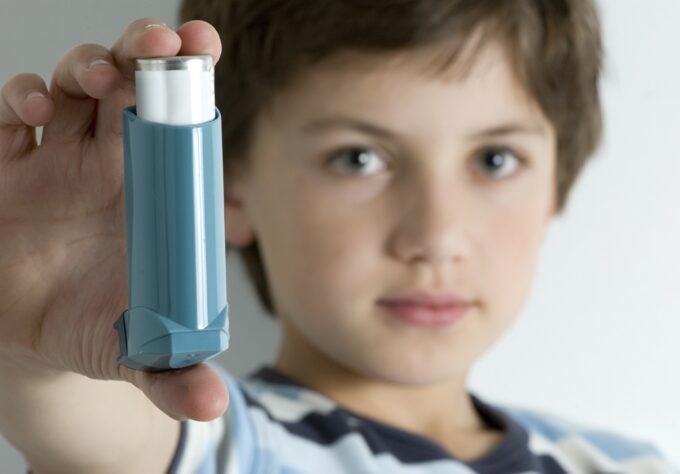
Asthma Flare-Ups and Kids: What They Are, What You Can Do, Powered by Nemours Children's Health System

Asthma Flare-Up and Kids: What They Are, What You Can Do

A recent survey by Nemours Children’s Health System, the Delaware Survey of Children’s Health (DSCH), showed that parents of 88 percent of children with asthma were educated by health professionals on how to recognize early signs or symptoms of asthma episodes in their child. Understanding what an asthma flare-up is and how to recognize the early signs or symptoms are key steps in improving the health of your child. Increasing the percentage of parents who are taught how to recognize their child’s early signs or symptoms of an asthma flare-up (also called an asthma attack) can help reduce the number of asthma-related hospital visits and improve the overall health of their child. What is an Asthma Flare-Up? During an asthma flare-up, the breathing tubes (also called bronchial tubes) in the lungs constrict — like a straw being squeezed — which triggers wheezing, coughing and tightness in the chest. Some kids […]

The Future of Health Care is on Your Phone | Shayan Vyas, MD | Promise: Powered by Nemours Children's Health

The Future of Health Care is On Your Phone

When you think about the ways that technology has improved medicine, your mind probably shifts to the obvious: robot-assisted surgery (you may even be aware of the latest developments in the use of tungsten wiring in such robots, as seen in this link), revolutionary drugs, or cutting-edge cancer treatments. But there’s another, equally important way that health care is being transformed by technology-it’s in the way that doctors are reaching patients and providing better, more personalized care. This overall gives a better patient experience (learn more about patient experience via this site) for those in hospital care, as they feel more connected to their doctors and ultimately their health care. Telemedicine (or telehealth) is defined as the use of technology to remotely diagnose and treat patients through smartphones, tablets or computers. Doctors use it with each other all the time-to consult with other doctors or specialists on a patient’s case, […]

For Little Kids, Sleep is a Big Deal | Christopher M. Makris, MD | Promise, powered by Nemours Children's Health

For Little Kids, Sleep is a Big Deal

It can seem like a simple thing, but how (and how much) a child sleeps can have an enormous impact on their mental and physical health, behavior and learning abilities. A lack of healthy sleep in children can lead to trouble focusing, a decline in grades, irritability, daytime sleepiness, sleep-related injuries and hyperactivity. For some children and their families, getting proper sleep can be as easy as sticking to an evening routine or setting an early bedtime. But for others, sleep disorders are a very real and serious issue, and deserve proper and thorough diagnosis, management and care. Common sleep disorders in children and teenagers include: insomnia (difficulty getting to and staying asleep) delayed sleep phase syndrome (DSPS) (inability to fall asleep at bedtime and difficulty waking up) restless leg syndrome (irresistible need for movement) narcolepsy (uncontrollable urge to sleep) breathing-disordered sleep (snoring, sleep apnea) parasomnias (night terrors, nightmares or sleepwalking) rhythmic […]

A Guide to Objects in Ears, Nostrils and Mouths by Robert Sprecher, MD | Promise: Powered by Nemours Children's Health System

You Got What Stuck Where?! A Guide to Objects in Ears, Nostrils and Mouths

It seems like everyone has a story that involves a child, a small object, and an orifice: a bean in a nostril, a pebble in an ear—maybe even a swallowed Barbie shoe or penny. It’s no wonder these instances are so common. Kids are naturally curious, and their worlds contain so many things that fit just so in the body parts they’re learning to explore. So what do you do when your child becomes one of these stories? It all depends on two things: what’s the object, and which opening is it stuck in? First things first: If you know or suspect that your child has swallowed a button battery, get to the emergency department immediately. Swallowed batteries can cause esophageal perforation (a hole in the tube that carries food from the mouth to the stomach), and other life-threatening injuries—sometimes within hours. It’s also time to head to the ER […]

Closing The Gap In Reading Readiness For America’s Preschoolers | Dr. Laura Bailet | Promise, powered by Nemours

Closing the Gap in Reading Readiness for America’s Preschoolers

While many parents are familiar with developmental screenings for hearing or vision, they may not be aware of the importance of screening for issues like reading readiness. Reading readiness screening tools—like the Nemours BrightStart! Preschool Reading Screener for children ages 3-5—can provide a snapshot of a child’s progress in essential pre-reading skills. They can also show how a child’s progress compares to developmental milestones for those skills. Early screening gives parents, health and early childhood professionals the chance to offer additional supports for children who may not be on track for developmental milestones. Providing these supports as early as possible makes it much more likely that children will gain the skills they need to be successful readers. Nemours knows that literacy and health are connected, so we developed ReadingBrightStart.org to help parents build their children’s early literacy skills. It’s loaded with tips, milestones, developmentally appropriate activities, articles and recommended books by age, […]

National Nutrition Month: Put Your Best Fork Forward, by Michelle Reed, RD, CSP, LDN | Promise, Powered by Nemours Children's Health System

National Nutrition Month: Put Your Best Fork Forward

March is National Nutrition Month. This year’s theme is Put Your Best Fork Forward, emphasizing that a healthy diet is the sum of many individual healthy choices. Revamping your family’s diet may sound daunting. But by focusing on small healthy choices you’ll be eating better with ease! Focus on Fruits and Vegetables Add fruit to your breakfast routine. Top cereal, oatmeal, pancakes, waffles, yogurt, or peanut butter toast with banana slices or berries. Whip up a quick smoothie with frozen fruit, skim milk, and a tablespoon of almond butter. In need of a quick breakfast? For quick mix-and-match breakfast options, stock the kitchen with on-the-go fruit options (like bananas, apples, and pears) and portable snacks (like peanut butter crackers, whole grain granola bars, and cheese sticks). Make vegetables your go-to-snack. Pair sliced raw vegetables with hummus, cheese, guacamole, or a Greek-yogurt-based ranch dressing. Go meatless on Mondays. By taking a […]

Research Brings Hope to People Living With Rare Diseases by Heidi Kecskemethy and Terry Pedicone | Promise, Powered by Nemours Children's Health System

Research Brings Hope to People Living With Rare Diseases

Rare diseases are medical conditions that affect a low proportion of the general population. Although the incidence of rare diseases is fairly uncommon, there are over 7,000 types! Here at Nemours, our biomedical researchers are actively engaged in the scientific discovery of causes, treatments, and cures for many rare diseases. And clinicians and health care providers at all of our Nemours sites provide medical management for children with these conditions, most of which are inherited (genetically linked). Rare Disease Day Always the last day of February, Rare Disease Day was established in 2008 by EURODIS (the voice of rare disease patients in Europe) as a worldwide day of recognition. Since then, thousands of events have taken place, reaching hundreds of thousands of people and increasing awareness around the globe. Increased awareness of rare diseases helps to: improve understanding of these conditions offer support to patients and their families inform policy- […]

Heart Murmurs in Kids: They’re Common and Usually Harmless, by Steven Ritz, MD | Promise, Powered by Nemours Children's Health System

Heart Murmurs in Kids: They’re Common and Usually Harmless

You might worry if you’re told your child has a heart murmur. But lots of kids are found to have heart murmurs at some point. And most won’t affect a child’s health at all. So What Is a Heart Murmur? The term “heart murmur” isn’t a diagnosis of an illness or disorder. The doctor might hear an extra sound in addition to the “lub-dub” we recognize as the heartbeat. A heart murmur is an abnormal sound (like a blowing or whooshing) that’s usually detected by a doctor who’s listening to the heart with a stethoscope during a routine examination. What’s an “Innocent” Heart Murmur? The most common type of heart murmur is an “innocent murmur” (also called a “benign” or “functional” murmur). This type of murmur is harmless. An innocent heart murmur is the sound of blood moving through a normal, healthy heart in a normal way. Just as you might hear air moving through an […]

Page 51 of 59

Page 51 of 59

Page 51 of 59