1-3 years: Toddler | Nemours Blog | Pediatric News and Guidance From Our Experts

ARTICLES RELATED TO:
1-3 years: Toddler

Button Batteries

Button Batteries: Small in Size, Big in Dangers to Children

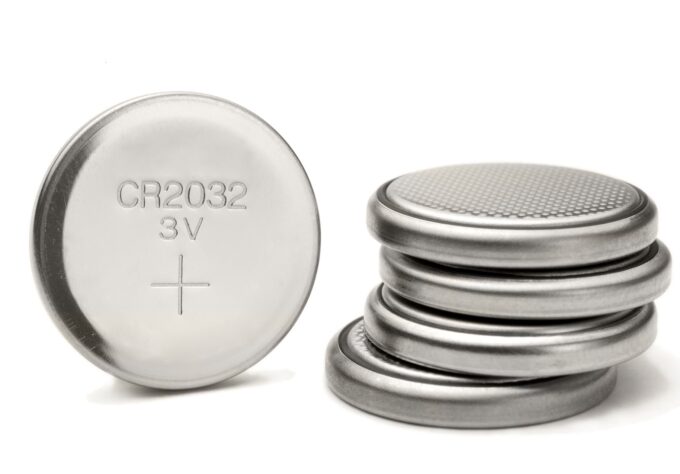
The child ingestion rate of button batteries is on the rise. More than 3,500 incidents of button battery ingestion are reported to U.S. poison control centers each year. The most serious injuries are usually associated with 20 mm diameter batteries, about the size of a nickel. They are dangerous to toddlers and kids because they are easy to swallow or be inserted into their nose or ears. Serious injuries and even death can result if the button battery is not removed in time. What Are Button Batteries? Button batteries are small, round, and shiny batteries that are found in numerous household items like: Hearing aids Remotes controls Toys Holiday decorations Watches Flameless candles Bathroom scales What Can Happen If Ingested? If swallowed, chemicals in the batteries can cause serious burns when swallowed or get stuck in the body. According to HealthyChildren.org, when the battery makes contact with bodily fluids, it generates […]
A Lifetime of Better Health Begins with Good Oral Health, Powered by Nemours Children's Health System

A Lifetime of Better Health Begins with Good Oral Health

When your child has good oral health, it sets them up for good health overall, and helps them with their wellness as they grow into adults. Gum disease is linked to many illnesses like heart disease, diabetes, respiratory disease, osteoporosis, and rheumatoid arthritis. Our mouths are an entryway for infection, and inflammation can let bacteria enter the bloodstream. Oral health affects your child’s speech, how they eat, and their ability to smile and show emotions. It also influences a kid’s self-esteem, academics and school attendance. Starting them off with healthy habits to care for their mouths is essential in preventing oral and other chronic illnesses in the future.  Protect Tiny Teeth As Soon As Possible Your baby’s teeth are hiding just beneath their gums as soon as they are born. Every baby is different, but usually the first teeth to appear are in the top and bottom front of their […]

Car Seat Safety, Powered by Nemours Children's Health System

Car Seat Safety

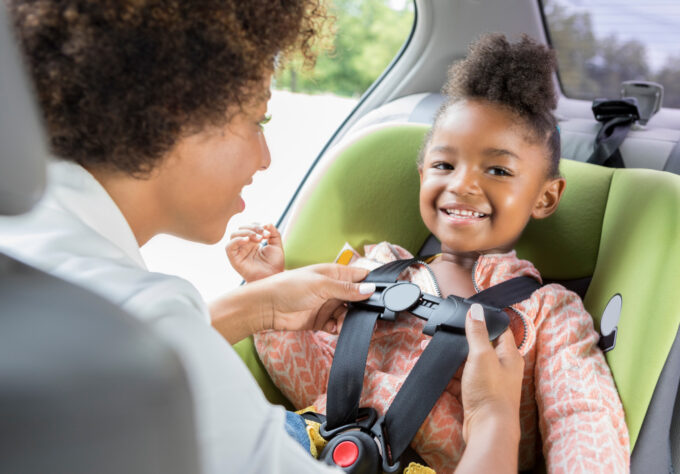
As a parent, you want the very best for your children. One of the most important things you can do is make sure your kids are as safe and secure as possible while riding in your car. Keep Your Kids Buckled Up Every Time Parents and caregivers can keep children safer every time they ride in the car by doing the following: Know the proper way to use car seats, booster seats and seat belts. Use appropriate seats and seat belts with your children on every trip in the car, no matter how short. Set a good example by always using a seat belt yourself. A Car Seat Safety Guide There are many car seat and booster options available to parents and caregivers to use in protecting children while driving. Use this guide to help determine the best way to keep children safe in the car. Rear Facing Car Seat […]

Autism Rates: Understanding the Rise, powered by Nemours Children's Health System

Autism Rates: Understanding the Rise

Autism diagnoses are on the rise, the Centers for Disease Control and Prevention (CDC) says in a new report. Autism rates have gone up since 2016, and 1 in 59 U.S. kids have some form of autism (also called “autism spectrum disorder” or “ASD”). Many parents are asking why — and wondering if they should worry. What Does the Rise in Autism Rates Mean? Experts say that the higher autism rates do not mean more and more kids are developing autism. Rather, ways to recognize, diagnose, and treat autism spectrum disorders have greatly improved. Ideally, doctors should look for signs of autism in babies and toddlers at every routine well visit, and perform an autism screening at the 18- and 24-month checkups. However, this may be challenging to accomplish in a busy practice. The CDC also reports that some groups were previously underdiagnosed. Black and Hispanic populations, for instance, have often […]

Behind Their Bite: When is “Picky Eating” Something More?, Powered by Nemours Children's Health System

Behind Their Bite: When is Picky Eating Something More?

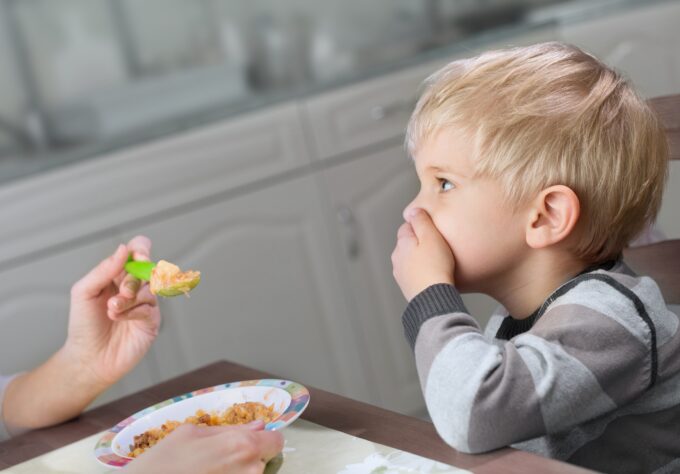
Everyone knows one, has one or was one – a picky eater. The logic behind why a child does or does not eat something is difficult to understand. Sometimes picky eating is as simple as a food being too bitter or too bland. Other times, it can be more complex. I like to remind parents that it can take anywhere from 10-15 tries before a taste becomes likable or even familiar. Coffee is a great example. The first time you tried it, I bet it wasn’t your favorite food. But over time — and early wake ups, dance recitals, baseball practice, carpool, swim lessons and potty training — it probably holds a pretty significant place in your heart (and your sanity). Introducing new foods to picky eaters Introduce a new food with old foods and favorite foods (example: mac and cheese with broccoli) Consider “taste-ability.” Crunchy, sweet, good-looking foods will […]

For Little Kids, Sleep is a Big Deal | Christopher M. Makris, MD | Promise, powered by Nemours Children's Health

For Little Kids, Sleep is a Big Deal

It can seem like a simple thing, but how (and how much) a child sleeps can have an enormous impact on their mental and physical health, behavior and learning abilities. A lack of healthy sleep in children can lead to trouble focusing, a decline in grades, irritability, daytime sleepiness, sleep-related injuries and hyperactivity. For some children and their families, getting proper sleep can be as easy as sticking to an evening routine or setting an early bedtime. But for others, sleep disorders are a very real and serious issue, and deserve proper and thorough diagnosis, management and care. Common sleep disorders in children and teenagers include: insomnia (difficulty getting to and staying asleep) delayed sleep phase syndrome (DSPS) (inability to fall asleep at bedtime and difficulty waking up) restless leg syndrome (irresistible need for movement) narcolepsy (uncontrollable urge to sleep) breathing-disordered sleep (snoring, sleep apnea) parasomnias (night terrors, nightmares or sleepwalking) rhythmic […]

Early Attachment: Yes, Parents Can Make a Difference, by Meghan Walls, PsyD, Powered by Nemours Children's Health System

Early Attachment: Yes, Parents Can Make a Difference

How likely will the quality and impression of early relationships influence us throughout our lives? A recent article in The New York Times, “Yes, It’s Your Parents’ Fault,” addressed this concept called “attachment theory” and said it matters a lot. Once you get past the slightly negative title and some psychological jargon, the opinion piece is laden with good information. Why Is Parenting So Important? Instead of blaming parents, let’s take a small step back: Parents can contribute so much value to their children’s lives, especially in the early years. Experts agree that the early years (especially months 0-36) are a critical time for development of relationships, language, and emotional understanding. Simple behaviors such as talking to your baby more, no matter what words are spoken, are impactful. We should teach parents that this period is important and offer support. We might think this comes naturally to parents, but it doesn’t […]

Page 1 of 1

Page 1 of 1

Page 1 of 1